A multimodal AI agent takes in more than one kind of input, including text, images, audio, video and structured records, reasons across them together, and then acts through connected tools instead of only replying. A text-only agent reads the transcript of your operation. A multimodal agent reads the artifacts: the scanned invoice, the photograph of the damage, the screen in front of it.
Companies run these systems on mixed-format document intake, visual inspection against a written standard, software that offers no usable API, imaging workflows in healthcare and engineering, and live voice assistance. The pattern that repeats across all of them is narrow scope with a person signing off on anything that carries consequence.
The honest state of the technology in 2026 is split. On short, bounded tasks inside one or two applications, these systems are close to reliable. On long workflows that run for an hour or more and cross several applications, the strongest configuration tested on the leading benchmark finished about a fifth of the work under strict scoring. Scope your first build to the first category.
Why the Term "Multimodal AI Agents" Keeps Coming Up
Vendor decks that said AI agent a year ago, now say multimodal AI agent. Some of that is fashion, but most of it is not. Gartner expects 80% of enterprise software and applications to carry multimodal capability by 2030, up from under 10% in 2024, which puts this closer to a change in what enterprise software is than to a passing label.
The second reason is worse for anyone holding a budget. Three words have collapsed into each other in sales conversations, and they describe three different amounts of work. Multimodal means the system handles more than one type of input or output. Multi-model means it routes work across more than one underlying model. Multi-agent means more than one agent takes part. A COO approving a multimodal upgrade might be approving a new input pipeline, a routing layer with its own evaluation and cost controls, or a second system with handoffs and a harder debugging story.
What is a Multimodal AI Agent?
A multimodal AI agent is a system that can understand and reason across more than one type of input, such as text, images, audio, video or documents. Then it takes actions through tools, APIs or software interfaces to complete a task.
The important distinction is that multimodality describes what the system can perceive, while the word agent describes what it can do with that information.
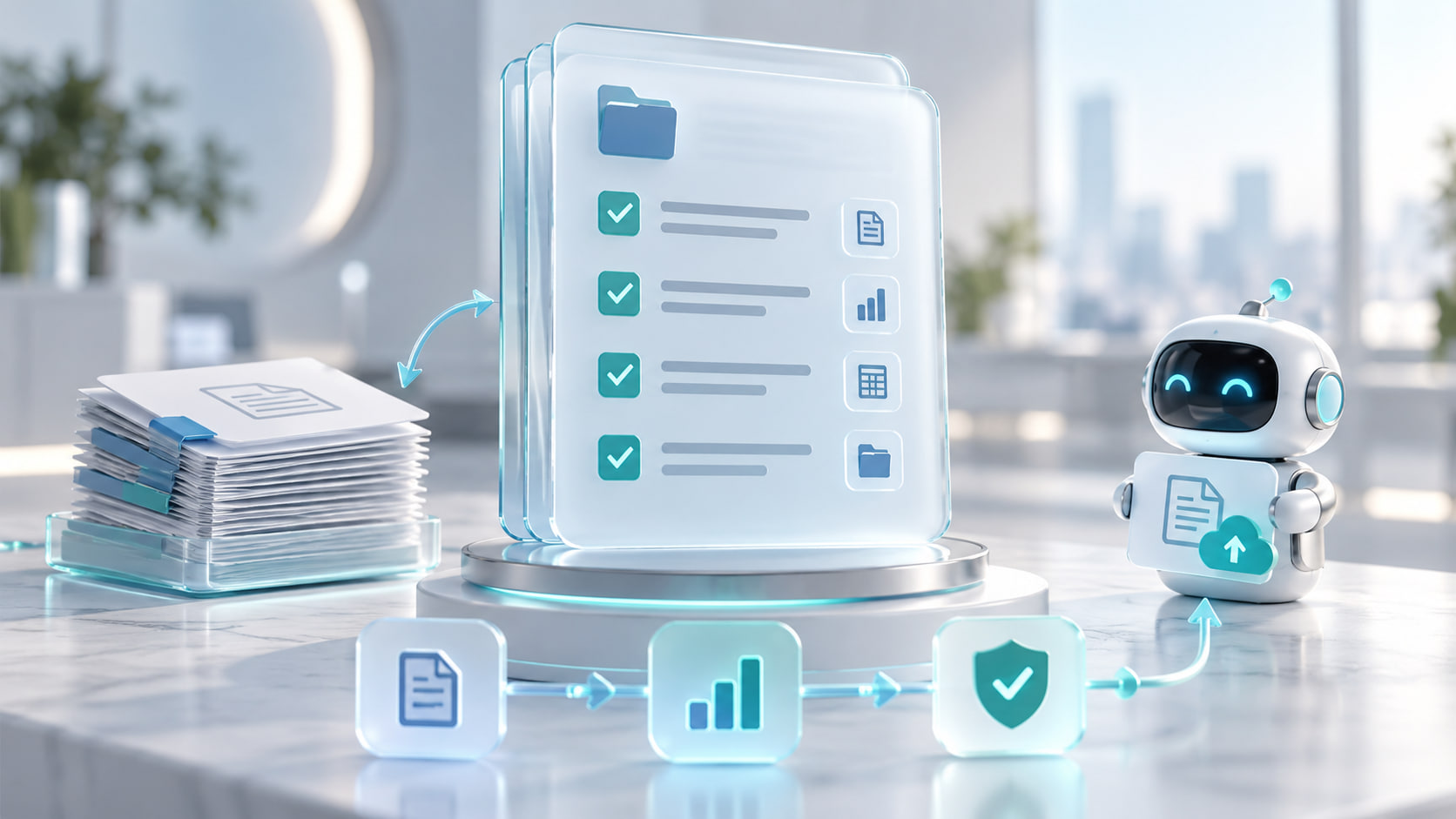
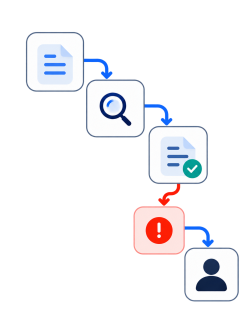
For example, a multimodal AI agent might read an invoice, inspect an attached image, compare both against records in an ERP, identify a discrepancy and open an exception for review. It is using information from multiple input types as part of an operational workflow.
That separates a multimodal agent from a multimodal model. A multimodal model can interpret several types of content but may stop after producing an answer. An agent adds the ability to decide what happens next and act through connected systems.
It also helps to separate three terms that are often used interchangeably:
A production system can be multimodal without being multi-agent, multi-agent without being multimodal, or combine all three. They are not competing architecture choices. They describe different sources of complexity, and each one adds its own engineering and operational cost.
Why Multimodal Agents Are Spreading Now
Multimodal agents are spreading now because AI systems can increasingly process text, images, audio and other inputs together instead of relying on a chain of separate specialist tools. That makes workflows involving documents, screenshots, photographs and voice much easier to automate reliably.
The enterprise demand itself is not new. Work has always arrived in mixed formats. Invoices come in as scans, evidence comes in as photographs, approvals happen inside software interfaces, and contracts contain text, tables and signatures. Text-only systems could work with the written record of that process, but anything visual or audio usually had to be converted first or left for a person to inspect.
Native multimodal models reduce those seams. Instead of receiving a stripped-down text representation, the model can inspect more of the original artifact directly and reason across the information it contains.
So the rise of multimodal agents is mainly about the underlying AI becoming capable of handling the mixed-format work enterprises already had without requiring as many brittle conversion steps in between.
How Companies Use Multimodal AI Agents Today
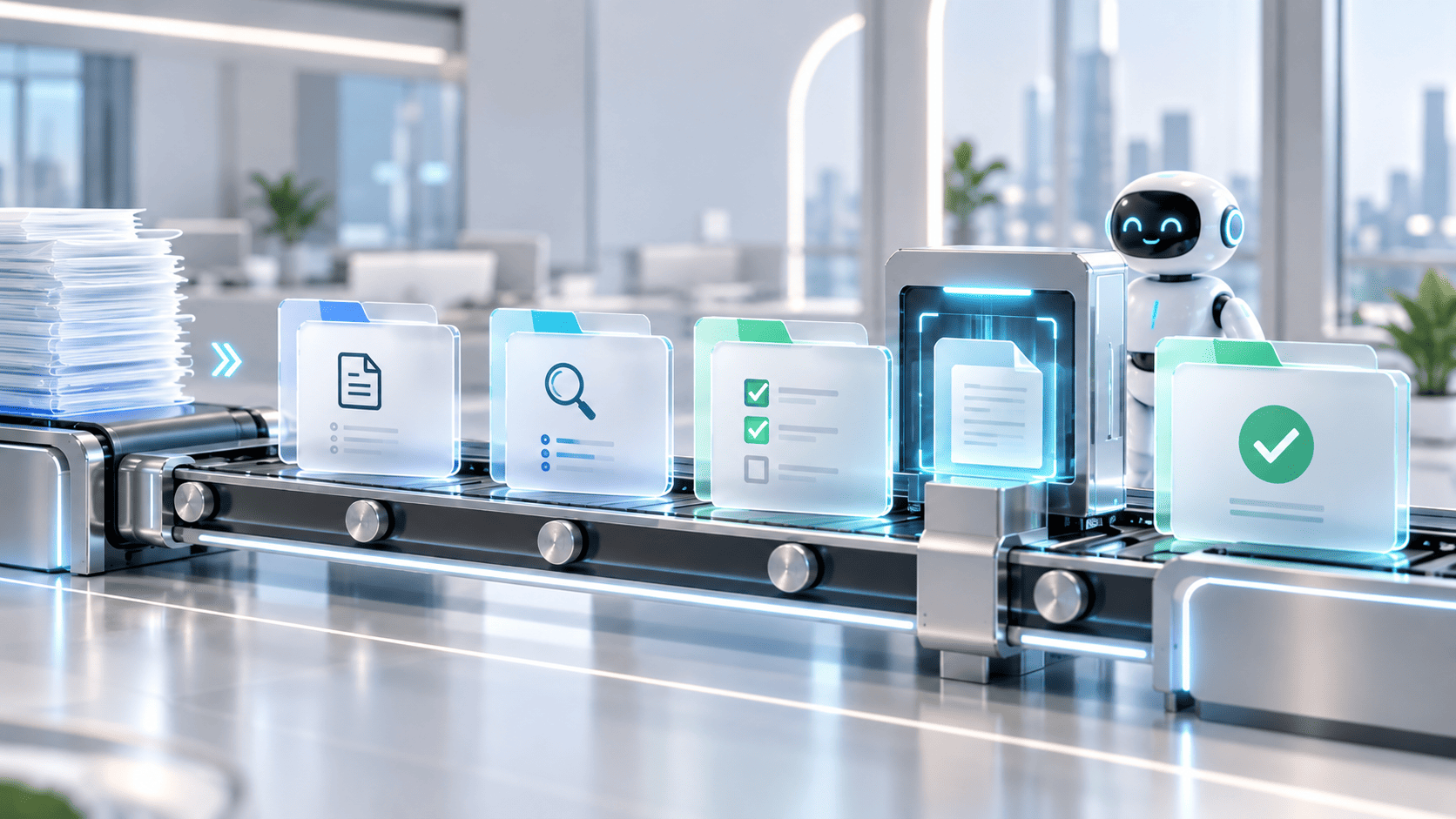
Mixed-format document intake. Inbound work arrives as scans, photographs, handwritten forms and PDFs inside one email thread. The agent reads the message and attachments together, extracts the relevant fields and populates the downstream system before anyone opens the file.
Visual inspection against a written standard. A photograph gets evaluated against a policy, specification or safety rule, with the image and the written standard available to the same model. Property assessment, manufacturing quality checks and site inspections sit here.
Operating software that has no usable API. Some systems expose no practical integration surface. An agent working from screen state can become the integration layer, although this introduces reliability constraints around committed actions.
Imaging workflows in healthcare and engineering. Images are interpreted alongside the record that accompanies them, with the output used to route work rather than replace professional judgement. In RadFlow AI, which we built at Codebridge, CT imaging is evaluated alongside patient information so higher-priority cases reach a radiologist sooner. The system does not diagnose; the radiologist does.
Live voice and visual assistance. The agent responds to what it hears and sees in real time, supporting training, customer service and guided field work while escalating higher-risk decisions to a person.
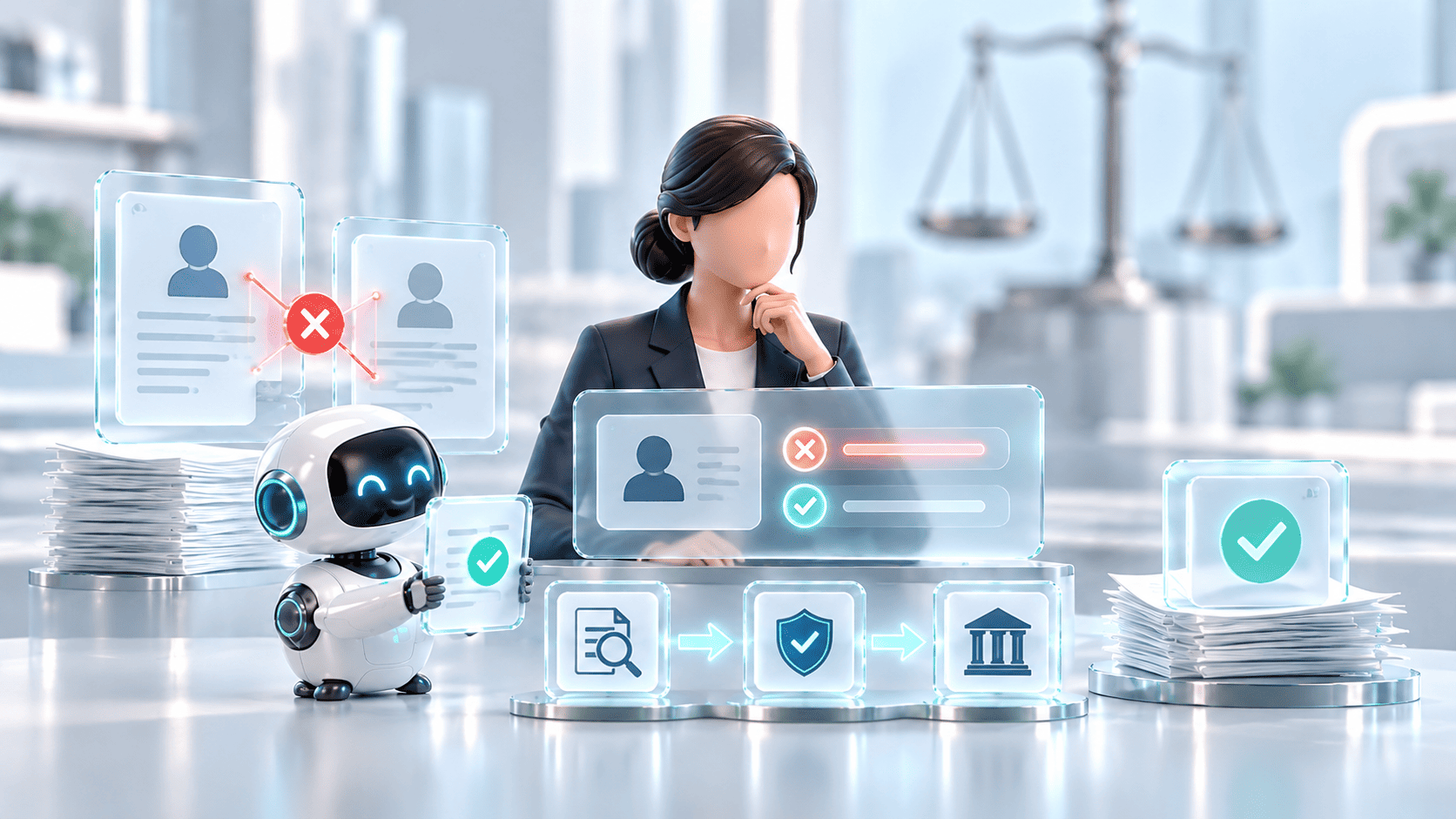
The third column matters as much as the first two. These systems work in production because the boundary between what the agent can do and what still requires human authority is defined before deployment.
What Multimodal AI Agents Complete, and Where They Stall
Multimodal agents are strongest on short, bounded workflows where the inputs, applications and success criteria are clear. However, they can become less reliable as a task stretches across time and changing information.
The difference shows up in OSWorld. On the original benchmark, where tasks typically take a person only a few minutes, leading computer-use agents score around 80%. OSWorld 2.0 tests something closer to real professional work: 108 workflows with a median human completion time of about 1.6 hours. The best configuration tested, Claude Opus 4.8 with maximum reasoning and batched tool calls, completed only 20.6% end to end.
Task length is one of the clearest predictors of failure. On workflows under 45 minutes, the strongest systems completed roughly 20–24%. By the 137–163 minute range, none exceeded 10%, and beyond 163 minutes every model included in the analysis fell to zero.
The problem is not simply clicking the wrong button. Agents lose constraints established earlier in the task, fail to reconcile information across sources, miss updates that arrive while they are working, guess when they should ask for clarification and skip verification before submitting.
That changes how these systems should be scoped. A 20-minute document workflow with defined inputs and a human verification step is very different from asking an agent to autonomously manage a 90-minute process across email, spreadsheets and an ERP. The second may eventually be possible, but today it needs checkpoints, persistent state and human authority designed into the workflow rather than added after deployment.
The Security Problem That Comes With the Second Channel
Adding a visual channel to an agent adds an instruction channel. Instructions hidden inside an image, an audio file or a video get past filters that only inspect text, and OWASP names this directly in its 2026 guidance, where prompt injection still ranks as the top risk for applications built on large language models.
The reason is structural. Safety training matured on text, so the visual and audio paths carry weaker defaults than the typed one.
For anyone running a deployment, the practical consequence is short. Treat every artifact your agent reads as untrusted input. A design that trusts an uploaded photograph the way it trusts a typed instruction has a hole in it, and the hole was opened by the upgrade you just paid for.
How we build multimodal agents at Codebridge
We start by narrowing the workflow before we design the agent. The goal is not maximum autonomy. It is to define a bounded process the system can complete reliably, identify where context can be lost, and decide which outputs still require human approval.
For higher-consequence actions, verification stays inside the architecture. The agent can extract, compare, classify, route or prepare an action, but the authority to commit that action remains with a person where the risk justifies it. We also build so the client owns the code and is not locked into Codebridge or a single model provider.
That approach comes from experience with complex operational systems rather than AI demos. Codebridge was founded by former KPMG engineers, has a team of 70+ specialists, and has delivered more than 700 projects.
If you are considering a multimodal agent, book a 30-minute call. We can assess whether the workflow is bounded enough for a fixed-fee discovery and identify where human verification should stay in the design.











Heading 1
Heading 2
Heading 3
Heading 4
Heading 5
Heading 6
Lorem ipsum dolor sit amet, consectetur adipiscing elit, sed do eiusmod tempor incididunt ut labore et dolore magna aliqua. Ut enim ad minim veniam, quis nostrud exercitation ullamco laboris nisi ut aliquip ex ea commodo consequat. Duis aute irure dolor in reprehenderit in voluptate velit esse cillum dolore eu fugiat nulla pariatur.
Block quote
Ordered list
- Item 1
- Item 2
- Item 3
Unordered list
- Item A
- Item B
- Item C
Bold text
Emphasis
Superscript
Subscript