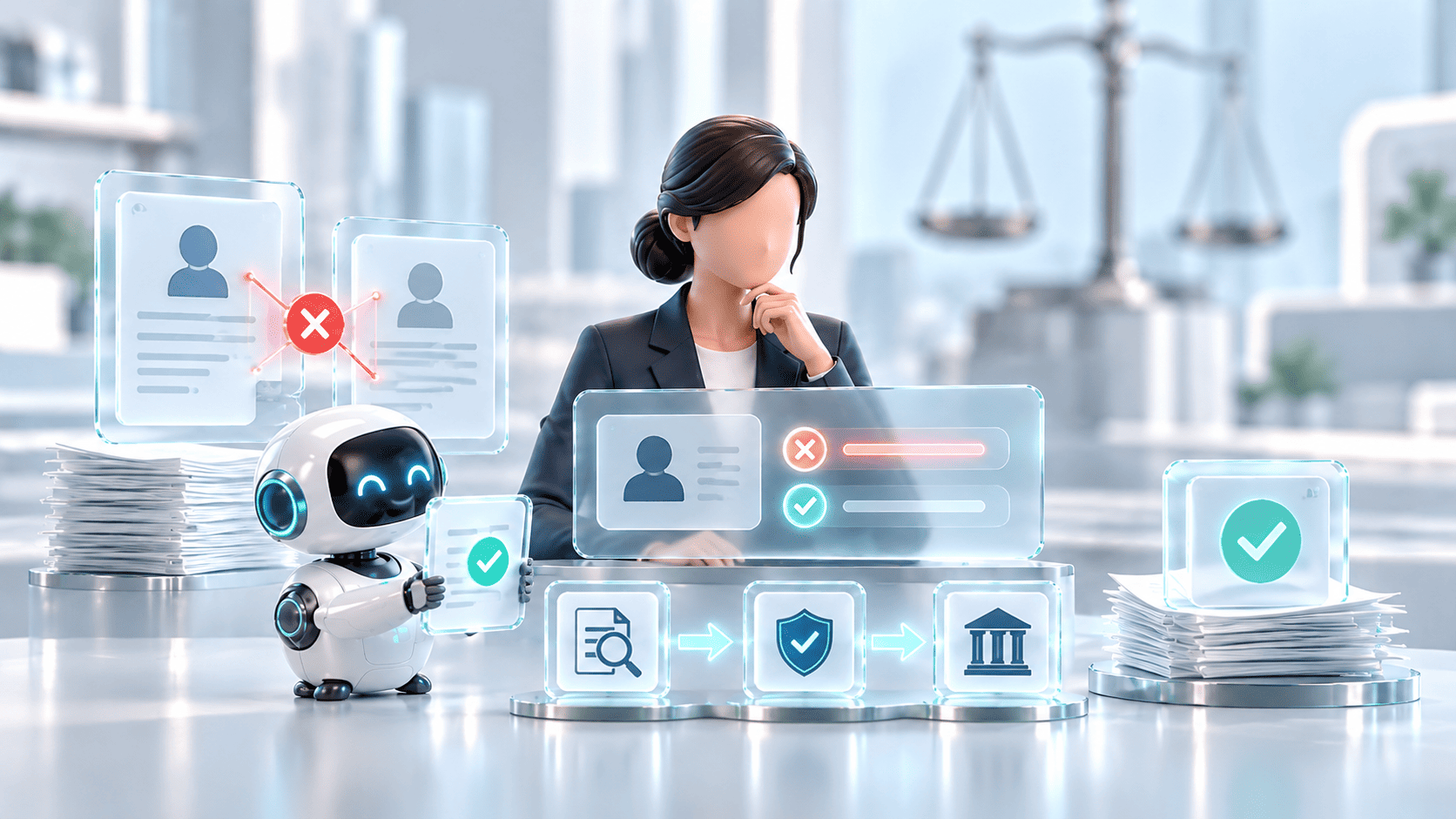
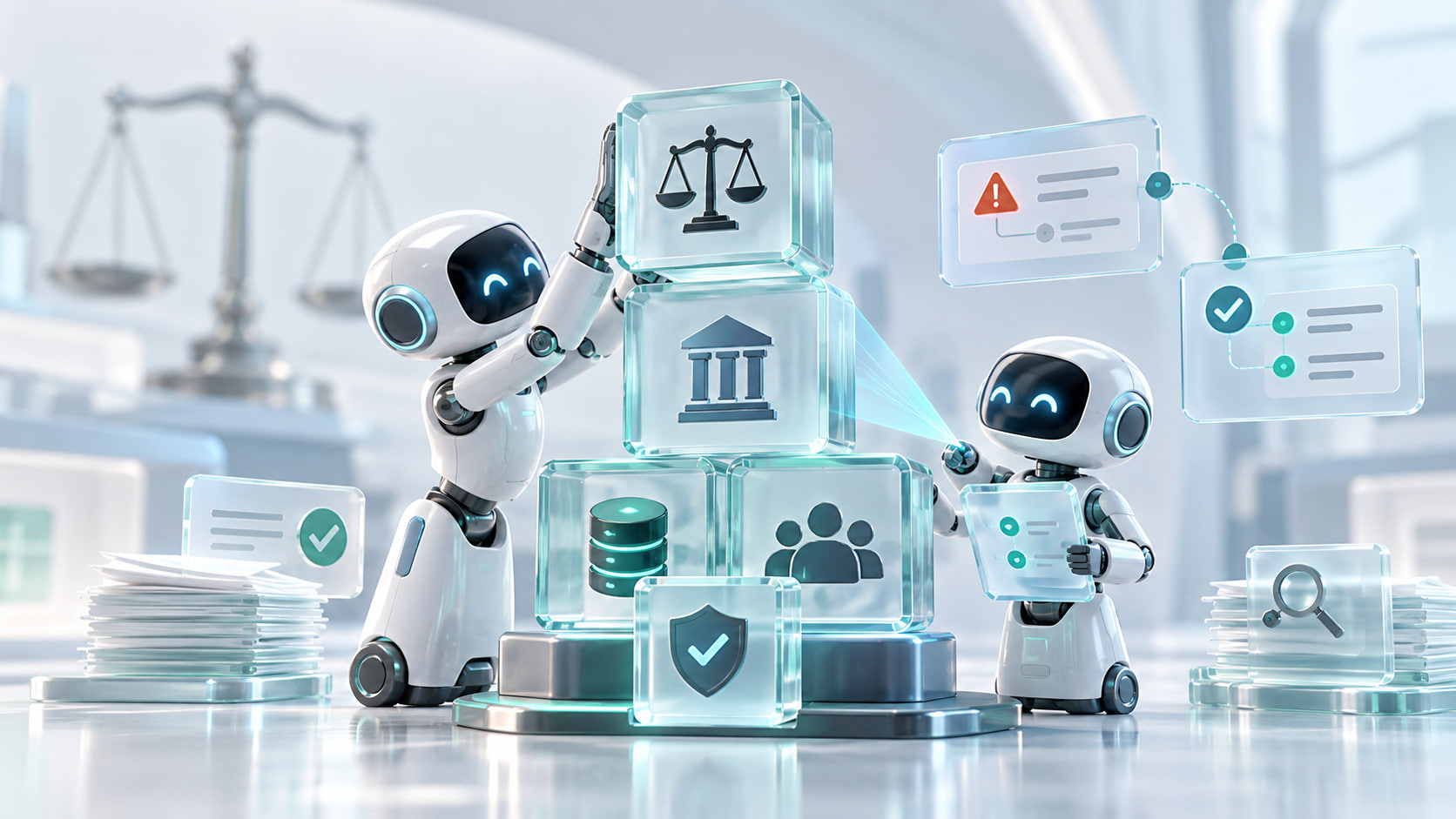
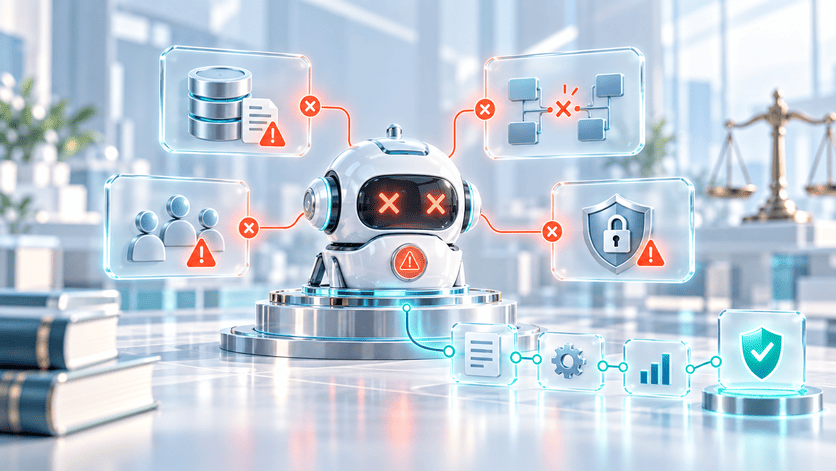
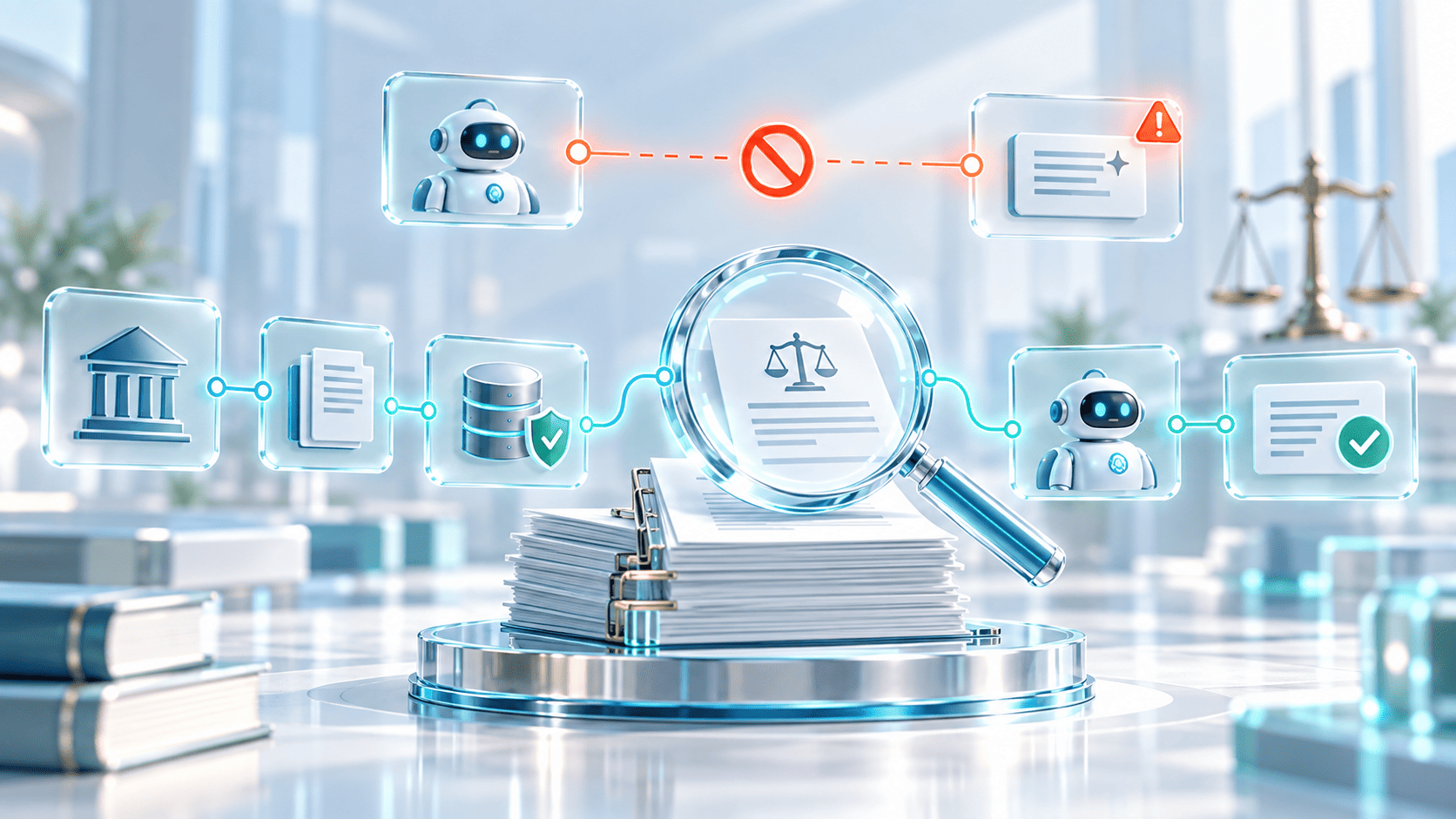
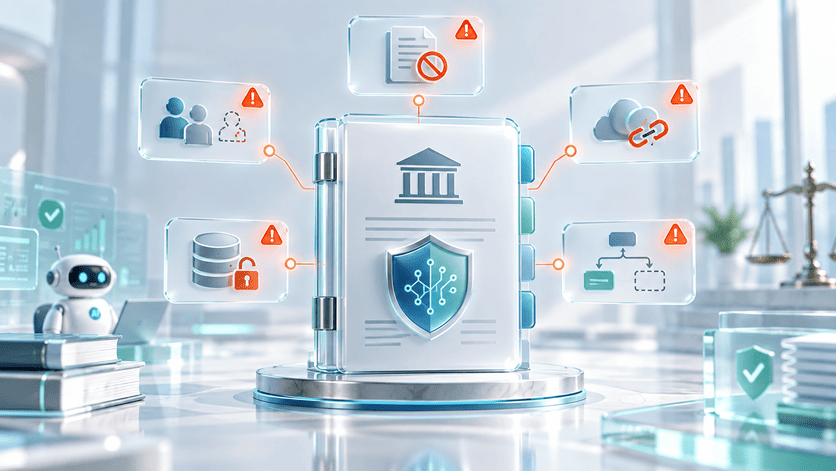
Artificial Intelligence in HR has evolved from an experimental IT initiative into a shift in workforce strategy. What was once used primarily for administrative processing and reporting is now positioned as a decision-support infrastructure that translates vast amounts of workforce data into predictive talent signals.
This shift is driven by three converging realities: a global skills shortage, accelerating technological change, and the exponential growth of unstructured enterprise data.
Nowadays, organizations are moving away from fragmented, manual HR operations toward what can be described as “Systemic HR,” where integrated, AI-enabled technologies underpin business processes across the talent lifecycle. In this new environment, HR data is no longer operational residue – it is strategic capital.
For HR teams, the question is no longer whether AI should be adopted, but how it should be governed, scaled, and aligned with long-term business objectives.
What Is AI in HR — and Why It Has Become a Board-Level Issue
AI in HR refers to the use of systems capable of human-like reasoning, pattern recognition, and autonomous decision-support to enhance workforce strategy. Rather than simply automating repetitive tasks, AI functions as an intelligence layer that analyzes fragmented datasets – such as performance metrics, hiring records, and engagement data – to generate predictive insights about attrition, hiring success, and future talent needs.
Its elevation to the board agenda is directly tied to measurable business impact. IBM’s research shows that organizations delivering top-tier employee experiences outperform peers by 31% in revenue growth. And nearly 90% of leaders anticipate that AI deployment will drive revenue growth within three years.
At the same time, a maturity gap persists: while 92% of companies plan to increase AI spending, only 1% consider themselves fully mature in integrating AI into workflows.
Organizations deploying AI at an operational level outperform peers by 44% on critical metrics such as retention. However, scaling AI requires governance oversight due to risks related to bias, privacy, and regulatory exposure.
For the Board and C-suite, AI in HR is not a technology experiment – it is foundational architecture for sustainable human-machine partnership and long-term competitive advantage.
Benefits of AI in HR: Architecting an Efficient and Personalized Workforce
The real value of AI in HR emerges when it moves beyond isolated automation and becomes part of how the organization actually operates. It not only improves efficiency but also sharpens executive judgment around talent growth and resilience.
Operational Efficiency and Service Delivery Cost Reduction
The most immediate benefit for technology-driven firms is a sharp reduction in administrative delays. By offloading routine, repetitive tasks, such as payroll processing, benefits enrollment, and initial candidate screenings, to AI, organizations can scale their operations without a proportional increase in HR headcount.
- Cost Savings: Research from IBM Consulting suggests that reducing manual HR tasks through AI-driven self-service can result in 50% to 60% savings in HR service delivery costs.
- Recruitment Velocity: High-growth organizations use AI to manage surging application volumes. For example, Chipotle utilized conversational AI to shrink its seasonal hiring timeline from 12 days to just four.
- 24/7 Accessibility: AI-powered virtual assistants provide around-the-clock support for employees across different time zones, ensuring that inquiries regarding policies or payroll are addressed instantly without human intervention.
The Decision-Support Layer: Predictive Analytics and Talent Intelligence
AI’s primary contribution is its ability to transform large amounts of data into predictive talent signals. And unlike traditional manual reporting, AI-enabled analytics provide a forward-looking view of the workforce.
- Turnover and Attrition Forecasting: Predictive models analyze patterns in employee engagement and service history to identify disengagement risks before they lead to resignations.
- Skills Gap Analysis: AI systems can map existing job architectures against future product roadmaps, identifying specific skill gaps and suggesting targeted upskilling or reskilling initiatives.
- Revenue Impact: The business case is underscored by evidence that organizations utilizing AI to deliver top-tier employee experiences outperform their peers in revenue growth.
Enhancing Employee Experience through Personalization
AI allows organizations to treat employees as customers of the HR function, providing a personalized journey throughout the employee lifecycle.
- Tailored Learning and Development: AI systems recommend individualized training paths and mentors based on an employee’s specific career aspirations and performance data.
- Proactive Engagement: By analyzing sentiment data from internal communications and surveys, AI enables leadership to intervene proactively in bottlenecks, strengthening workplace culture.
- Reduced Friction: Intelligent onboarding agents can guide new hires through personalized ramp-up plans, reducing the time-to-productivity for technical roles by 20% to 30%.
Ultimately, the goal is not to replace people, but to free HR experts from routine tasks so they can focus on more strategic and creative work, where human judgment, context, and experience truly matter.
Challenges of AI in HR for Businesses: Navigating the Friction of Implementation
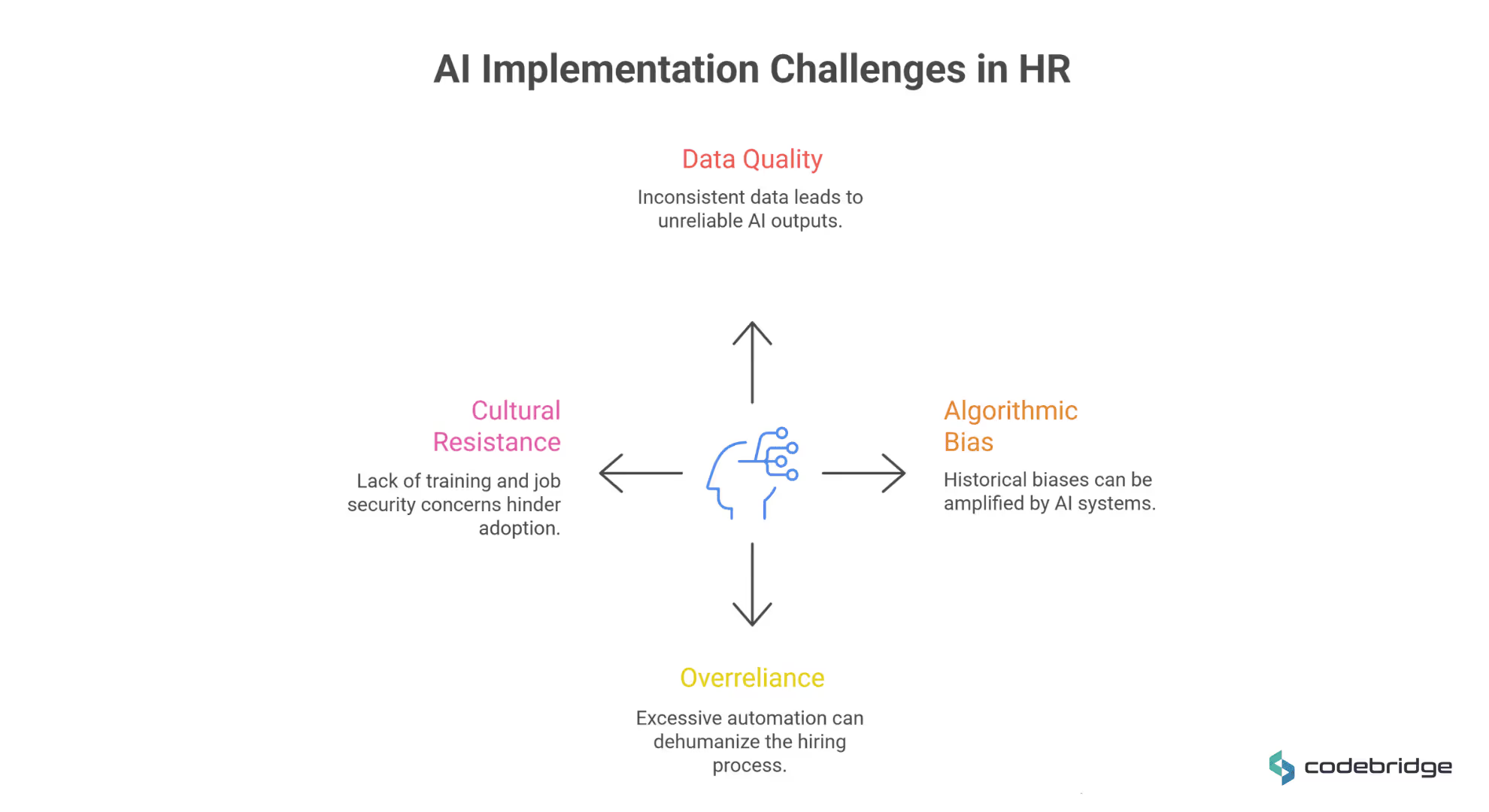
AI in HR offers strong strategic potential, but implementation is rarely smooth. For most organizations, the challenge is integrating it into existing systems and processes.
Data Quality and Infrastructure Gaps
AI systems are only as strong as the data behind them. Many companies operate with fragmented HR environments where candidate data and performance records sit in separate systems, such as ATS and HCM platforms. These silos prevent AI from building a complete and accurate view of employees or candidates.
When data is inconsistent or incomplete, AI outputs become unreliable. Predictive models designed to forecast attrition or hiring success can generate high-confidence errors if the underlying data is flawed. Without clean and structured information, even advanced tools struggle to produce meaningful insights.
Algorithmic Bias and Regulatory Exposure
AI systems learn from historical data. If past hiring patterns were biased and algorithms can replicate and even amplify those biases. The well-known example of Amazon’s abandoned recruiting tool – which penalized resumes containing the word “women’s” – illustrates how historical imbalance can distort automated decisions.
There is also the “black box” problem: many AI systems cannot clearly explain how they reach conclusions. This creates legal and reputational risks. Under regulations such as the EU AI Act, recruitment AI is classified as high-risk and requires transparency and human oversight. Without governance, organizations expose themselves to litigation, privacy violations, and employer brand damage.
Overreliance and the “Race to the Bottom”
Another risk is excessive automation. When recruiters use AI to filter applications and candidates use AI to mass-produce optimized resumes, the hiring process becomes noisy and transactional. Recruiters face polished but less authentic applications, while candidates feel ignored or “ghosted” by algorithms.
Removing human oversight from high-stakes decisions – such as hiring or termination – can weaken judgment and harm brand differentiation. AI can support decision-making, but it should not fully replace it.
Change Management and Cultural Resistance
Many AI initiatives fail not because of technology, but because of culture. Organizations often overestimate readiness. While 94% of employees report familiarity with generative AI, many receive little formal training or guidance.
Concerns about job displacement add to resistance: 41% of U.S. workers worry that AI could make their roles obsolete. At the same time, limited AI literacy among leaders can slow adoption. Successful implementation requires redesigning workflows to work alongside AI—not simply adding new tools to outdated processes.
The Rise of Agentic AI in HR: Moving from Automation to Autonomous Collaborators
However, still, maybe the most significant shift in the HR technology landscape is the transition from "Assistant AI," which responds to specific, linear commands, to "Agentic AI," which functions as an autonomous teammate.
For executive leadership, this is the introduction of a real digital workforce capable of perceiving objectives, reasoning through roadblocks, and executing multi-step workflows with minimal human intervention.
And while traditional AI functions like a junior analyst requiring constant direction, agentic systems operate like an empowered project team that figures out the "how" once the "what" has been defined.
The Technical Mechanism: The "Sense-Plan-Act" Loop
The differentiator between agentic AI and legacy automation lies in its architectural feedback loop. Traditional tools follow a linear workflow. In contrast, agentic AI employs a continuous "sense-plan-act" cycle:
- Sense: The agent gathers inputs from fragmented systems (ATS, HCM, email) and analyzes the results of previous actions.
- Plan: The agent updates its task breakdown, determining the next best course of action based on real-time context and internal hiring standards.
- Act: The agent executes multi-step jobs, such as filing paperwork, managing time-off requests, or sourcing candidates, across different platforms.
This loop allows the system to learn and adjust on the fly, a capability that rule-based systems lack. As these agents evolve, they retain memory over time, allowing them to personalize interactions and improve performance as they encounter more data.
Orchestration and the "Digital Teammate"
For the CTO and Product leader, the strategic value of agentic AI is found in its ability to coordinate complex, multi-agent workflows. Organizations are increasingly moving toward models where specialized agents, collaborate to manage the end-to-end talent lifecycle.
In this environment, the human role undergoes a fundamental shift from creation to curation. Human workers provide the necessary context, empathy, and ethical judgment, while AI handles the pattern recognition and high-volume execution.
This state of superagency amplifies personal productivity by allowing recruiters and HR managers to focus on strategic initiatives – such as relationship building and culture architecture – while digital workers handle the administrative work that historically slowed growth.
Executive Trade-offs: The Challenge of Autonomy
Despite the projected 327% growth in agent adoption by 2027, the move to autonomous collaborators introduces a new tier of strategic risk. Because these agents act with higher levels of independence, the "black box" problem becomes more acute; the reasoning behind a decision can be opaque, making conclusions difficult to audit.
Leadership must treat these agents like internal talent as they require defined scopes, performance goals, and regular coaching check-ins to stay aligned with organizational values.
Without rigorous governance and human-in-the-loop safeguards, autonomous systems risk drifting from their intended roles or amplifying biased data at scale. The transition to agentic AI is, therefore, as much an organizational design challenge as it is a technical one.
AI in HR Examples: Where Organizations Are Seeing Real Impact
The transition of AI from theory to strategic infrastructure is best observed through high-scale deployments that address specific bottlenecks.
At technology-driven companies, these cases demonstrate that the value of AI is not found in generic automation, but in the precise application of reasoning models to high-friction domains.
Case Study: Engineering Hiring Automation (Codebridge RecruitAI)
A US-based technology enterprise with over 1,000 employees reached a point when engineering applications surged to 3,000 per month. The primary bottleneck was manual technical validation: senior engineers were losing 200-400 hours monthly reviewing test assignments, a direct productivity drain costing an estimated $30,000 per month.
By implementing a multi-agent orchestration platform, the organization achieved a 50% reduction in full-cycle time-to-hire (from 24 days to 10–12 days).
Technically, the platform solved several executive-level risks:
- Anti-Cheating Safeguards: The system implemented a "Protection Layer" to detect "invisible keyword stuffing" in resumes and LLM-generated text in code submissions.
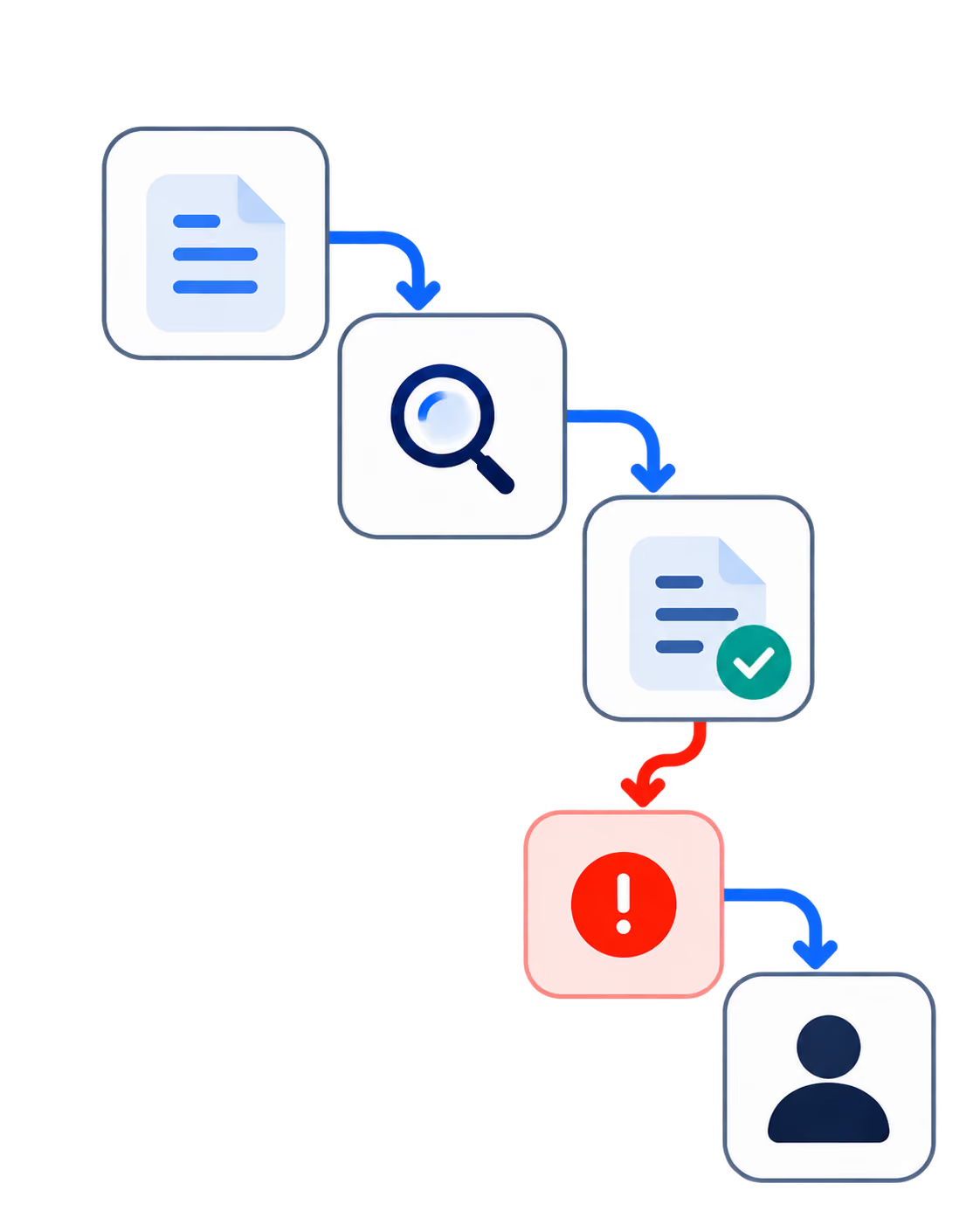
- Confidence-Based Routing: Agents were governed by a 90% confidence threshold; borderline cases were automatically escalated to human recruiters, ensuring that final rejection decisions remained with a person.
- ROI Realization: The initiative achieved a 60% reduction in manual engineering review workload and reached break-even within the first year of operation.
High-Volume Enterprise Transformation: Unilever and IBM
Beyond specialized engineering hires, global enterprises are using AI to overhaul the entire employee lifecycle.
Unilever utilized AI-driven video analysis and gamified assessments – measuring traits like risk-taking and adaptability – to reduce its hiring timeline from four months to just four weeks.
This shift saved an estimated 100,000 hours per year.
At IBM, the internal tool illustrates the scalability of AI-enabled service delivery. By automating over 80 common HR processes, the platform manages 10.1 million interactions annually, saving the organization 50,000 hours per year while simultaneously improving customer satisfaction (CSAT) scores.
AI in Recruitment: How the Recruiting Process Is Changing
Recruitment is often the first place where AI moves from theory to daily practice. Every hiring decision affects product velocity, team performance, and long-term competitiveness. Because of this pressure, recruitment has become a primary testing ground for AI in HR.
What is changing is not just the speed of hiring, but the structure of the process itself. AI is reshaping how companies source candidates, validate skills, and communicate with talent. Instead of relying on manual screening and fragmented tools, organizations are redesigning the recruiting funnel around coordinated workflows.
This shift moves recruitment away from repetitive administrative work and toward structured, data-informed decision-making. The goal is not simply to process more applications, but to manage the entire journey, from sourcing to offer, with greater consistency and clarity.
Funnel Transformation: Beyond Keyword Matching
Traditional recruiting funnels often rely on manual resume reviews and basic keyword filtering. This approach is slow and frequently superficial.
Now modern AI-driven systems aim to reduce these bottlenecks by coordinating multiple tools and data sources.
- Sourcing and Matching
AI agents can search across more than 20 integrated platforms, including GitHub, Stack Overflow, and LinkedIn, to identify both active and passive candidates. Matching happens not only on hard skills, but also on softer indicators such as intellectual curiosity.
- Intelligent Screening
Some of the more advanced systems go beyond keyword detection. They can identify “invisible keyword stuffing,” where candidates hide terms in white text to manipulate Applicant Tracking Systems. Some tools also analyze “perplexity scores” to flag resumes likely generated by large language models.
- Response Velocity
AI also improves speed. By automating early outreach and interview scheduling, organizations have reduced response times from an average of 24 hours to under two minutes. In competitive hiring markets — where strong candidates may only be available for a few days — this responsiveness can be decisive.
Overall, the transformation is not just about automation. It is about replacing slow, surface-level filtering with structured, coordinated evaluation across the whole funnel.
The Quality vs. Speed Trade-Off
However, the agentic automation raises a new question. Does AI improve the quality of hire, or does it merely increase the speed of the funnel?
While AI provides clear efficiency gains, allowing recruiters to process larger pools at lower costs, there is no conclusive evidence that AI outperforms established science-based tools in predictive accuracy without human intervention.
The strategic advantage of AI lies not in replacing human judgment, but in disciplining it. By enforcing structure and consistency, asking every candidate the same questions, and applying uniform scoring, AI reduces the noise of human fatigue and subconscious bias.
The Shift to "Super-Curation"
As AI takes over high-volume administrative work, the recruiter’s role does not disappear. Instead, it changes from execution to judgment, from manual screening to what can be described as “super-curation.”
In traditional models, recruiters and technical teams spend significant time reviewing resumes, checking basic qualifications, and manually validating skills.
In the case referenced earlier, engineering teams were saving up to 300 hours per month once AI handled initial code reviews and structured validation. That time was not eliminated; it was redirected toward higher-value work, such as product architecture discussions and strategic relationship building.
Super-curation means working with structured outputs rather than raw applications. Instead of reading every resume line by line, recruiters use tools such as to understand how and why an AI agent reached a particular conclusion.
The human role becomes one of interpretation and accountability, reviewing confidence thresholds and making final high-stakes decisions.
AI disciplines the funnel, but humans define standards. Recruiters are no longer gatekeepers overwhelmed by volume; they become curators of talent quality, focusing attention only where judgment, context, and cultural fit truly matter.
AI in Recruitment — Speed vs. Structure
How Leaders Can Strategically Prepare for the Future of AI in HR
Preparing for AI in HR is not just a technology upgrade – it’s becoming a business transformation. The real challenge for businesses is not choosing the right tool, but building an integrated system where technology, data, and people work together.
Many organizations still operate with disconnected tools and fragmented processes. Moving toward a “Systemic HR” model requires alignment across the tech stack and the work strategy behind it.
Therefore, the priority for leadership is not speed alone. It is intentional design: aligning infrastructure, governance, and workforce capabilities so AI strengthens human performance rather than adding another layer of complexity.
CHRO and CTO Alignment: The New Strategic Nexus
Historically, new HR technologies fell under the exclusive purview of IT or HR in isolation. In the agentic era, AI adoption is a joint mandate. The CTO must ensure the architectural integrity and data interoperability of the HR tech stack, while the CHRO must "own" the work strategy, identifying where AI can augment human potential.
A critical strategic trade-off for this partnership is the choice to "shape" or "take". "Taking" involves adopting vendor tools for immediate efficiency gains in routine tasks. "Shaping" requires customizing models to reflect the firm’s unique hiring standards and cultural values, creating a "competitive moat". Leaders must recognize that for every dollar spent on AI technology, companies often need to spend nine dollars on the "intangible human capital" required to redesign jobs and business processes around that technology.
Infrastructure and Workflow Redesign
Success depends on "rewiring" the enterprise rather than simply "bolting on" AI to existing, inefficient workflows. Redesigning how work moves between people and AI agents is more critical than the choice of LLM provider. This includes:
- Data Readiness: Auditing the HR data landscape to break down silos between payroll, performance, and recruitment systems to provide a "single source of truth".
- Federated Governance: Establishing clear policies for accountability, transparency, and bias detection before scaling.
- Meta-Skill Development: Shifting employee training toward "meta-skills" that AI cannot replicate, critical thinking, empathy, and judgment, which enable humans to curate and validate AI outputs effectively.
Five Executive Questions for Leadership
To move from pilot projects to AI maturity, the Board and C-suite must challenge their HR and technical teams with the following questions:
- Is our strategy ambitious enough? Are we merely automating tasks, or are we fundamentally reimagining cost centers into value-driven functions?
- How are we addressing the "shaping vs. taking" trade-off? Where do we need to customize AI to protect our competitive advantage, and where is off-the-shelf efficiency sufficient?
- What does success look like beyond efficiency? Have we defined KPIs for quality-of-hire, talent density, and employee experience, or are we only measuring time-to-hire?
- Are our workflows designed for hybrid collaboration? How specifically does work move between a human recruiter and an AI agent, and where does human accountability sit in high-stakes decisions like termination or promotion?
- How resilient is our data foundation? Can our current systems provide the clean, bias-free, and integrated data required for autonomous agents to function without high-confidence errors?
The Future of AI in HR: Competitive Advantage or Table Stakes?
AI in HR is quickly moving from optional innovation to operational necessity. For technology-driven companies, the bigger risk is no longer overinvesting in AI, it is underestimating its impact.
Treating AI as a collection of small pilot projects, rather than as a structural redesign of how work happens, limits its value.
The organizations that benefit most are the ones that “rewire” HR around integrated systems, clear governance, and human-machine collaboration. At that stage, AI is no longer a competitive edge – it becomes the baseline for staying relevant.
The Transformation of the CHRO
This shift changes leadership roles, especially for the Chief Human Resources Officer. Historically, only 20% of executives viewed HR as the owner of future work strategy, but in an AI-enabled enterprise, that perspective is no longer sustainable.
The CHRO must evolve from an administrative operator to a talent architect. That means using AI-driven talent intelligence to understand skill architectures, anticipate workforce disruptions, and shape employee experience proactively rather than reactively.
AI literacy becomes essential, not only for technical teams, but for HR leadership itself. Managing AI agents requires the same oversight and strategic thinking applied to human teams.
Synthesis: Moore’s Law Meets the Labor Market
We are entering the era of the "Superworker" – an environment where human-machine partnerships redefine productivity. While AI provides the "processing power" to analyze millions of data points and automate multi-step workflows, uniquely human capabilities – empathy, ethical judgment, and complex reasoning, become more valuable precisely because algorithms cannot replicate them.
The strategic differentiator for the next decade will not be the possession of AI tools, but the organization's ability to integrate them into HR models. Companies that successfully "shape" their AI infrastructure to match their specific cultural and technical requirements will create a "moat" of talent density and agility that "takers" of off-the-shelf software cannot replicate.
5 Executive-Level Questions for Your HR Team
To conclude this strategic assessment, leadership should evaluate their organization's readiness through these five questions:
- Is our strategy ambitious enough? Are we merely automating legacy tasks, or are we fundamentally reimagining HR as a value-driven engine for business growth?
- Does our data infrastructure support autonomy? Have we broken down the silos between payroll, ATS, and performance systems to provide the clean data required for agentic AI to function?
- What is our "human-in-the-loop" protocol for high-stakes decisions? Where does human accountability sit in the automated funnel, particularly regarding hiring, firing, and promotions?
- Are we investing in "meta-skills"? Beyond AI literacy, are we training our workforce in the curation, critical thinking, and judgment necessary to oversee autonomous systems?
- How are we measuring the ROI of "Superagency"? Are we tracking more than just "time-to-hire"? Are we measuring improvements in talent density, employee retention, and overall revenue growth per employee?
In HR, the move toward an AI-driven workforce is not reversible. Organizations that treat HR data as strategic capital and position the CHRO as a transformation leader will define the next phase of competitive performance.












Heading 1
Heading 2
Heading 3
Heading 4
Heading 5
Heading 6
Lorem ipsum dolor sit amet, consectetur adipiscing elit, sed do eiusmod tempor incididunt ut labore et dolore magna aliqua. Ut enim ad minim veniam, quis nostrud exercitation ullamco laboris nisi ut aliquip ex ea commodo consequat. Duis aute irure dolor in reprehenderit in voluptate velit esse cillum dolore eu fugiat nulla pariatur.
Block quote
Ordered list
- Item 1
- Item 2
- Item 3
Unordered list
- Item A
- Item B
- Item C
Bold text
Emphasis
Superscript
Subscript