Last quarter, a Series B fintech running a 12-person engineering team celebrated a milestone: their AI coding assistants had increased code output by 340%. Six weeks later, their CTO discovered something troubling. Nearly half that "new" code was duplicate logic scattered across 47 different files. Their codebase had bloated by 60%, but feature delivery had actually slowed. The AI wasn't building, it was copy-pasting at scale.
This isn't an isolated incident. It's the defining pattern of 2026 enterprise development.
KEY TAKEAWAYS
AI code generation doubles code churn rates, with AI-generated code requiring rewrites or deletion within two weeks at 2x the normal rate.
Up to 30% of AI-generated snippets contain security vulnerabilities, SQL injection, XSS, and authentication bypass are showing up in production.
Intent-driven development is replacing code-writing, but organizations unprepared for this shift are accumulating technical debt faster than ever.
The winners aren't writing more code, they're building review and refactoring infrastructure that treats AI as a junior developer, not an oracle.
The Systemic Problem Nobody's Measuring
The shift from "AI that responds" to "AI that acts" has accelerated beyond anyone's 2024 predictions. According to research from ESADE and Capgemini, AI agents are now handling purchasing decisions, vendor negotiations, and entire business process workflows autonomously. This isn't experimental, it's production. But the same agentic capabilities that automate business logic are creating chaos in codebases.
The problem isn't that AI writes bad code. The problem is that AI writes plausible code without context. It pattern-matches from training data, producing syntactically correct solutions that ignore your existing abstractions. One developer on Dev.to captured it precisely:
"Duplicate code is up 4x because AI doesn't refactor." It copy-pastes patterns. Your codebase becomes bloated with repeated logic.
Elvis Sautet, Dev.to contributor
This creates a paradox: your velocity metrics look spectacular while your maintainability metrics collapse. Engineering managers see PRs merged faster. CTOs see technical debt compounding silently.
Security Vulnerabilities Are Shipping to Production
A mid-stage healthtech company (Series A, 8-person engineering team running Node.js on GCP) learned this the hard way. Their security audit in Q1 2026 flagged 23 instances of SQL injection vulnerabilities, all introduced in the previous four months, all in AI-generated database queries. The code passed review because it looked correct. It followed their naming conventions. It just happened to concatenate user input directly into query strings.
The security landscape has shifted dramatically. As the same Dev.to analysis documented, up to 30% of AI-generated code snippets contain classic vulnerabilities: SQL injection, XSS, authentication bypass. These aren't novel attack vectors. They're textbook problems that AI reproduces because its training data includes millions of vulnerable examples.
AI code generation doesn't introduce new vulnerability types,it scales the reproduction of old ones. Your security scanning pipeline built for human-paced development may not catch the volume.
The healthtech team's response was instructive. They implemented mandatory SAST (Static Application Security Testing) on every AI-generated PR, with a separate review queue for database interactions. Time-to-merge increased 15%, but security incidents dropped to zero over the following quarter. The tradeoff was worth it.
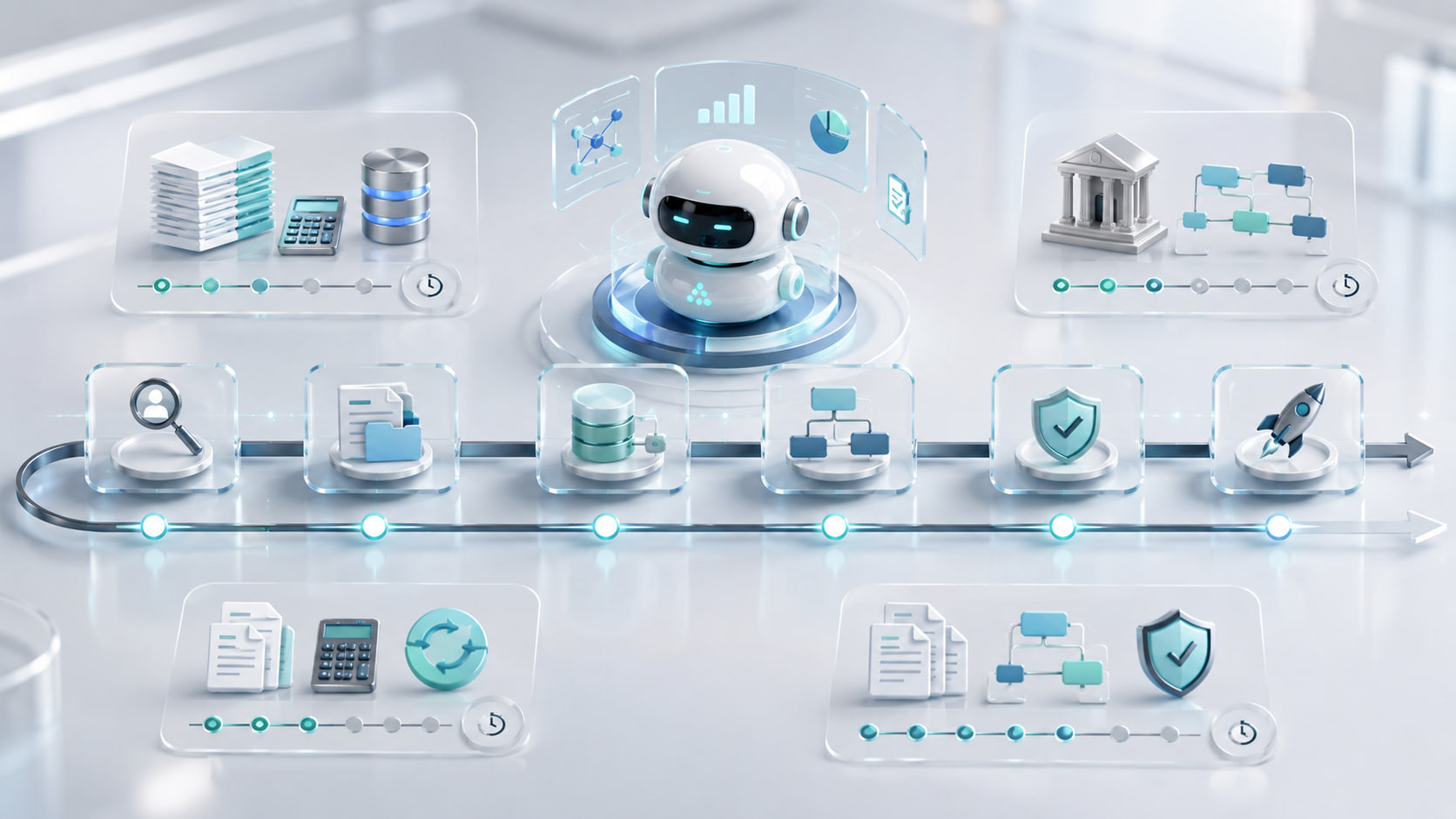
The diagram below illustrates how AI-generated code flows through a properly secured pipeline:

The Hype Cycle Hangover: Vector Databases and Tool Sprawl
The AI code generation problem is part of a larger pattern: technology adoption driven by capability rather than fit. Consider what happened with vector databases. In 2023, Pinecone hit a $750M valuation on promises of revolutionizing data retrieval for AI applications. By 2026, enterprise teams discovered the implementation reality was far messier than the pitch deck.
A B2B SaaS company (Series C, 45-person engineering org running PostgreSQL on AWS) spent six months migrating their search infrastructure to a dedicated vector database. The result? Marginal improvement in semantic search quality, but a 3x increase in operational complexity. They now maintain two database systems, two backup strategies, two sets of expertise requirements. As one Dev.to retrospective noted:
"It was an evolution forward, but not such a radical revolution as once predicted." All introduced new problems and challenges to tackle.
Elvis Sautet, Dev.to contributor
The same pattern is playing out across the CNCF environment. Organizations are hitting saturation with overlapping projects, service meshes that duplicate API gateway functionality, observability tools with redundant capabilities, multiple container runtimes solving the same problem differently.
A Reddit discussion in r/devops captured the emerging consensus: the "cool factor" won't be enough to drive adoption anymore. New project adoption should require clear ROI beyond innovation theater.
The Pattern: What Successful Teams Do Differently
The organizations navigating this transition successfully share a counterintuitive approach: they treat AI as a junior developer, not a force multiplier.
This means implementing the same guardrails you'd apply to a new hire who writes fast but doesn't know your codebase. Code review isn't optional. Refactoring is scheduled, not aspirational. Security scanning runs on every commit, not quarterly.
Consider how this maps to Capgemini's research on "intent-driven development", the from writing code to expressing intent. The developers who thrive aren't the ones who accept AI output uncritically. They're the ones who articulate precise requirements and then verify the output against those requirements.
The comparison below shows how traditional and AI-augmented development workflows differ in practice:

| Practice | Traditional Development | AI-Augmented Development |
|---|---|---|
| Code Review Focus | Logic correctness | Duplication detection + security patterns |
| Refactoring Cadence | Quarterly sprints | Weekly automated + monthly manual |
| Security Scanning | Pre-release gates | Every PR, with AI-specific rules |
| Documentation | Post-implementation | Intent capture before generation |
| Technical Debt Tracking | Backlog items | Automated metrics with thresholds |
The hiring landscape reflects this shift. As one Reddit thread in r/cscareerquestions documented, traditional DSA interview problems are becoming insufficient. Practical coding assessments now require writing extensive code, actual tests, and adherence to coding standards, because that's what real AI-augmented work looks like.
"The problem I am seeing with the practical coding problems is they expect you to write a lot of code, write actual tests, adhere to coding standards."
u/cscareerquestions user, Reddit r/cscareerquestions
This isn't interview inflation. It's recognition that the job has changed. The skill isn't writing algorithms, it's orchestrating AI output into maintainable systems.
The Actionable Framework: Five Changes for Q2 2026
Based on the patterns emerging from teams that have navigated this transition, here's what actually moves the needle:
1. Implement AI-Specific Code Review Checklists
Standard code review catches logic errors. AI-generated code requires additional checks: duplication against existing abstractions, security pattern violations, and consistency with established conventions. A mid-size e-commerce team (40 engineers, React/Node stack) reduced their duplicate code ratio by 60% within eight weeks by adding three questions to every AI-assisted PR: "Does this pattern already exist elsewhere?", "What security scanning was run?", and "What's the refactoring plan?"
2. Schedule Refactoring as Non-Negotiable Capacity
AI-generated code accumulates technical debt faster than human-written code. The teams succeeding allocate 15-20% of sprint capacity to refactoring, not as backlog items that get deprioritized, but as protected time. One infrastructure team tracks "AI debt ratio" as a metric: the percentage of AI-generated code that required modification within 30 days.
3. Run Security Scanning on Every AI-Generated Commit
The 30% vulnerability rate in AI-generated code isn't acceptable for production systems. Implement SAST tools configured with rules specific to common AI failure patterns: injection vulnerabilities, authentication bypass, and hardcoded credentials. The healthtech team mentioned earlier uses Semgrep with custom rules targeting patterns they've seen AI reproduce.
4. Consolidate Before Adding
Before adopting any new tool, vector database, observability platform, AI agent framework, require a documented analysis of existing capabilities. The CNCF tool sprawl problem stems from adding without consolidating. One platform team implemented a "tool budget": they can only add a new tool if they deprecate an existing one.
5. Evolve Your Interview Process
If your technical interviews still focus primarily on algorithmic puzzles, you're selecting for skills that AI handles well. Shift toward system design, code review exercises, and debugging scenarios. The best signal for AI-augmented development capability is how candidates evaluate and improve existing code, not how they write from scratch.
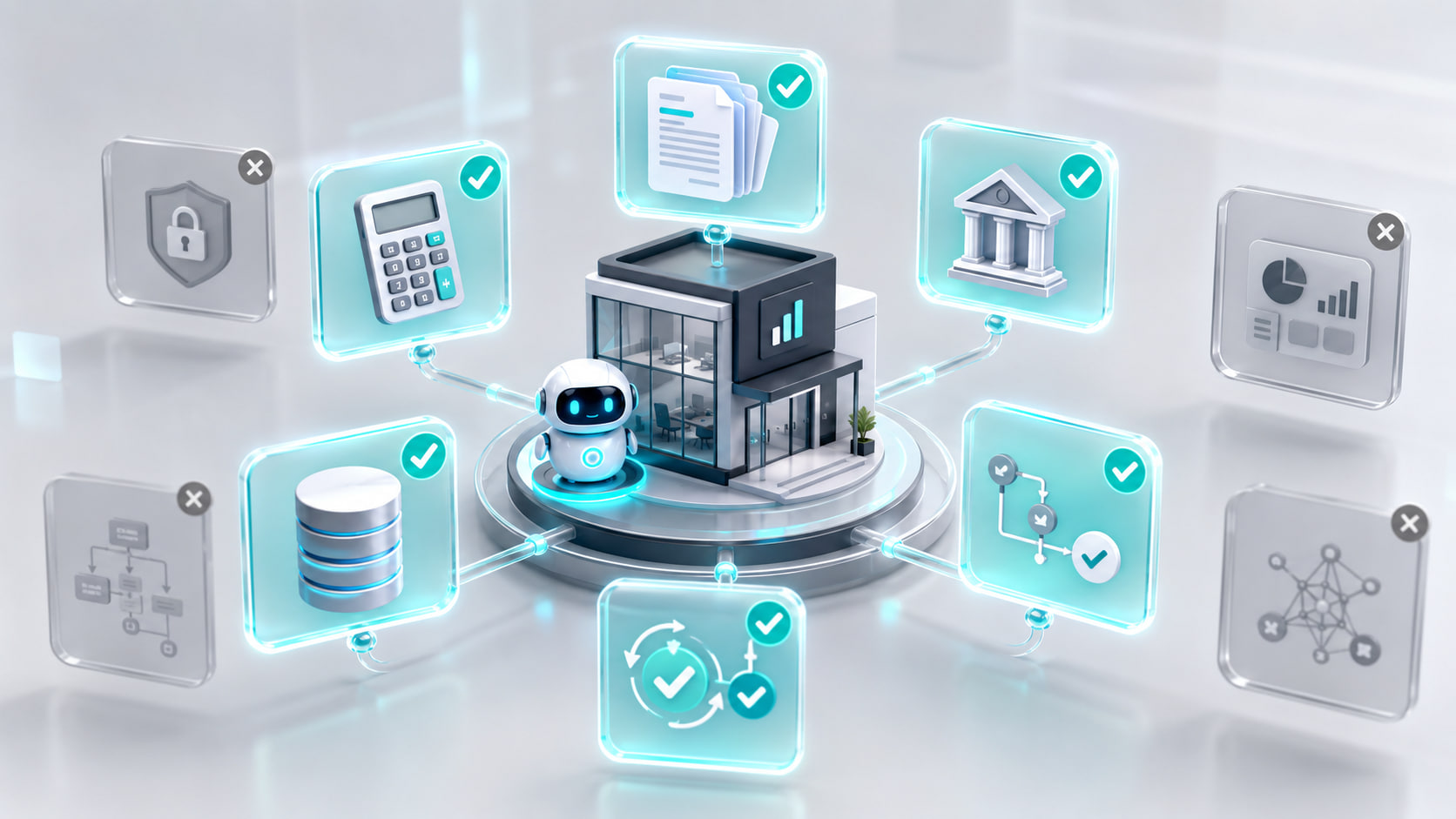
The quadrant below maps common technology decisions against their implementation complexity and actual value delivered:

The Path Forward
That fintech team from the opening? They didn't abandon AI code generation. They restructured around it. They implemented automated duplication detection that flags when AI-generated code replicates existing abstractions. They created an "AI patterns library", approved code patterns the AI should reference rather than reinvent. They scheduled weekly refactoring sessions focused specifically on consolidating AI-generated code.
Six months later, their codebase is 20% smaller than before they adopted AI tools. Feature delivery is genuinely faster, not just measured by PRs merged, but by customer-facing functionality shipped. The difference wasn't the AI. It was the infrastructure around the AI.
The organizations that will thrive in 2026 aren't the ones generating the most code. They're the ones building the systems to make AI-generated code maintainable, secure, and actually useful.
Diagnostic Checklist: Is Your AI Code Generation Creating Hidden Debt?
Your code churn rate (code rewritten or deleted within 2 weeks) has increased since adopting AI tools
Security scans are finding more vulnerabilities per sprint than 12 months ago
You have no specific code review checklist items for AI-generated code
Refactoring is a backlog item rather than protected sprint capacity
Your codebase size has grown faster than your feature count
You've added 2+ new infrastructure tools in the past year without deprecating any
Your technical interviews haven't changed since 2023
You measure engineering productivity by PRs merged rather than features shipped
No one on your team is specifically responsible for AI-generated code quality
Need help building AI code generation guardrails?
Talk to our engineering team about implementing review infrastructure that scales.
REFERENCES










Heading 1
Heading 2
Heading 3
Heading 4
Heading 5
Heading 6
Lorem ipsum dolor sit amet, consectetur adipiscing elit, sed do eiusmod tempor incididunt ut labore et dolore magna aliqua. Ut enim ad minim veniam, quis nostrud exercitation ullamco laboris nisi ut aliquip ex ea commodo consequat. Duis aute irure dolor in reprehenderit in voluptate velit esse cillum dolore eu fugiat nulla pariatur.
Block quote
Ordered list
- Item 1
- Item 2
- Item 3
Unordered list
- Item A
- Item B
- Item C
Bold text
Emphasis
Superscript
Subscript