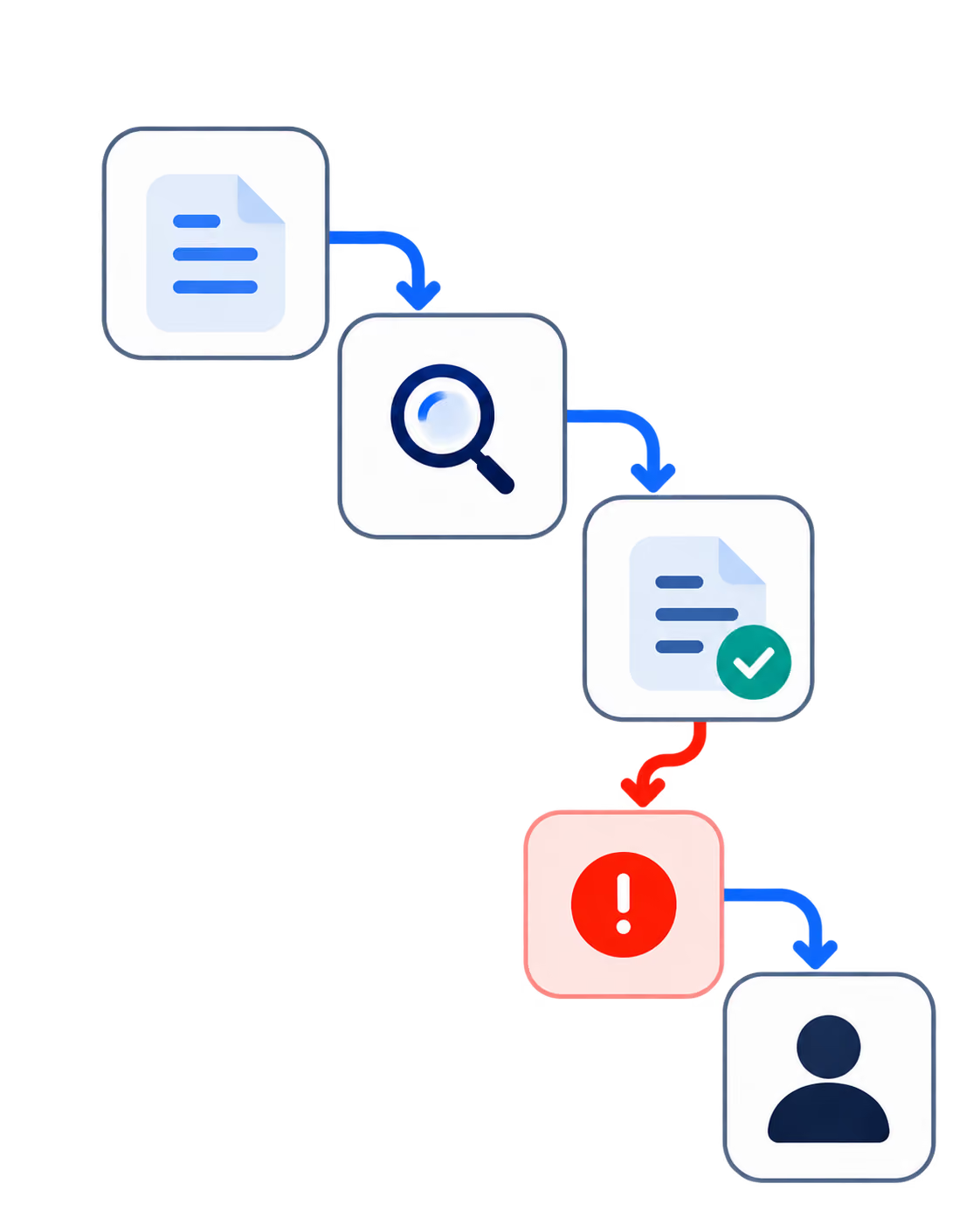
MVP development agencies specialize in guiding teams through this early validation phase. They combine product discovery, UX design, and agile engineering to help companies move from concept to market-ready MVPs efficiently. Instead of focusing on feature completeness, these agencies prioritize speed, usability, and scalability — ensuring that early technical decisions do not limit future growth.
According to CB Insights, nearly 38% of startups fail after exhausting their funding, often because they invest heavily in full product development before validating real market demand.
That's why choosing the right MVP partner can have a long-term impact on a product’s success. The strongest agencies help teams define what not to build, align technology with business goals, and create MVPs that can evolve into production-grade platforms.
In this article, we will explore top MVP development agencies. We aim to help you make an informed choice for your startup's needs.

Understanding MVP Development
MVP development is more than just crafting a minimal product. It's about strategic planning and execution. The process aims to test a product idea with minimum resources.
An MVP focuses on core functionalities. Startups launch it to gather user feedback quickly. This helps in validating product concepts before full-scale development.
Several key stages define MVP development. Initially, there’s idea validation and market research. This ensures the product meets real needs. Next, comes the design and prototyping phase, followed by actual development.
Testing is critical in the MVP process. Feedback from early users guides improvements. This iterative approach minimizes risk and maximizes potential.
Here's a brief overview of the MVP development stages:

- Idea Validation: Conduct market research and define target audience.
- Design and Prototype: Outline user flows and design key features.
- Development: Build the product focusing on essential functionalities.
- Testing and Feedback: Gather user input to refine and improve the product.
MVP development is a collaborative process. Agencies work closely with startups to ensure alignment. This teamwork ensures the product addresses user needs effectively.
What is an MVP?
A Minimum Viable Product is a concept widely used in startups. It represents the simplest version of a product. This version is released to gather consumer feedback. It contains only the core functionalities necessary to test the product hypothesis.
Releasing an MVP allows for quick market entry. It helps validate assumptions about the product. This is crucial before making significant investments.
Key benefits of creating an MVP include:
- Rapid Testing: Evaluate ideas quickly with minimal cost.
- Real-World Feedback: Gather genuine user reactions for better insights.
- Reduced Risk: Identify potential issues early in the process.
The goal of an MVP is to learn about customer needs. This learning process paves the way for future development.
What Does an MVP Development Agency Do?
An MVP development agency specializes in building minimum viable products. These agencies help startups transform ideas into tangible products. They ensure the product aligns with market demands.
Agencies offer end-to-end services. This includes product strategy, design, development, and testing. They focus on creating a functional product with essential features.
A typical MVP development agency provides:
- Product Strategy: Define goals, target audience, and features.
- Design Services: Create user-friendly interfaces and experiences.
- Development Process: Use agile methodologies for effective delivery.
- Testing and Evaluation: Collect feedback to refine the product.
By partnering with these agencies, startups leverage expert advice. Agencies use their industry knowledge to guide startups. They ensure the MVP is crafted with precision.
Overall, these agencies help reduce time-to-market. They support startups from concept to launch, ensuring a seamless process. This partnership is invaluable for startups entering competitive markets.
About Us: Codebridge Technology, Inc.
Codebridge Technology, Inc. is a software engineering and product development company specializing in MVP development, custom software, and scalable digital platforms. The company works with startups, scale-ups, and enterprise innovation teams to design and build products that are technically sound, user-focused, and ready for growth.
With a strong emphasis on agile delivery and product thinking, Codebridge helps teams move from early validation to production-ready solutions. Its approach combines business analysis, UX/UI design, and modern engineering practices to ensure MVPs are not only fast to market, but also architected for long-term evolution.
Codebridge teams have experience across industries such as SaaS, fintech, healthcare, logistics, and enterprise platforms, supporting both greenfield products and complex system modernization initiatives.
Why Startups Should Partner with an MVP Agency
Startups face many challenges when bringing a new product to market. MVP agencies provide valuable support in these critical phases. Partnering with such agencies allows startups to tap into specialized expertise.
These agencies streamline the development process significantly. They bring a wealth of experience and knowledge. Their involvement can reduce time and cost considerably. With a focus on delivering core functionalities, agencies help avoid unnecessary features.
Working with an MVP agency offers several clear advantages:
- Expert Guidance: Access to experienced professionals in product development.
- Efficient Processes: Streamlined workflows that speed up time-to-market.
- Cost Management: Budget-friendly development focusing on essential needs.
Moreover, MVP agencies provide a strategic approach to product development. They align the product vision with market needs. Their insights help in refining the product to meet user expectations. Effective collaboration with an agency ensures the development of a robust MVP. It also provides the startup with a competitive advantage.
Ultimately, such partnerships enhance a startup's chance of success. Agencies help navigate the complexities of launching a new product. Their support is crucial for startups seeking to make a strong market impact.
Key Features of a Successful Minimum Viable Product Agency
Choosing the right minimum viable product agency can be decisive for your startup's success. Successful agencies share some common features. They provide valuable services that cater to startups' unique needs. Understanding these features can guide your selection process.
Experience in MVP development is a core feature of a top-tier agency. Such experience translates into a deep understanding of market demands. Experienced agencies know how to prioritize and implement essential features effectively.
Another critical feature is flexibility. Agencies should be adaptable to changing project requirements. This adaptability helps them navigate unexpected challenges. It also ensures that the final product meets the evolving needs of the market.
Key features to consider when selecting an MVP agency include:
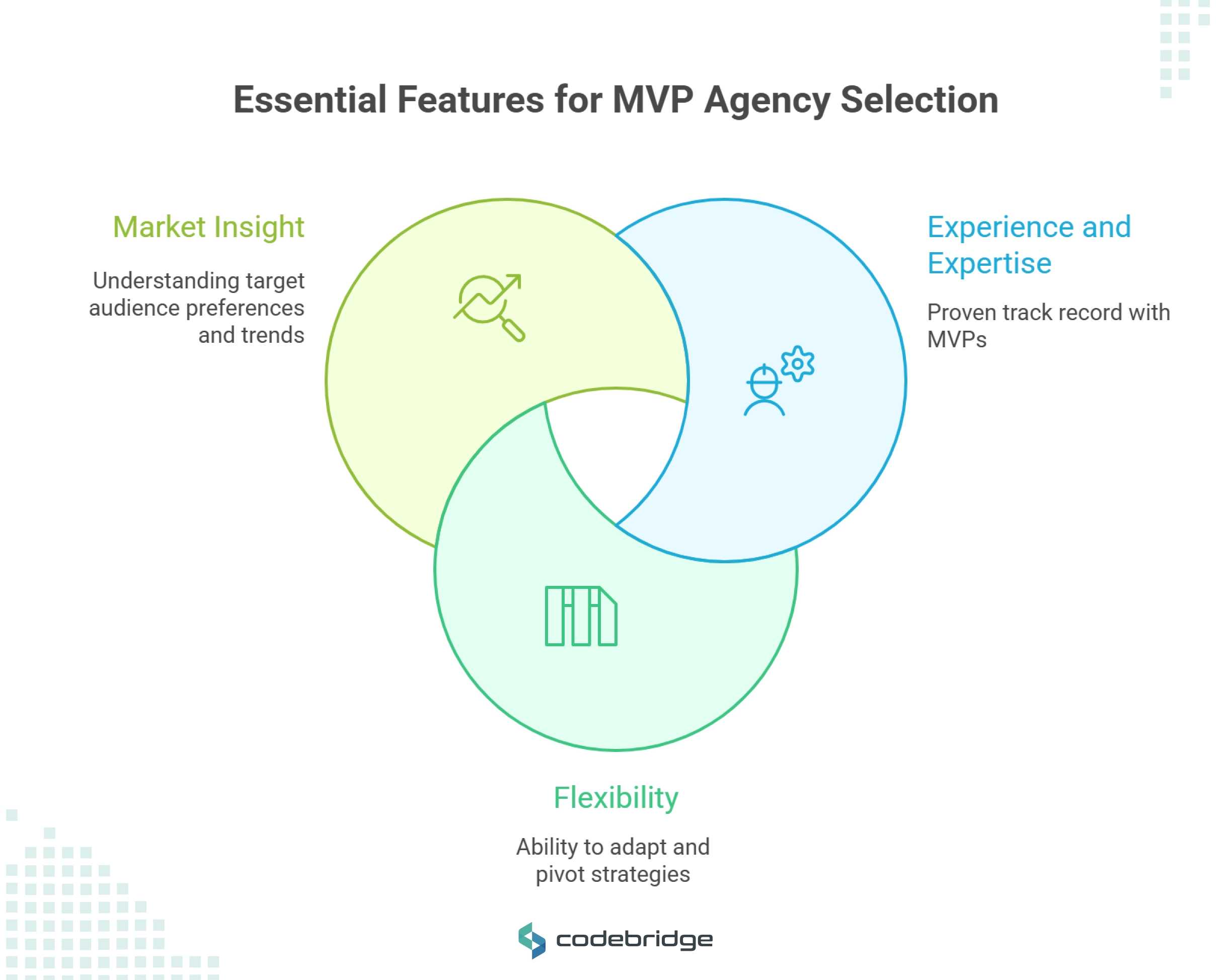
- Experience and Expertise: Proven track record with MVPs.
- Flexibility: Ability to adapt and pivot strategies.
- Market Insight: Understanding target audience preferences and trends.
Furthermore, a strong focus on testing and quality assurance is essential. A robust testing phase reduces post-launch issues. It enhances the product's reliability and user satisfaction. Agencies that prioritize these aspects can make a significant difference in product success.
Agile Methodology
Agile methodology stands out in the MVP development process. It represents a flexible and iterative approach. MVP agencies using this method ensure adaptability in their projects. Agile practices focus on continuous improvement.
This methodology allows agencies to respond quickly to feedback. They can implement changes and improvements efficiently. This results in a refined and market-ready product.
Agile methodology offers multiple benefits:
- Rapid Iteration: Frequent updates enhance product quality.
- Customer Feedback Integration: Adjustments are made based on user feedback.
- Transparent Process: Keeps stakeholders informed and involved.
Ultimately, the agile approach minimizes risks. It ensures the final product aligns with user needs. Agencies that embrace agile methodology deliver MVPs that are both practical and user-focused.
User-Centric Design
User-centric design is another hallmark of a successful MVP agency. It places the user at the heart of the development process. Agencies that adopt this approach create products that resonate with their target audience.
A user-focused design considers usability and user experience. It ensures the product is intuitive and engaging. This focus helps in building products that users love and trust.
Agencies specializing in user-centric design prioritize:
- User Needs Analysis: Understanding what users truly want.
- Intuitive Interfaces: Making the product easy to use.
- Feedback Loops: Continuously gathering and implementing user feedback.
This approach promotes better user satisfaction and adoption. It helps in creating products that not only meet but exceed user expectations. In summary, a strong emphasis on user-centric design is crucial for MVP success.
Spotlight on Leading MVP Development Agencies
When it comes to MVP development, selecting the right agency is crucial. Many agencies claim expertise, but only a few genuinely excel. These leading agencies stand out due to their track record, expertise, and innovative approaches. Below, we highlight five noteworthy agencies.
These agencies have been successful in developing MVPs across various sectors. They offer a range of services tailored to meet different needs. This section will guide you through their unique offerings.
Choosing the right partner can be daunting. These agencies have demonstrated excellence in innovation and execution. They have helped numerous startups launch successful products.
Understanding the strengths of each agency can clarify your choice. Each has its unique set of skills. From technology to design, they cover all facets of MVP development. Below are details on their core competencies.
Take a closer look at these top agencies:
- Codebridge Technology, Inc.: Expert in agile methodologies.
- The MVP Factory: Specialized in rapid prototyping.
- Brightscout: Focus on design and user experience.
- LaunchPad Lab: Comprehensive end-to-end services.
- Ideagen: Known for innovative solutions in unique markets.
Codebridge Technology, Inc.
Codebridge Technology, Inc. distinguishes itself with a robust approach to agile development. Their expertise lies in delivering iterative solutions that adapt to market changes. They focus on creating high-quality products that cater to startup needs.
This agency excels at rapid iteration and constant improvement. With a customer-centric approach, they ensure each product aligns with user expectations. Their track record includes numerous successful MVPs.
Core strengths include:

- Agile Development: Flexible and iterative processes.
- High-Quality Standards: Commitment to excellence.
- User-Focused Solutions: Tailoring products to user needs.
2. The MVP Factory
The MVP Factory is renowned for its focus on speed and efficiency. They specialize in rapid prototyping, helping startups quickly test and refine ideas. This approach minimizes time-to-market, giving startups a competitive edge.
Their team integrates closely with clients to ensure alignment with business goals. This agency is ideal for startups looking to validate their ideas rapidly and effectively.
Key advantages:
- Rapid Prototyping: Speedy development cycles.
- Collaborative Process: Close client collaboration.
- Idea Validation: Quick market testing and feedback.
3. Brightscout
Brightscout shines with its emphasis on design and user experience. They create visually appealing and intuitive products that captivate users. Their approach ensures that the MVPs are not only functional but also engaging.
They tailor their services to enhance user satisfaction and retention. Brightscout's design-driven process is ideal for startups wanting standout products.
Highlights include:
- Design Excellence: High-quality, intuitive designs.
- User-Centric Approach: Focus on user engagement.
- Brand Differentiation: Making products memorable.
4. LaunchPad Lab
LaunchPad Lab offers comprehensive end-to-end services in MVP development. They handle everything from ideation to product launch, ensuring a seamless process. This agency prides itself on delivering projects on time and on budget.
Their full-spectrum service is perfect for startups requiring a one-stop solution. They ensure every aspect of development is covered meticulously.
Service offerings:
- Full-Service Development: End-to-end project management.
- Timely Delivery: Adherence to deadlines.
- Budget Management: Cost-effective solutions.
5. Ideagen
Ideagen is noted for its innovative and tailored solutions. They cater to unique market needs, providing customized strategies that drive growth. With a focus on emerging trends, they position startups at the forefront of innovation.
Their strategic approach helps startups overcome unique challenges and capitalize on new opportunities. Ideagen is well-suited for startups in niche markets seeking creative solutions.
Distinct features:
- Tailored Strategies: Custom solutions for specific markets.
- Innovative Thinking: Embracing new technologies.
Growth Focus: Driving market expansion and success.
Criteria for Selecting an MVP Agency
Choosing the right MVP development agency is crucial for a successful product launch. Key factors can guide you in making an informed decision. Consider these aspects to ensure that your chosen agency aligns with your vision and needs.
Firstly, evaluate the agency's experience and expertise. A seasoned agency will have the knowledge to navigate challenges effectively. A deep understanding of MVP development is a critical asset.
Additionally, review the agency's portfolio and case studies. These showcase their ability to deliver successful projects. Portfolios offer insights into their design style, technological capability, and market experience.
Effective communication and collaboration should not be overlooked. The agency should engage with you consistently. This ensures the project progresses smoothly and meets your expectations.
Key selection criteria include:
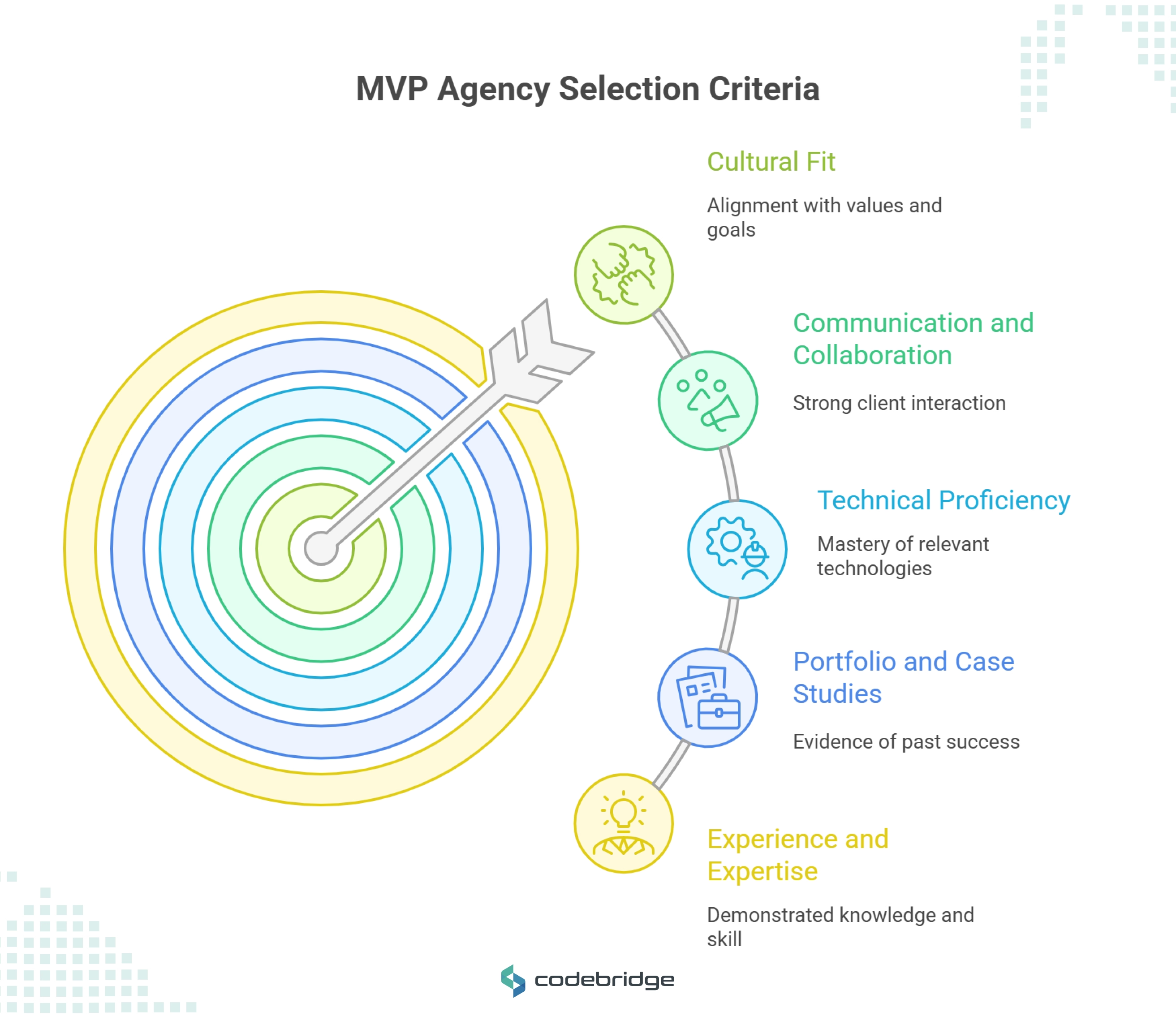
- Experience and Expertise: Demonstrated knowledge and skill.
- Portfolio and Case Studies: Evidence of past success.
- Communication and Collaboration: Strong client interaction.
- Technical Proficiency: Mastery of relevant technologies.
- Cultural Fit: Alignment with your values and goals.
Experience and Expertise
An agency's experience and expertise are pivotal in MVP development. An experienced team can predict and manage potential hurdles, ensuring the process is efficient. This reduces risk and enhances the quality of the final product.
Look for agencies that have worked across diverse sectors. This ensures they bring broad insights and solutions. A varied project history demonstrates adaptability and the ability to innovate.
Attributes to consider:
- Diverse Sector Experience: Broad industry exposure.
- Proven Track Record: Successful past projects.
- Technical Know-How: Knowledge of cutting-edge technologies.
Portfolio and Case Studies
Examining an agency's portfolio and case studies provides insight into their capabilities. They reveal the agency's ability to deliver high-quality MVPs that meet client requirements. Review projects similar to your own to gauge relevance.
Case studies highlight the agency's problem-solving skills. They can demonstrate how the agency handles challenges and achieves client goals. This can aid in assessing their approach to innovation.
Considerations for assessment:
- Similar Projects: Experience with related projects.
- Documented Success: Case studies with measurable outcomes.
- Innovative Solutions: Creative problem-solving examples.
Communication and Collaboration
Effective communication is vital for a successful partnership with an MVP agency. The agency should maintain clear communication lines. Regular updates ensure transparency and alignment with your goals.
Collaboration enables the agency to integrate your vision effectively. A partner who listens and adapts to feedback can enhance the project outcome. Choose an agency open to your insights and suggestions.
Key aspects include:
- Clear Communication: Consistent and transparent interactions.
- Responsive Feedback: Receptiveness to client inputs.
- Collaborative Approach: Engaging with client throughout the process.
How Much Does MVP Development Cost?
The cost of developing a minimum viable product varies widely. Multiple factors influence these costs, making it essential for startups to assess their budgets realistically. Understanding these variables can help you plan effectively.
Project complexity significantly impacts the overall cost. More intricate MVPs require advanced technology and a longer development period, increasing expenses. Simpler projects, naturally, tend to be less costly.
Additionally, the geographic location of your MVP development agency can affect pricing. Agencies in Western countries may charge higher rates compared to those in regions like Eastern Europe or Asia. However, this doesn't always compromise quality.
Key factors affecting MVP development costs include:
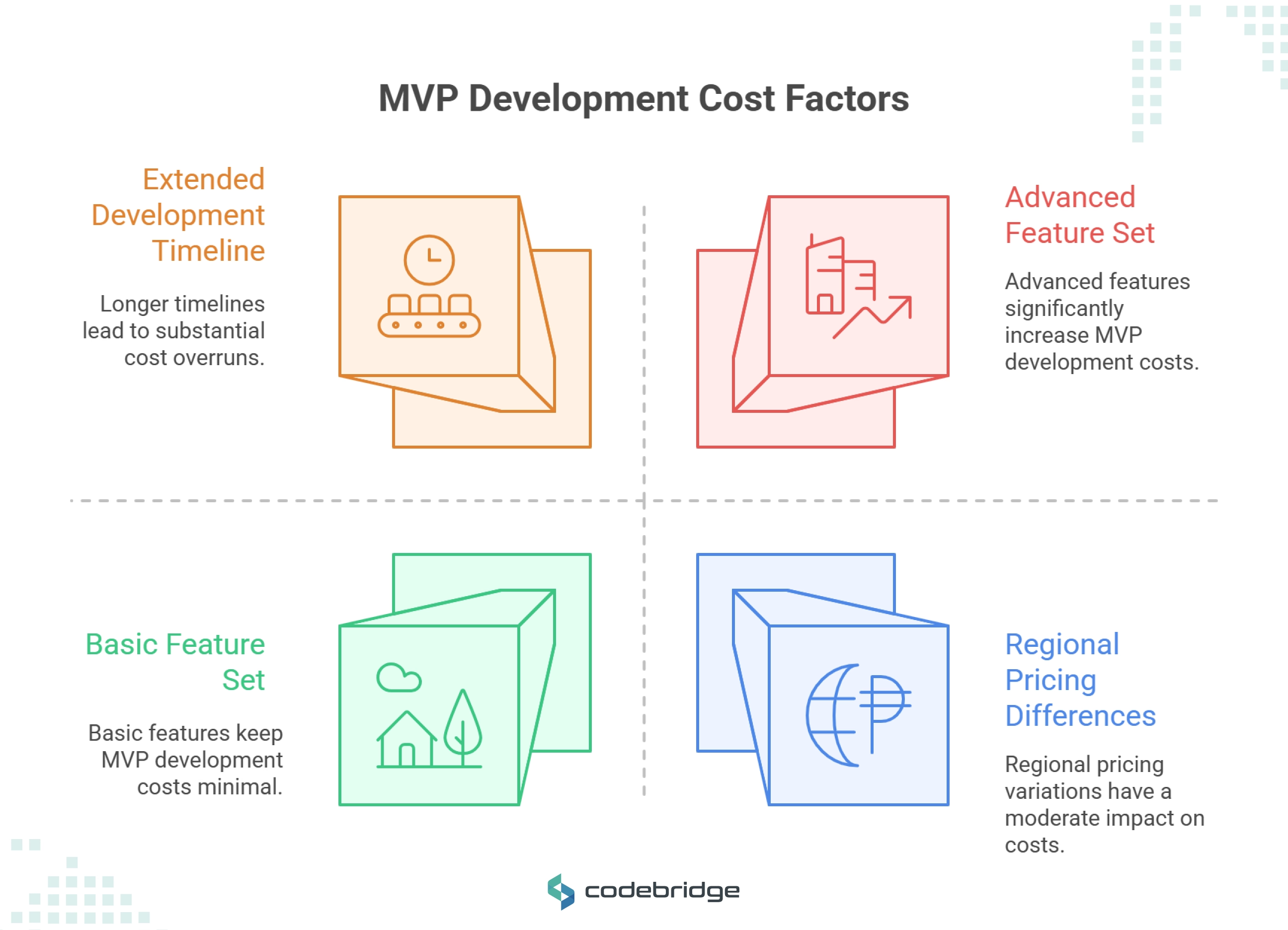
- Project Complexity: Simple vs. complex MVPs.
- Agency Location: Regional pricing differences.
- Development Timeline: Extended durations often cost more.
- Feature Set: Basic features vs. advanced functions.
- Technology Stack: The choice of technologies used.
By considering these factors, startups can better estimate costs and choose an agency that aligns with their financial framework.
Common Pitfalls to Avoid When Hiring an MVP Agency
Hiring a minimum viable product agency comes with its challenges. Understanding potential pitfalls can save startups from costly mistakes. The process requires thorough research and clear communication to ensure success.
One common mistake is neglecting to verify the agency's experience in your industry. Agencies with relevant experience can navigate specific challenges effectively. Additionally, failing to assess the agency's communication style can lead to misunderstandings.
Important pitfalls to avoid include:
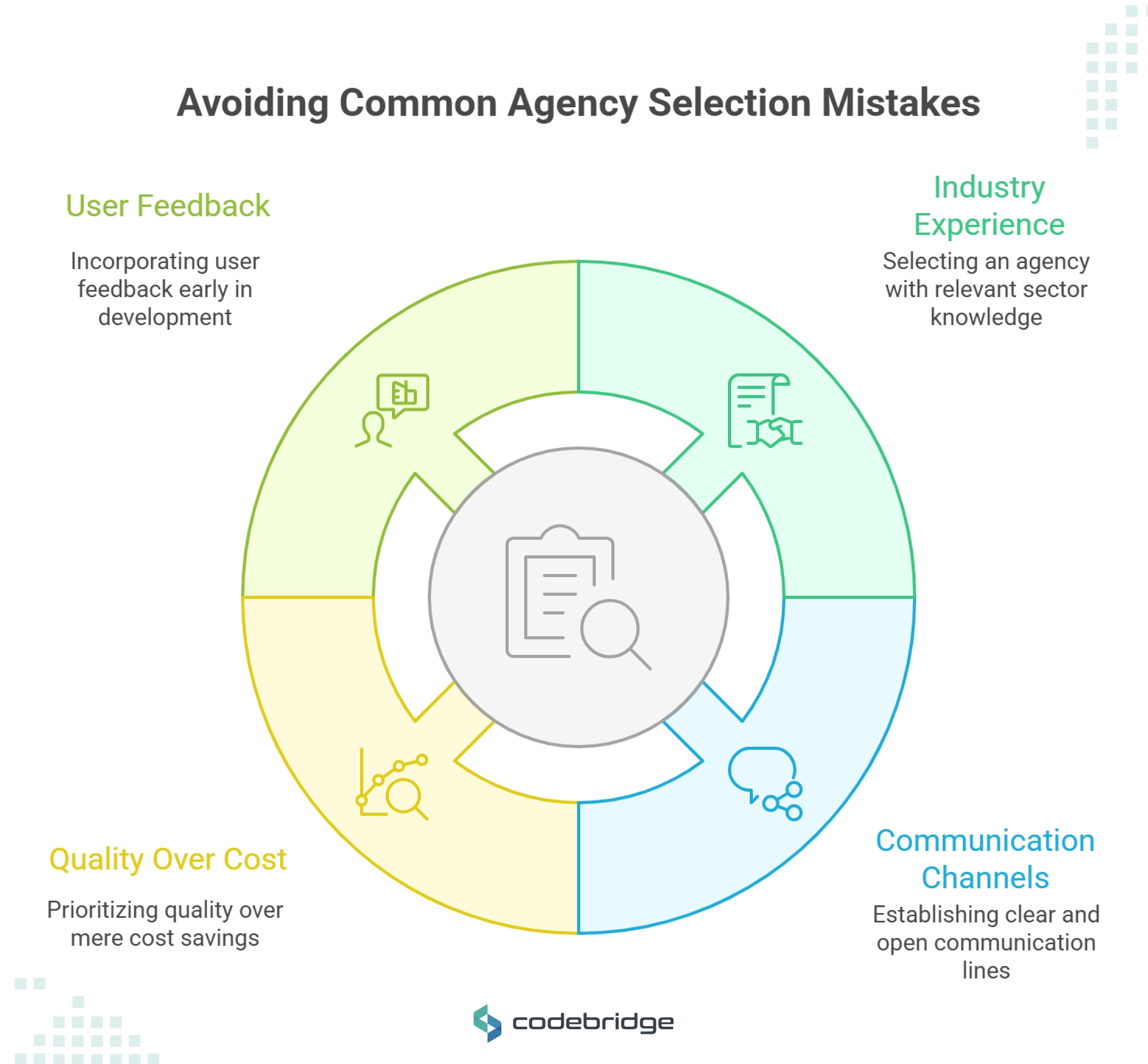
- Ignoring Industry Experience: Choosing an agency unfamiliar with your sector.
- Overlooking Communication: Not establishing clear communication channels.
- Focusing Solely on Cost: Prioritizing low cost over quality.
- Neglecting Feedback: Disregarding early user feedback in development.
By avoiding these traps, startups can establish a strong partnership with an MVP development agency, ultimately paving the way for a successful product launch.
Conclusion
Selecting the right MVP development agency is crucial for a startup's success. It requires careful evaluation of experience, communication skills, and client feedback. The ideal agency acts as a partner, guiding you from initial concept to market launch.
Informed choices can accelerate a startup’s journey, leading to a competitive edge in the market. By understanding potential pitfalls and focusing on essential criteria, you can find an agency that aligns with your vision and goals. The right partnership transforms ideas into reality, ensuring your product meets both market needs and user expectations.
Ready to Build Your MVP With a Trusted Partner? Codebridge helps startups turn early-stage ideas into market-ready products with speed, clarity, and technical excellence. Let’s bring your vision to life!
FAQ
What is an MVP development agency?
An MVP development agency specializes in building minimum viable products—streamlined versions of digital products created to validate ideas with real users. These agencies help startups test concepts before committing to full-scale development.
A strong MVP agency delivers:
- Product strategy
- UX/UI design
- Core feature development
- Testing and user feedback
Working with an MVP agency helps startups reduce risks, validate ideas faster, and enter the market more confidently.
Why startups should work with an MVP development agency?
Partnering with an MVP development agency gives startups access to professionals who understand how to build and validate products quickly.
Key benefits include:
- Faster time-to-market
- Cost-effective development
- Early market validation
- Reduced risk through iterative testing
This collaboration allows startups to launch smarter, iterate faster, and scale effectively.
What are the key qualities of a top MVP development agency?
A high-performing MVP development agency blends technical skill with deep product understanding. When evaluating agencies, look for:
- Proven MVP experience
- Agile development processes
- User-centric design principles
- Strong testing and iteration practices
- Clear and transparent communication
These qualities directly influence the success and market readiness of your MVP.
How to choose the best MVP development agency?
Selecting the right agency requires evaluating several important factors:
- Portfolio and case studies
- Technical expertise
- Industry knowledge
- Communication style
- Cultural and workflow alignment
Assessing these elements ensures you select an agency that fits your vision, goals, and product needs.
How much does MVP development cost?
The cost of MVP development varies depending on project scope, complexity, and required technologies. Key cost factors include:
- Complexity of features
- Technology stack
- Agency location
- Development timeline
Typical MVPs range from $10,000 to $150,000+, depending on requirements. Understanding these variables helps startups budget accurately and choose the right partner.
Whar are the common mistakeswhen hiring an MVP development agency?
Hiring the wrong agency can lead to delays, extra costs, and an MVP that fails to validate your idea. Avoid these pitfalls:
- Choosing based on price alone
- Overlooking communication issues
- Not reviewing portfolios or case studies
- Ignoring industry experience
- Skipping user testing and feedback
Avoiding these mistakes ensures a smoother development process and increases your chances of launching a successful MVP.












Heading 1
Heading 2
Heading 3
Heading 4
Heading 5
Heading 6
Lorem ipsum dolor sit amet, consectetur adipiscing elit, sed do eiusmod tempor incididunt ut labore et dolore magna aliqua. Ut enim ad minim veniam, quis nostrud exercitation ullamco laboris nisi ut aliquip ex ea commodo consequat. Duis aute irure dolor in reprehenderit in voluptate velit esse cillum dolore eu fugiat nulla pariatur.
Block quote
Ordered list
- Item 1
- Item 2
- Item 3
Unordered list
- Item A
- Item B
- Item C
Bold text
Emphasis
Superscript
Subscript