


Mobile Real Estate Apps Convert 300% Better With These 7 Features
Here's a number that should stop you cold: 76% of homebuyers[1] now use mobile devices to hunt for properties. Yet the average real estate website converts at just 4.7%[2]. That gap represents thousands of leads slipping through your fingers every month. Your Figma designs look great, Meghan. But pretty screens don't pay the bills. Conversion does.
Key Takeaways
- Mobile-first design now drives 80% of real estate website traffic[3], making UX optimization non-negotiable for your app launch
- Custom real estate apps with CRM integration have achieved 300% higher lead conversion rates[1] compared to standard mobile sites
- Fast-loading pages deliver 30% higher conversion rates[3] in real estate, so every second of load time matters
- Top performers like Zillow exceed 5% CVR[4] while most real estate sites sit at 2%, proving the ceiling is much higher than industry average
- Realtors using CRM systems see a 41% increase in lead conversions[2] through organized tracking alone
The Problem Most Miss
Everyone talks about mobile optimization. Few understand what it actually means for lead conversion. Your real estate agents don't just need a responsive design. They need an app that identifies buyer intent and acts on it before the competition does.
Consider what HomeStack discovered when building custom apps for realtors. The common assumption was that speed wins everything. Get the listings loading fast and conversions follow. But that's only half the story. HomeStack's users saw their lead conversion rates jump by 300%[1] after implementing buyer analytics and CRM integration. Speed got people in the door. Analytics told agents which visitors were ready to buy.
Here's the kicker. Most PropTech startups pour resources into front-end polish while ignoring the backend systems that actually move leads through the funnel. Your agents need to know when a buyer saves their fifth listing in the same neighborhood. That behavioral data converts. A beautiful property carousel doesn't.
What the Data Shows
The numbers paint a clear picture of where your mobile app needs to focus. 50% of homebuyers[2] use mobile devices during property browsing. Some sources put that figure even higher at 76%[1]. Either way, mobile isn't optional for your target market.
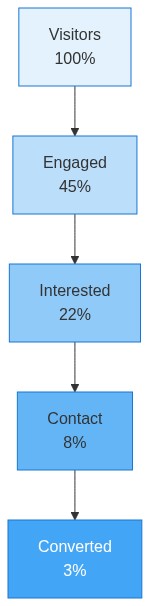

But not all traffic converts equally. Organic search delivers a 3.2% conversion rate[4] in real estate. Paid search? Just 1.5%. That's counterintuitive. Most teams assume paid traffic converts better because you're paying for intent. The data says otherwise. Users who find you organically trust you more.
The performance gap between average and excellent is massive. While most real estate websites convert at around 2%, platforms like Zillow and Realtor.com exceed 5% CVR[4]. What separates them? Mobile UX optimization and smart search features that reduce friction. They've invested heavily in understanding how buyers actually search on small screens.
One stat your development team needs to internalize: fast-loading pages generate 30% higher conversion rates[3]. Every image, every animation, every API call in your Figma design needs scrutiny. Will it slow the load time on a 4G connection? If yes, reconsider its value.
The 2026 Shift
Three trends will define PropTech mobile apps in 2026. Get ahead of them now and your startup gains serious competitive advantage.
Personalized buyer analytics move to center stage. Generic listing feeds are dying. In 2026, winning apps will track buyer behavior patterns and serve personalized recommendations. HomeStack's custom apps already do this, identifying high-intent leads through engagement patterns rather than just contact form submissions. Engagement over speed[5] becomes the new optimization priority.
Push notifications and virtual tours become standard, not premium. The data is clear: 97% of buyers search online[1] with 76% using mobile. They expect instant updates when new listings match their criteria. Apps that nail push notification timing will slash buyer search times by up to 60%.
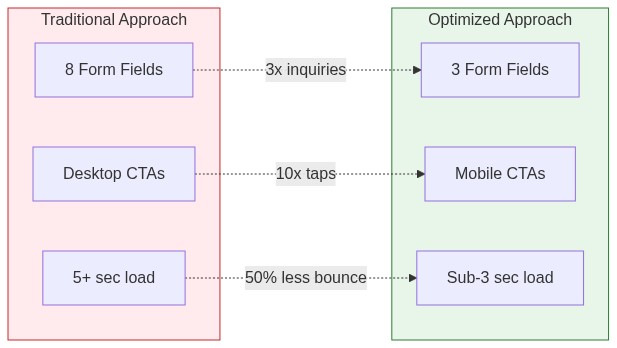
AI-driven lead scoring changes agent workflows. Not all leads deserve equal attention. 2026 apps will automatically score leads based on behavior signals. Which buyers viewed the mortgage calculator? Who clicked on school district info repeatedly? These signals help agents prioritize follow-up and improve conversion efficiency.
Practical Framework
Here's your seven-step action plan for maximizing lead conversion in your mobile app. Each item includes a specific benchmark to hit.
- Optimize load time to under 3 seconds. Target the 30% conversion lift[3] that fast pages deliver. Audit your Figma designs for heavy assets that will slow performance.
- Integrate CRM from day one. Don't bolt it on later. Agents with CRM see 41% more conversions[2]. Build lead tracking into your core architecture.
- Implement behavioral analytics. Track saved listings, search patterns, and time on page. HomeStack proved this approach can drive 300% conversion improvements[1].
- Design for thumb zones. Your primary CTAs need to sit where thumbs naturally rest. The 80% of traffic[3] coming from mobile expects effortless navigation.
- Build smart push notifications. Trigger alerts based on saved search matches, price drops, and new listings in favorited areas. Don't spam. Target a 5% click-through rate on notifications.
- Prioritize organic search optimization. Since organic converts at 3.2% versus 1.5% for paid[4], invest in SEO and content that drives organic app discovery.
- Set your CVR target at 5% or higher. That's where Zillow and Realtor.com operate[4]. Anything below that means you've left optimization opportunities on the table.
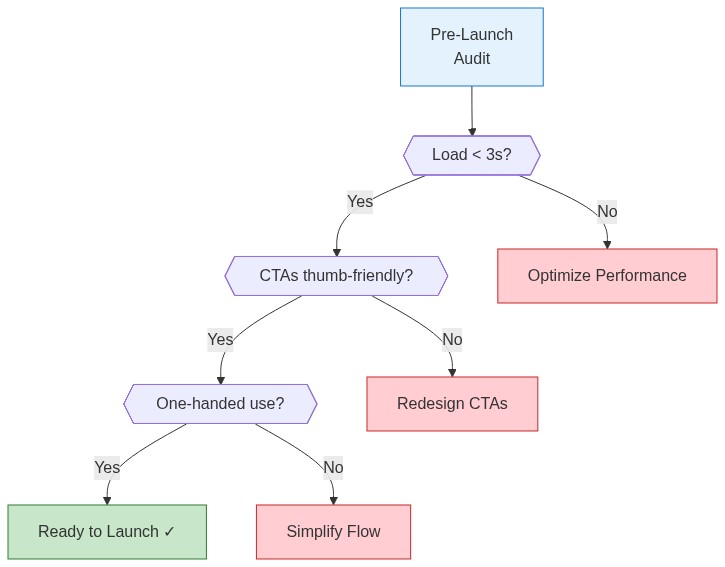
The bottom line? Your Figma designs are just the starting point. The features you build around those designs will determine whether your app becomes a lead conversion machine or another pretty interface that underperforms. Focus on the metrics that matter. Build for how buyers actually behave on mobile. And give your agents the tools they need to identify and close high-intent leads.
References
[1]HomeStack, Top 7 Tech Features Every Realtor Needs to Convert Leads, 2025
[2]Amra & Elma, Top 20 Realtor Marketing Statistics, 2025
[3]Resimpli, 89+ Real Estate Marketing Statistics, 2025
[4]Promodo, Real Estate Marketing Metrics & Benchmarks, 2025
[5]FullStory, Data-Backed Mobile App Trends, 2025
Heading 1
Heading 2
Heading 3
Heading 4
Heading 5
Heading 6
Lorem ipsum dolor sit amet, consectetur adipiscing elit, sed do eiusmod tempor incididunt ut labore et dolore magna aliqua. Ut enim ad minim veniam, quis nostrud exercitation ullamco laboris nisi ut aliquip ex ea commodo consequat. Duis aute irure dolor in reprehenderit in voluptate velit esse cillum dolore eu fugiat nulla pariatur.
Block quote
Ordered list
- Item 1
- Item 2
- Item 3
Unordered list
- Item A
- Item B
- Item C
Bold text
Emphasis
Superscript
Subscript










.avif)



.avif)

.avif)