RadFlow AI - KI-gestützter Radiologie-Workflow-Assistent
Verkürzung der CT-Befundungszeit um 38 % durch nahtlose KI-Integration und leistungsstarkes DICOM-Rendering*


Ein führendes Netzwerk für diagnostische Bildgebung mit 12 radiologischen Zentren in drei Bundesstaaten stand vor einem kritischen Wendepunkt: Das Scan-Volumen wuchs jährlich um 22 %, während die Anzahl der Radiologen stagnierte. Die Folge waren zunehmende Überlastung, steigende Bearbeitungszeiten (TAT, die vertragliche SLAs um 15 % überschritten) und eine messbare Verschlechterung der Erkennungsgenauigkeit bei Spätschichtbefundungen.
Codebridge wurde beauftragt, einen HIPAA-konformen, Cloud-nativen, KI-gestützten Diagnose-Arbeitsbereich zu entwickeln, der in bestehende PACS integriert ist und Computer Vision direkt in den klinischen Workflow integriert, ohne die bestehende PACS-Infrastruktur zu stören oder Radiologen zum Erlernen neuer Tools zu zwingen. Der Auftrag war klar: menschliche Expertise zu erweitern, niemals zu ersetzen.
Im Rahmen eines 24-wöchigen Projekts lieferte ein achtköpfiges Codebridge-Team eine produktionsreife „Human-in-the-Loop“-Plattform, die die durchschnittliche CT-Befundungszeit von 15,2 auf 9,4 Minuten reduzierte (ein Effizienzgewinn von 38 %), eine 96%ige Sensitivität bei der Erkennung von Knoten unter 4 mm beibehielt und eine Bildwiedergabe in unter einer Sekunde erreichte, selbst über Satellitenverbindungen mit geringer Bandbreite, die von den ländlichen Teleradiologie-Standorten des Kunden genutzt werden.
Die Lösung bestand eine unabhängige klinische Validierungsstudie (n=2.400 Scans, doppelblinde Ausführung), ist im Einklang mit den FDA-Regulierungsrichtlinien für Software als Medizinprodukt (SaMD) der Klasse II konzipiert und ist seit über 9 Monaten ohne gemeldete kritische Systemausfälle in Betrieb.
Kundenprofil & Strategischer Kontext
Der Kunde ist ein privat geführtes Netzwerk für diagnostische Bildgebung mit einem jährlichen Umsatz im dreistelligen Millionenbereich. Es fungiert als vertraglicher Radiologieanbieter für mehrere Krankenhaussysteme und ein großes Netzwerk ambulanter Bildgebungszentren in mehreren Bundesstaaten. Ihr Betrieb verarbeitet wöchentlich über 500 Thorax-CT-Scans, wobei saisonale Spitzenwerte in Zeiten erhöhter Atemwegserkrankungen 700 Scans überschreiten.
Wettbewerbsdruck & Marktdynamik
Der Markt für diagnostische Bildgebung befindet sich in einem strukturellen Wandel. Die Erwartungen der überweisenden Ärzte an die Bearbeitungszeit haben sich von 48 Stunden auf die Befundung am selben Tag für Routineuntersuchungen verkürzt. Gleichzeitig zeigen nationale Arbeitsmarktanalysen einen wachsenden Radiologenmangel auf, der durch steigende Bildgebungs-Volumina und den Ärzteschwund verursacht wird. Für den Kunden war eine bloße Personalaufstockung keine nachhaltige Lösung – sie benötigten einen skalierbaren Technologie-Multiplikator.
Strategische Ziele
Der Kunde definierte vier nicht verhandelbare Erfolgskriterien:
- Die durchschnittliche CT-Befundungszeit um mindestens 25 % reduzieren, ohne die diagnostische Sensitivität zu beeinträchtigen.
- Eine nahtlose Integration in die bestehenden Enterprise-PACS und strukturierten Befundungssysteme aufrechterhalten.
- Die Lösung gemäß den Entwicklungsstandards IEC 62304 und ISO 13485 konzipieren, um einen zukünftigen FDA 510(k)-Zulassungsweg zu unterstützen.
- Die vollständigen Rechte am geistigen Eigentum an allen trainierten Modellen und gesammelten Datensätzen behalten.
Die Herausforderung: Ein mehrdimensionales Einschränkungssystem
In einer fokussierten Analysephase arbeitete unser Team für klinische Technik mit Radiologen an mehreren Standorten zusammen, um die betrieblichen, technischen und regulatorischen Reibungspunkte in deren CT-Arbeitsablauf zu verstehen. Was sich zeigte, war kein einzelner Engpass, sondern ein vielschichtiges Systemproblem – eines, das nicht durch den Einsatz eines weiteren eigenständigen KI-Algorithmus gelöst werden konnte.

Workflow-Fragmentierung und kognitive Belastung
Radiologen mussten gleichzeitig in mehreren voneinander getrennten Systemen arbeiten: dem primären PACS-Viewer für die Bildbefundung, einer separaten KI-Schnittstelle außerhalb des Haupt-Viewers und einem Spracherkennungssystem für die Befunderstellung.
Diese fragmentierte Umgebung führte zu einem ständigen Mehraufwand durch Kontextwechsel – was oft mehrere Minuten pro Untersuchung in Anspruch nahm – und zwang die Ärzte dazu, KI-Ergebnisse manuell mit der primären Bildgebungsschnittstelle abzugleichen.
Zeit- und Bewegungsanalysen ergaben, dass etwa ein Drittel der gesamten Befundungszeit für nicht-interpretative Aufgaben aufgewendet wurde: das Navigieren zwischen Systemen, die räumliche Neuorientierung nach Fensterwechseln, das manuelle Übertragen von Messwerten in strukturierte Berichte und das Überprüfen externer KI-Annotationen.
Der Preis dafür war nicht nur zeitlicher, sondern auch kognitiver Natur. Die Forschung zur Unterbrechungswissenschaft zeigt, dass selbst kurze Kontextwechsel die diagnostische Aufmerksamkeit beeinträchtigen. In Umgebungen mit hohem Arbeitsaufkommen trägt diese kumulative kognitive Belastung direkt zu Ermüdung, Interpretationsvariabilität und Burnout bei.
Wie es eine Führungskraft aus dem klinischen Bereich während der Analyse zusammenfasste:
„Wir brauchten keinen weiteren Black-Box-Algorithmus. Wir brauchten einen Arbeitsplatz, der die tatsächliche Denk- und Arbeitsweise von Radiologen unterstützt.“

Datengravitation & Rendering-Latenz
Hochauflösende Thorax-CT-Untersuchungen erzeugen routinemäßig Hunderte von DICOM-Instanzen pro Fall, wobei vollständige Datensätze oft mehrere hundert Megabyte überschreiten.
Die bestehende Remote-Access-Infrastruktur des Kunden verursachte während der Stoßzeiten erhebliche Latenzzeiten. Die anfänglichen Ladezeiten für Untersuchungen überschritten häufig akzeptable Grenzwerte, und die Scroll-Performance verschlechterte sich bei Netzüberlastung – insbesondere an ländlichen Teleradiologie-Standorten, die über bandbreitenarme Satellitenverbindungen angebunden sind.
Während saisonaler Spitzen bei Atemwegserkrankungen führten diese Einschränkungen zu wachsenden Rückständen, verzögerten Befundungszeiten und einer verstärkten Abhängigkeit von Bereitschaftsdiensten außerhalb der regulären Arbeitszeiten.
Dies war nicht nur ein Netzwerkproblem, sondern ein architektonisches. Jedes KI-Overlay musste große volumetrische Datensätze verarbeiten und gleichzeitig eine Interaktionsgeschwindigkeit im Subsekundenbereich innerhalb des primären Arbeitsbereichs des Radiologen gewährleisten.

Falsch-positive Ergebnisse und Vertrauensverlust
Der Kunde hatte zuvor bereits mehrere kommerzielle KI-Lösungen getestet. Obwohl diese technisch funktionierten, erzeugten sie eine hohe Anzahl an falsch-positiven Ergebnissen, insbesondere bei postoperativen Veränderungen, granulomatösen Erkrankungen und Bewegungsartefakten.
Jedes falsch-positive Ergebnis erforderte eine manuelle Überprüfung und Dokumentation – was den Arbeitsaufwand effektiv erhöhte, anstatt ihn zu verringern.
Besorgniserregender waren die Auswirkungen auf das Verhalten der Kliniker. Mit der Zeit berichtete die Mehrheit der Radiologen, dass sie sich angewöhnt hatten, KI-Ergebnisse ohne Prüfung zu verwerfen. In solchen Fällen fungiert die KI nicht mehr als Produktivitätssteigerung, sondern wird zu einem Haftungsrisiko.
Ein KI-System, das routinemäßig ignoriert wird, bietet keinen operativen Mehrwert.

Regulatorischer Rahmen und Compliance
Über die Workflow- und Leistungsanforderungen hinaus musste die Lösung innerhalb eines strengen regulatorischen Rahmens operieren.
Dies umfasste:
- HIPAA- und HITECH-Anforderungen für geschützte Gesundheitsdaten
- Einhaltung der Software-Lebenszyklusprozesse gemäß IEC 62304
- Entwicklungsrückverfolgbarkeit kompatibel mit einem zukünftigen FDA 510(k)-Zulassungsweg
- Vollständige Audit-Protokollierung von Modellaktualisierungen und Bereitstellungsänderungen
- Beschränkungen bei der Handhabung von Teleradiologie-Daten auf Bundesstaatsebene
Die Vorgabe war eindeutig: Jegliche Leistungssteigerungen durften weder die Compliance-Struktur gefährden noch regulatorische Risiken mit sich bringen.
Umfang der Arbeit
Klinische Analyse & Architekturdefinition (Wochen 1-3)
Integrierte Analyse klinischer Arbeitsabläufe, Infrastruktur-Audit, Bewertung regulatorischer Lücken und formale Architekturdefinition, abgestimmt auf zukünftige FDA-Einreichungswege.
Plattformgrundlage & Sichere Infrastruktur (Wochen 4-8)
Entwicklung des diagnostischen Kern-Viewers mit DICOMweb-Integration, sicherem SSO (SAML), Bereitstellung von Cloud-Infrastruktur und IEC 62304-konformen Entwicklungsprozessen.
KI-Modellintegration & Workflow-Einbettung (Wochen 9–14)
Modelltraining und -optimierung auf großen CT-Datensätzen, Bereitstellung über Hochleistungs-Inferenz-Pipelines, Reduzierung von falsch positiven Ergebnissen und nahtlose Einbettung in den primären Arbeitsablauf des Radiologen.
Klinische Pilotphase & Leistungsoptimierung (Wochen 15–18)
Kontrollierte standortübergreifende Bereitstellung mit Feedbackschleifen aus der Praxis, UX-Optimierungen, Integration intelligenter Triage und Shadow-Mode-Validierung zur Leistungsbewertung im Vergleich zum bestehenden Arbeitsablauf.
Unabhängige Validierung & Unternehmensweite Einführung (Wochen 19–24)
Unabhängige klinische Validierungsstudie, Last- und Sicherheitstests, gestaffelte Bereitstellung an 12 Standorten, Schulung des Klinikpersonals und Vorbereitung der Dokumentation für die Abstimmung vor der FDA 510(k)-Einreichung.
Lösungsarchitektur: KI-gestützter diagnostischer Arbeitsbereich
Anstatt ein eigenständiges KI-Modell zu entwickeln, das von der klinischen Realität losgelöst ist, entwickelte Codebridge einen Cloud-nativen, KI-gestützten diagnostischen Arbeitsbereich, der darauf ausgelegt ist, parallel zur bestehenden PACS-Infrastruktur zu funktionieren und gleichzeitig Triage-, Erklärbarkeits- und Governance-Funktionen einzuführen.
Die Plattform fungiert als unabhängige webbasierte Bildgebungsumgebung, vollständig synchronisiert mit dem Vendor Neutral Archive (VNA) und den Berichtssystemen des Kunden. Radiologen nutzen weiterhin ihre bestehende PACS-Arbeitsliste, können aber jede Studie mit einem Klick über eine sichere SAML-Authentifizierung im KI-Arbeitsbereich öffnen.
Das Ergebnis ist kein Algorithmus – sondern eine vollständige Diagnoseschicht, die Interpretation, Priorisierung und Überwachung verbessert, ohne etablierte Arbeitsabläufe zu stören.
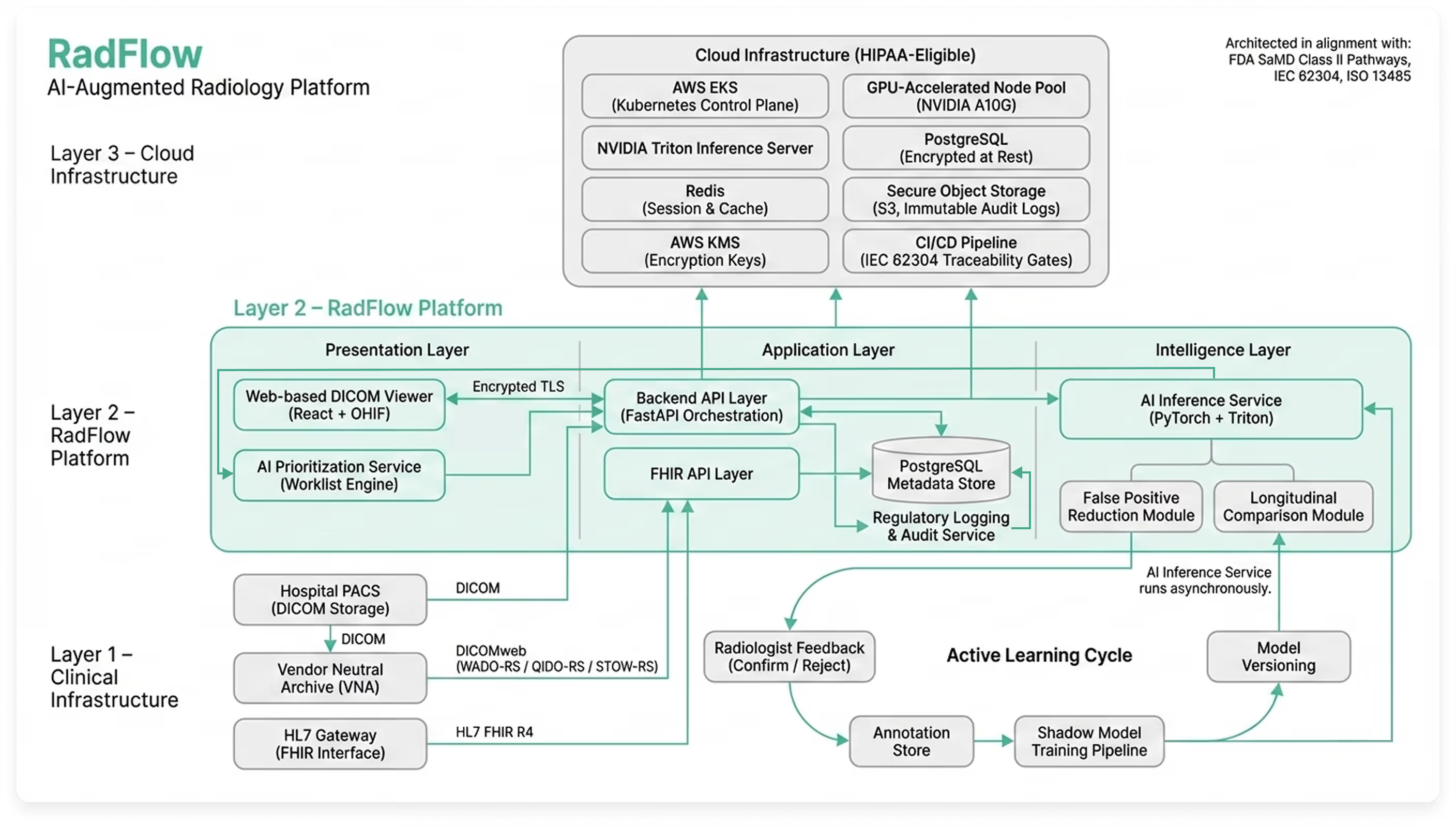
Vereinheitlichter diagnostischer Arbeitsbereich
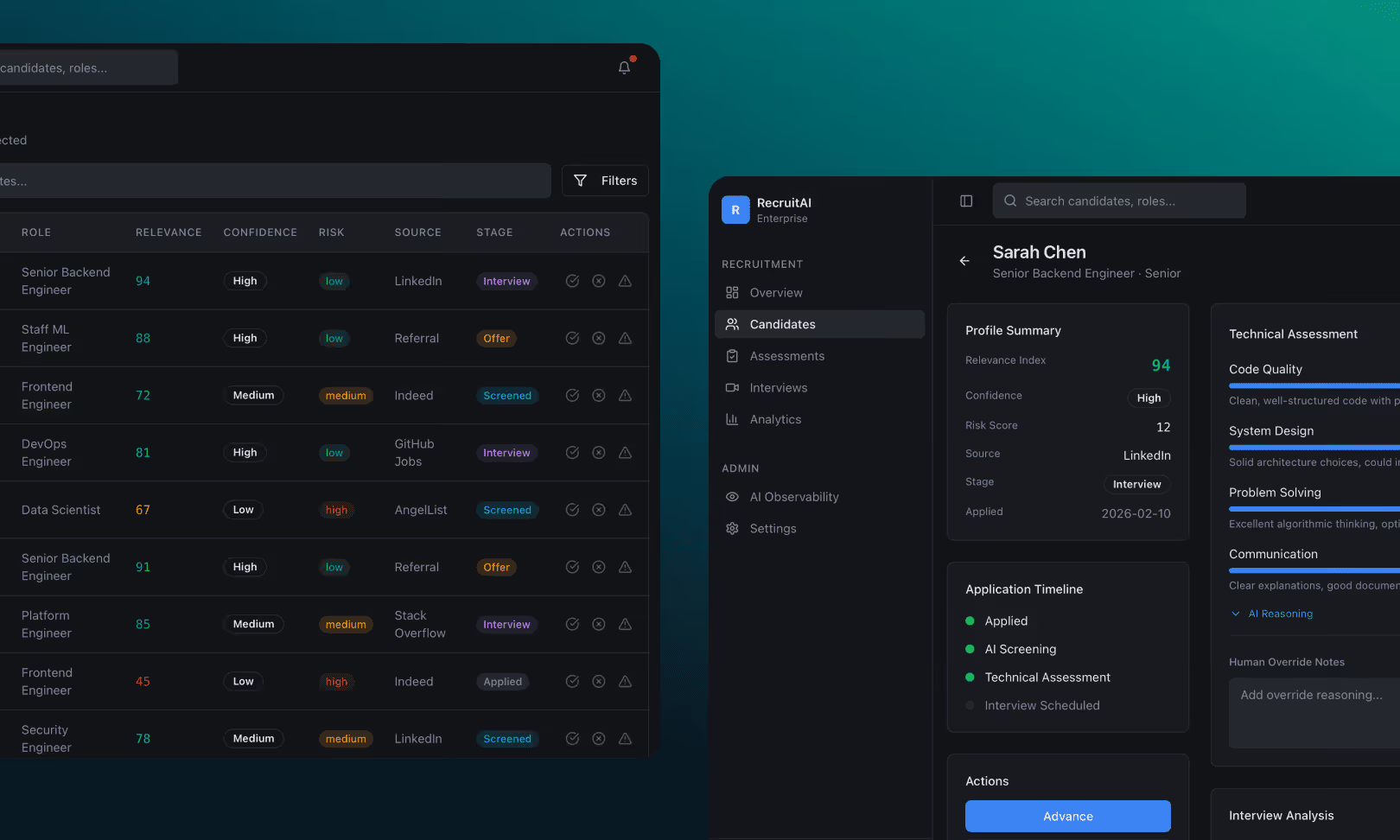
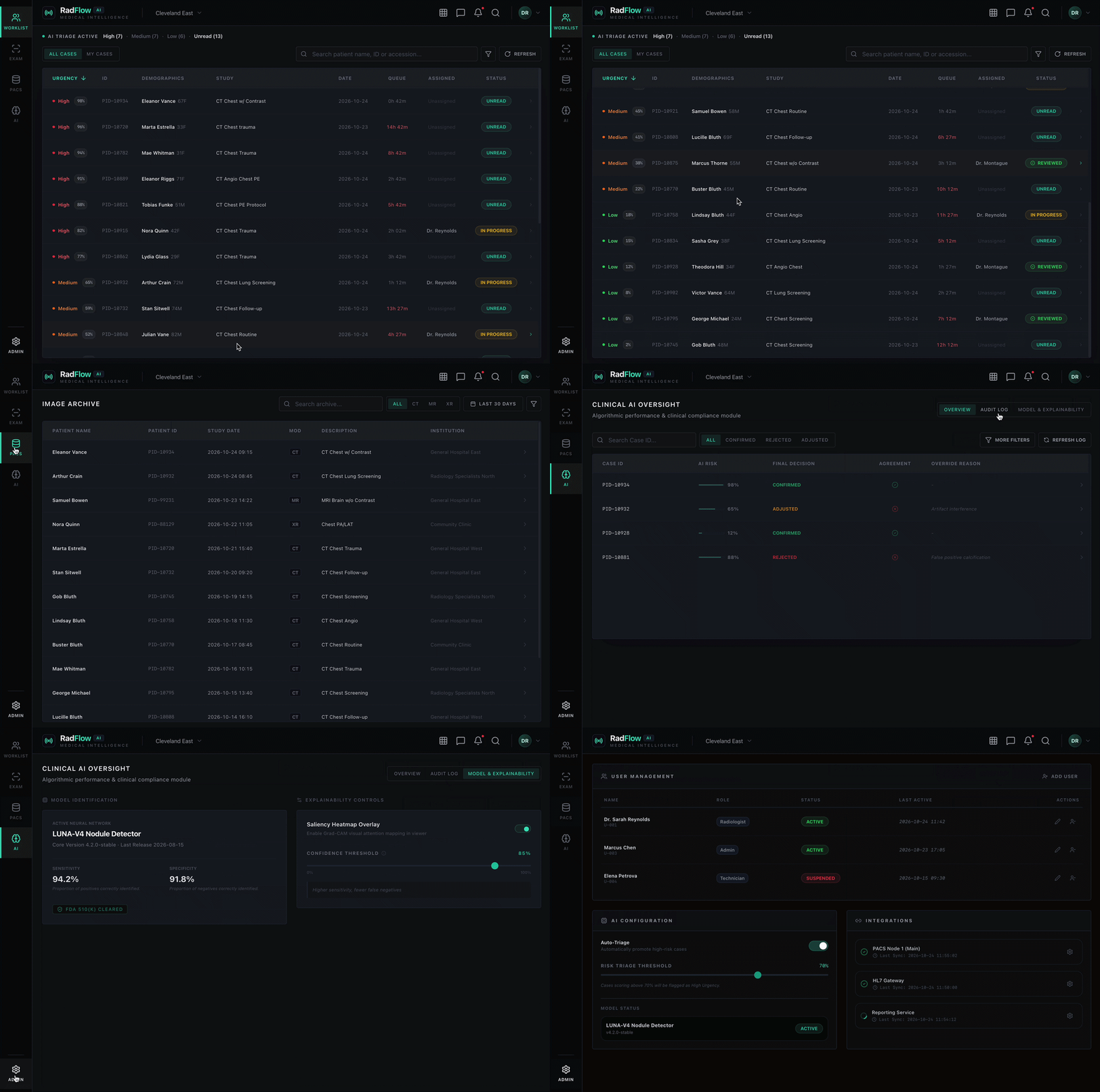
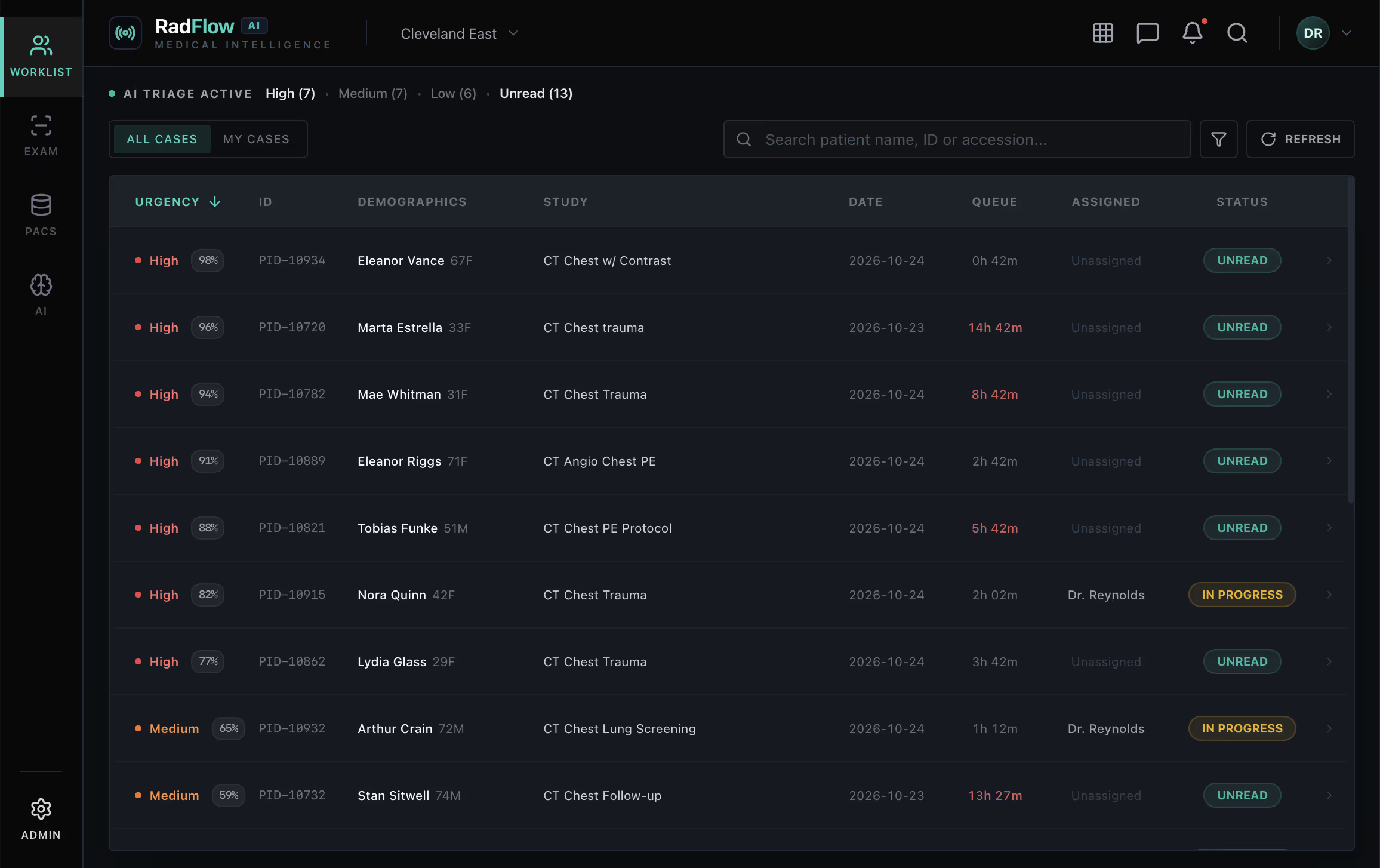
Die Plattform besteht aus fünf integrierten Modulen, die direkt in der Produktions-Benutzeroberfläche (UI) widergespiegelt werden:
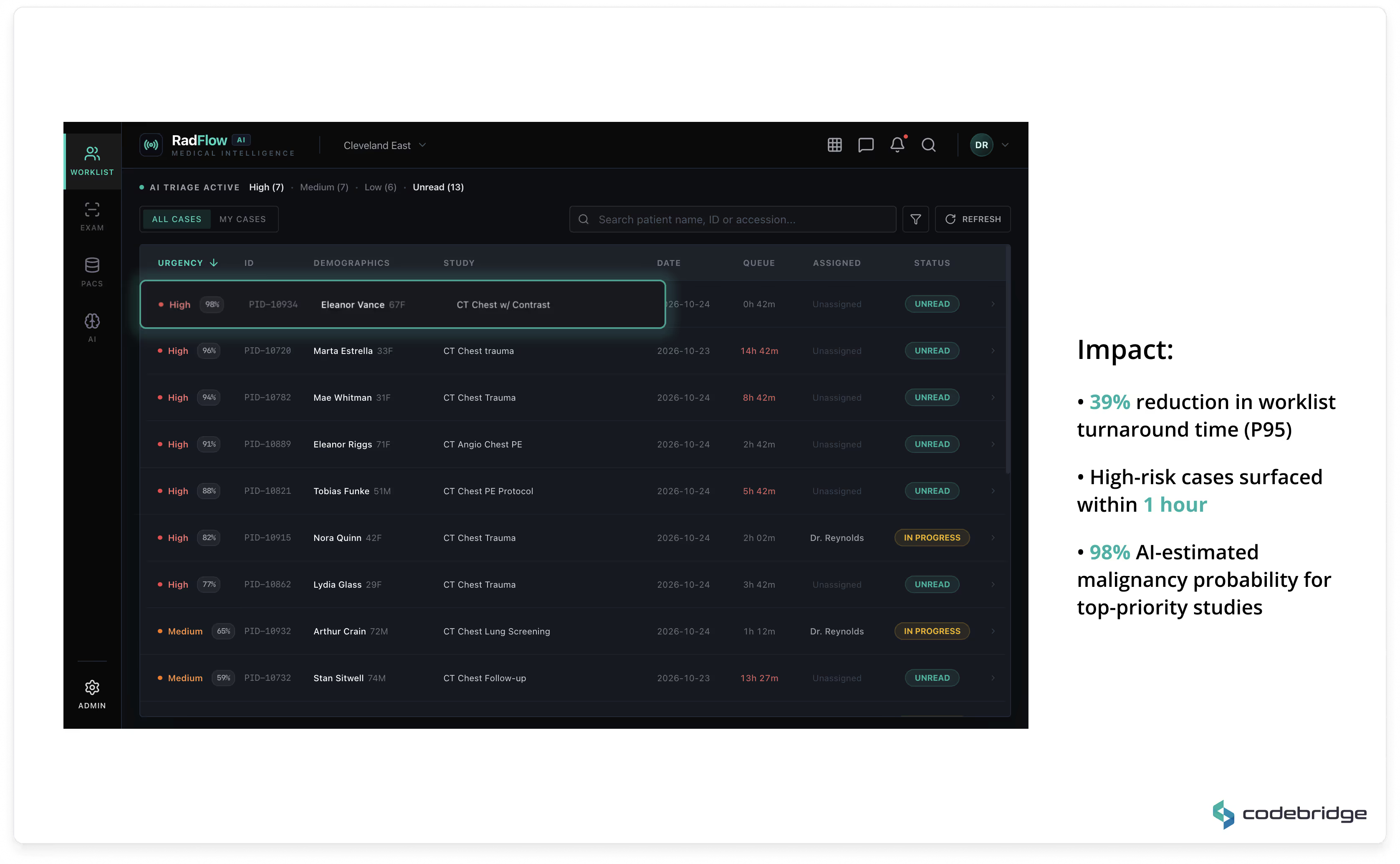
Arbeitsliste & KI-Triage
Eine Echtzeit-Prioritätenarbeitsliste ordnet Studien nach KI-geschätzter Malignitätswahrscheinlichkeit und Dringlichkeitsbewertung. Fälle mit hohem Risiko werden automatisch hochgestuft, was eine frühere Überprüfung bei hohem Scan-Aufkommen ermöglicht.
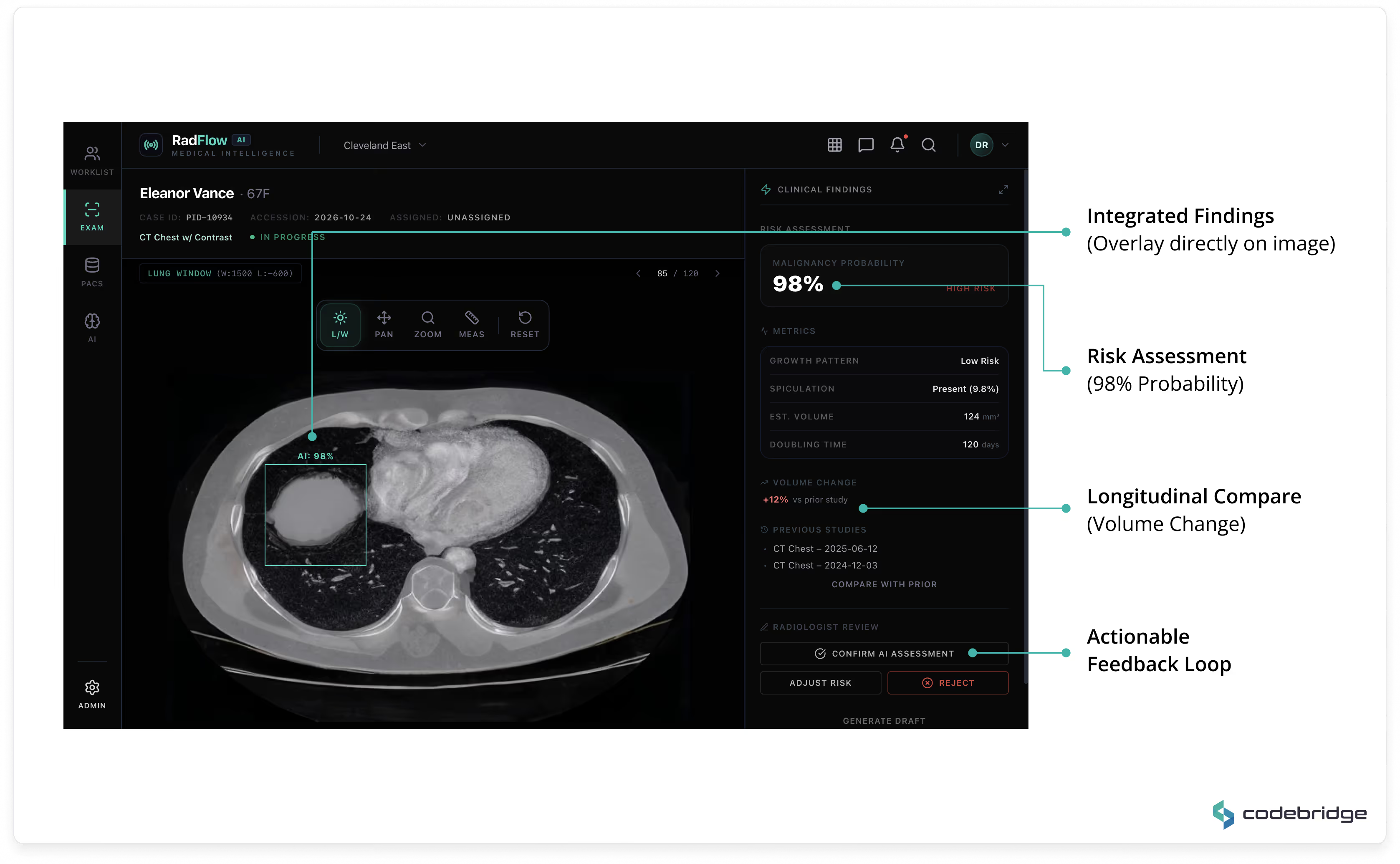
KI-erweiterter Viewer
Ein GPU-beschleunigter Web-Viewer (basierend auf OHIF und Cornerstone.js) unterstützt axiale, MPR- und volumetrische Darstellung direkt im Browser. KI-Erkennungen werden als strukturierte Overlays angezeigt mit:
- Malignitätswahrscheinlichkeit
- volumetrische Messungen
- Verdopplungszeit
- morphologische Deskriptoren
- Vergleich mit Vorstudien
Alle KI-Befunde können ein- und ausgeblendet werden und stehen vollständig unter der Kontrolle des Radiologen.
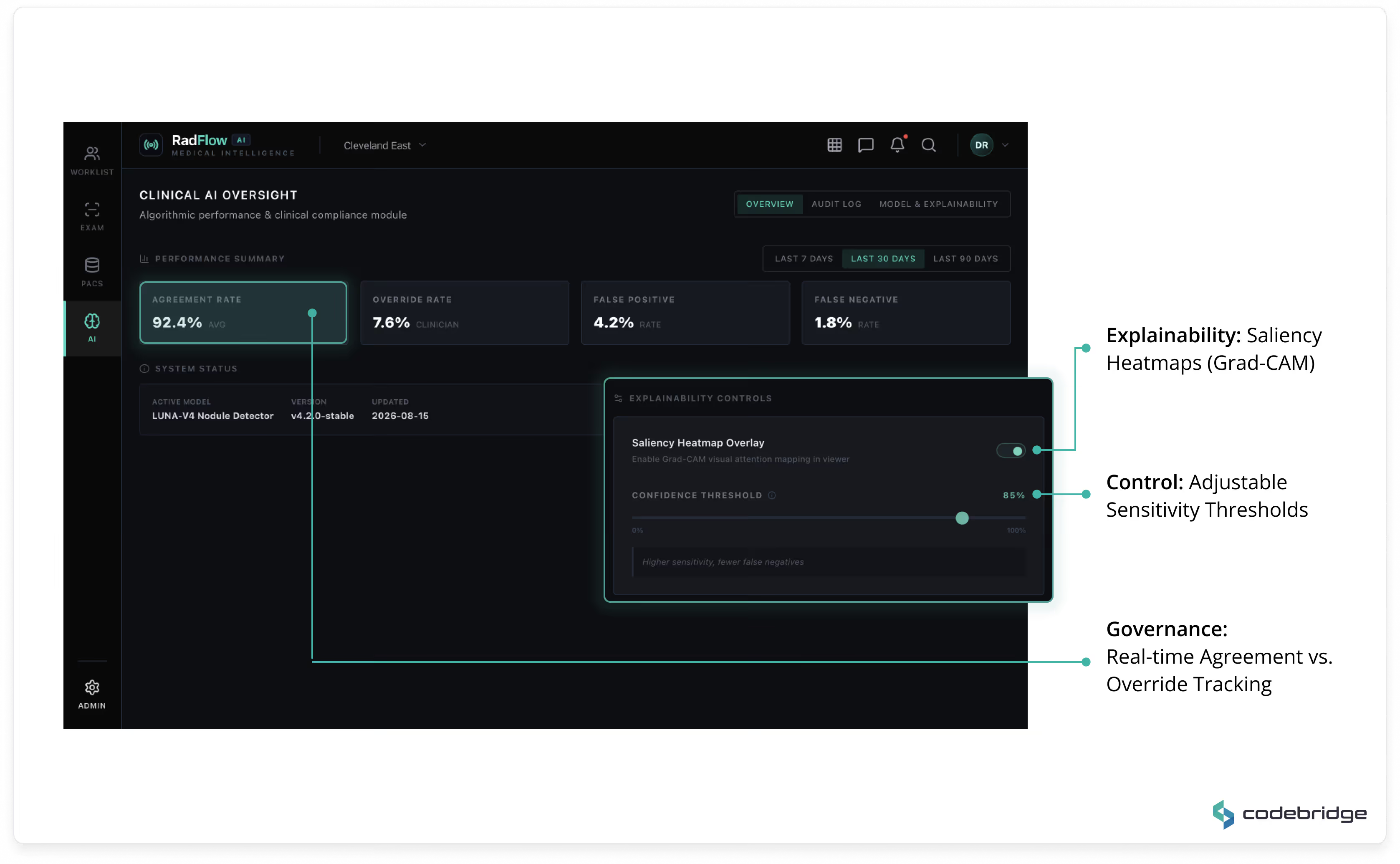
Klinisches KI-Überwachungsmodul
Ein Governance-Dashboard erfasst:
- Übereinstimmungsrate
- Übersteuerungsrate
- Metriken für falsch positive / falsch negative Ergebnisse
- Modellversionshistorie
- Erklärbarkeitskontrollen (Grad-CAM-Saliency-Maps)
- Konfiguration der Konfidenzschwelle
Dieses Modul gewährleistet eine transparente Leistungsüberwachung und regulatorische Nachvollziehbarkeit.
Audit- und Erklärbarkeits-Protokolle
Jede KI-gestützte Entscheidung wird protokolliert mit:
- Modellversion
- Zeitstempel
- Status der klinischen Übersteuerung
- Ablehnungsgrund (falls zutreffend)
Alle Änderungen werden in einem unveränderlichen Audit-Speicher gespeichert, der den regulatorischen Erwartungen entspricht.
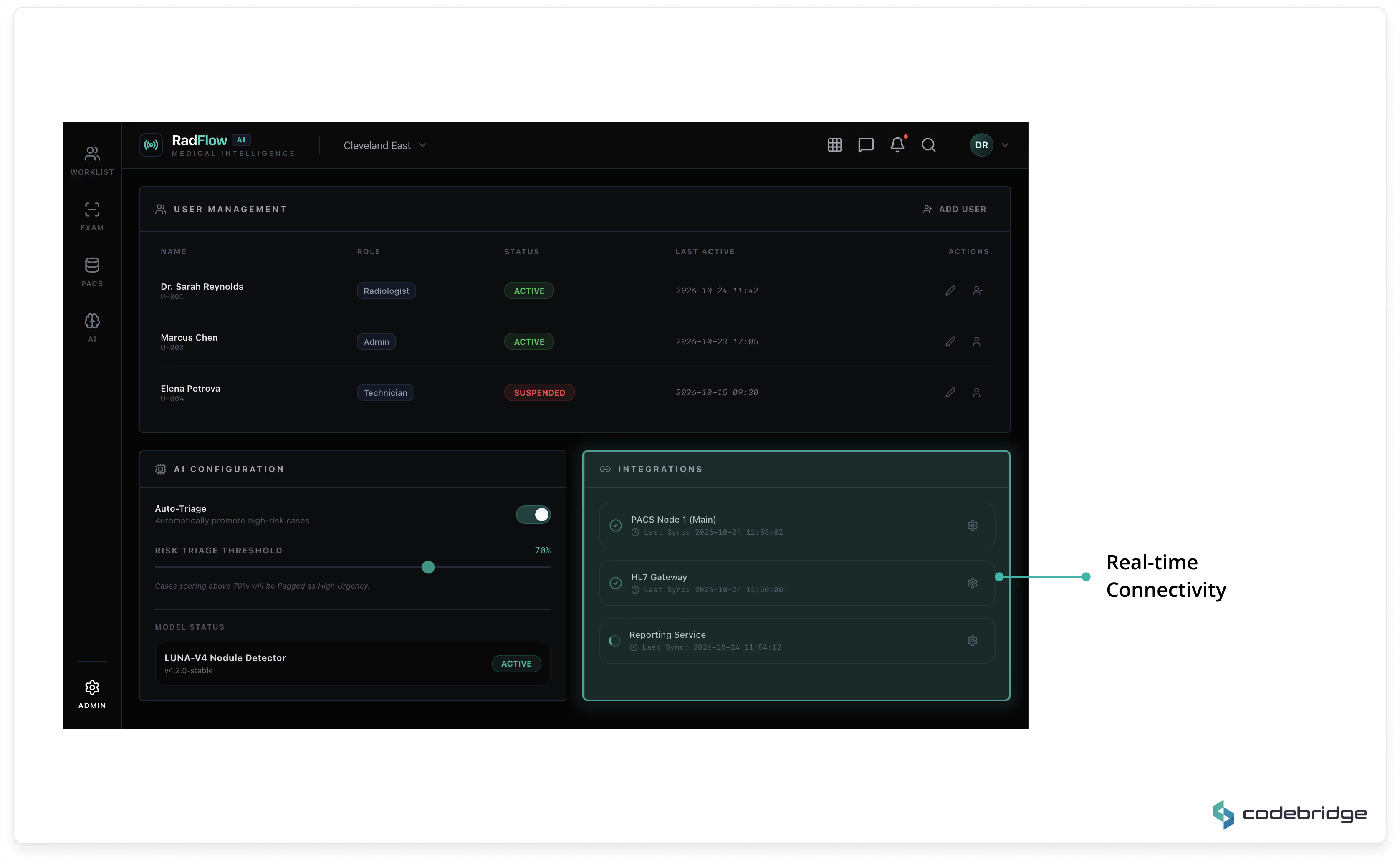
Administrations- und Integrationsschicht
Umfasst Benutzerverwaltung, rollenbasierte Zugriffskontrolle (RBAC), KI-Konfigurationseinstellungen und Überwachung der PACS/VNA-Integration.
Hochleistungs-Web-Bildgebungs-Engine
Der Viewer ist vollständig browserbasiert und erfordert keine lokale Installation.
Hauptmerkmale:
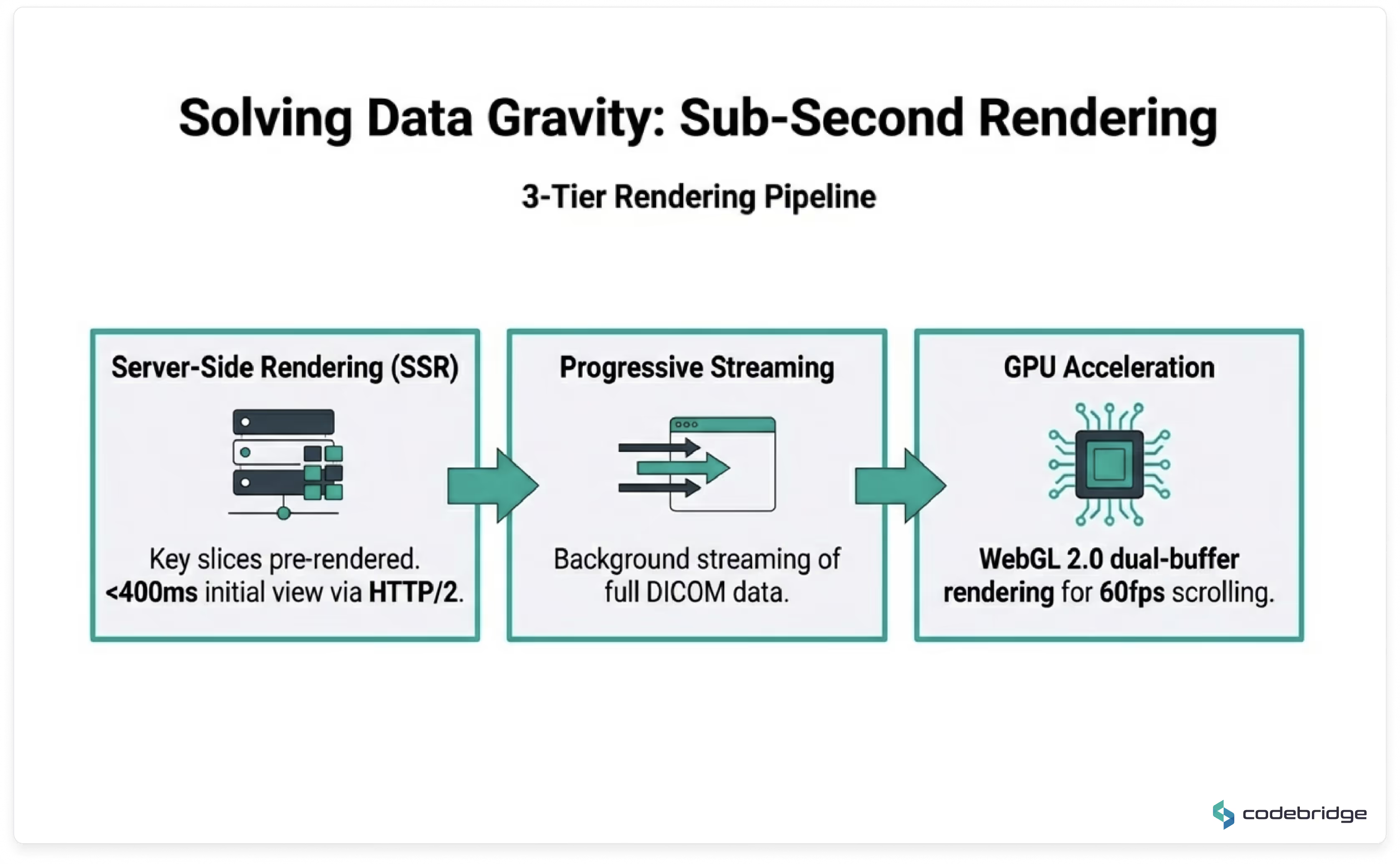
- Progressives DICOM-Streaming über DICOMweb (WADO-RS / QIDO-RS / STOW-RS)
- GPU-beschleunigtes Rendering mit WebGL 2.0
- Adaptive Bandbreitenkomprimierung für ländliche Satellitenstandorte
- Lokales Browser-Caching für kürzlich geöffnete Studien
- DICOM-Parsing im Hintergrund über WebWorkers
Durchschnittliche Zeit bis zur ersten Darstellung: < 400 ms in optimierten Netzwerken.
Navigation in unter einer Sekunde, sobald der vollständige Datensatz geladen ist.
Das System unterstützt dünnschichtige Thorax-CT-Studien (300–500 MB) ohne wahrnehmbare Blockierung der Benutzeroberfläche.
KI-Inferenz & Modell-Lebenszyklus
Die KI-Inferenz läuft asynchron bei der Aufnahme der Studie in das VNA ab.
Wenn ein Radiologe einen Fall öffnet, ist die KI-Analyse bereits verfügbar.
Modell-Design
- 3D Feature Pyramid Network (FPN)
- ResNet-50 Encoder-Backbone
- Optimiert für die Erkennung kleiner Läsionen (Noduli unter 4 mm)
- Netzwerk zur Reduzierung falsch-positiver Ergebnisse
- Longitudinales Vergleichsmodul zum Abgleich mit früheren Studien
Die anfängliche Falsch-Positiv-Rate wurde von 4,1 auf 0,8 pro Scan reduziert.
Nach 9 Monaten aktiven Lernens: weiter auf 0,4 reduziert.
Der Sensitivitäts-Benchmark wird bei 96 % gehalten.
Infrastruktur und Skalierbarkeit
Das System wird in einer HIPAA-konformen Cloud-Umgebung bereitgestellt.
Kernkomponenten:
- FastAPI-Backend
- PostgreSQL (klinische Metadaten)
- Redis (Caching/Sitzungsstatus)
- RabbitMQ (asynchrone Orchestrierung)
- NVIDIA Triton Inference Server auf AWS EKS
- GPU-Knoten mit Auto-Scaling-Richtlinien
Durchschnittliche End-to-End-Inferenzlatenz: ca. 47 Sekunden pro CT-Untersuchung.
Auto-Scaling gewährleistet eine kosteneffiziente GPU-Bereitstellung während saisonaler Spitzenlast.
Regulatorische und Compliance-Ausrichtung
Die Plattform wurde in Übereinstimmung mit den regulatorischen Pfaden der FDA für Software als Medizinprodukt (SaMD) der Klasse II konzipiert.
Der Entwicklungslebenszyklus umfasst:
- Rückverfolgbarkeit gemäß IEC 62304 in CI/CD
- ISO 13485-konformes Änderungsmanagement
- Umfassende Audit-Protokollierung
- Modellversionsverfolgung
- Hashing von Trainingsdatensätzen
- Unveränderliche Bereitstellungsprotokolle
Die Benutzeroberfläche enthält sichtbare Platzhalter für den FDA-Zulassungsstatus, um die Bereitschaft für die regulatorische Kennzeichnung nach der Validierung sicherzustellen.
Technologie-Stack
Jede Technologieentscheidung basierte auf drei Kriterien: klinische Zuverlässigkeit, regulatorische Rückverfolgbarkeit und langfristige Wartbarkeit ohne Anbieterbindung.
Teamzusammensetzung
Codebridge setzte ein funktionsübergreifendes Team von 8 Ingenieuren mit umfassendem Fachwissen in der medizinischen Bildgebung, regulatorischer Compliance und Hochleistungs-Webanwendungen ein.
Technologien, die wir in diesem Projekt verwenden
Schlüsselergebnisse & Klinische Auswirkungen
Alle unten aufgeführten Metriken wurden durch eine formelle 60-tägige Leistungsüberprüfung nach der Bereitstellung, durchgeführt vom Clinical AI Governance Board des Kunden, validiert und durch Ergebnisse einer unabhängigen doppelblinden klinischen Validierungsstudie ergänzt.
Verringerung der durchschnittlichen CT-Befundungszeit
Von 15,2 Minuten auf 9,4 Minuten pro Untersuchung – validiert an über 4.800 CT-Fällen.
Erkennungssensitivität für Knoten unter 4 mm
In einer doppelblinden Studie (n=2.400) validiert, wobei der vordefinierte Akzeptanzschwellenwert von 93 % übertroffen wurde.
Falsch-positive Ergebnisse pro Scan
Reduzierung von 4,1 (vorherige Anbieterlösung) auf 0,4 durch ein dediziertes Netzwerk zur Reduzierung von Fehlalarmen und 9 Monate aktives Lernen.
Zeit bis zum progressiven Rendering
70 % Leistungssteigerung gegenüber herkömmlichen VPN-basierten Viewern; voll funktionsfähig selbst über Satellitenverbindungen (12 Mbit/s).
Geschätzte jährliche betriebliche Auswirkungen
Produktivitätssteigerungen, die etwa 3 Vollzeitstellen für Radiologen entsprechen, sowie eine deutliche Senkung der Kosten für die Rufbereitschaft an ländlichen Standorten.
Detaillierter Leistungsvergleich
Einfluss auf den klinischen Workflow
Die Smart Triage-Funktion ordnet Studien automatisch nach der KI-geschätzten Malignitätswahrscheinlichkeit, wodurch Radiologen Hochrisikofälle während Spitzenzeiten des Bildgebungsaufkommens priorisieren können.
Innerhalb der ersten sechs Monate wurden 23 Fälle mit hoher Malignitätswahrscheinlichkeit innerhalb einer Stunde nach der Akquisition überprüft (im Vergleich zu einem früheren Durchschnitt von 4,5 Stunden). Laut dem Chief Medical Officer des Kunden trug der beschleunigte Triage-Pfad während des Evaluierungszeitraums zu Früherkennungen bei.
Vertrauenswiederherstellung
Das bedeutendste qualitative Ergebnis war die Wiederherstellung des Vertrauens der Radiologen in die KI-Unterstützung.
Der Radiologen-Vertrauens-Score – eine interne Umfragestatistik, die den Prozentsatz der Radiologen misst, die routinemäßig KI-Befunde überprüfen – stieg von 27 % zu Beginn auf 89 % nach sechs Monaten.
Diese Veränderung wurde nicht durch politische Vorgaben oder Schulungsinitiativen erreicht, sondern durch technische Disziplin:
• 90 % Reduzierung falsch-positiver Befunde
• Nahtlose Integration im Viewport
• Volle Erklärbarkeit und Kontrolle durch den Kliniker
„Zum ersten Mal macht mich die KI tatsächlich schneller statt langsamer. Ich habe aufgehört, sie zu ignorieren, etwa in der zweiten Woche des Pilotprojekts.“ — Leitender Radiologe, Standort 3
Strategischer Wert & Wert des geistigen Eigentums
Gemäß den Vertragsbedingungen behält der Kunde das vollständige Eigentum am geistigen Eigentum (IP) an:
- Neu trainierte Modellgewichte
- Über 4.200 von Experten beurteilte Annotationen
- Der vollständige Code der KI-erweiterten Plattform
Der Vorstand des Kunden hat diesen Vermögenswert als strategisches Unterscheidungsmerkmal bei bevorstehenden Vertragsverlängerungen mit Krankenhäusern und als grundlegenden Bestandteil ihres geplanten FDA-Zulassungswegs identifiziert.
Zukünftige Pläne
Die Plattform wurde als skalierbare Grundlage für die Erweiterung KI-gestützter Radiologiefunktionen über verschiedene Modalitäten und klinische Bereiche hinweg konzipiert. Der Kunde und Codebridge haben sich auf eine strategische Phasen-Roadmap für die weitere Entwicklung geeinigt.
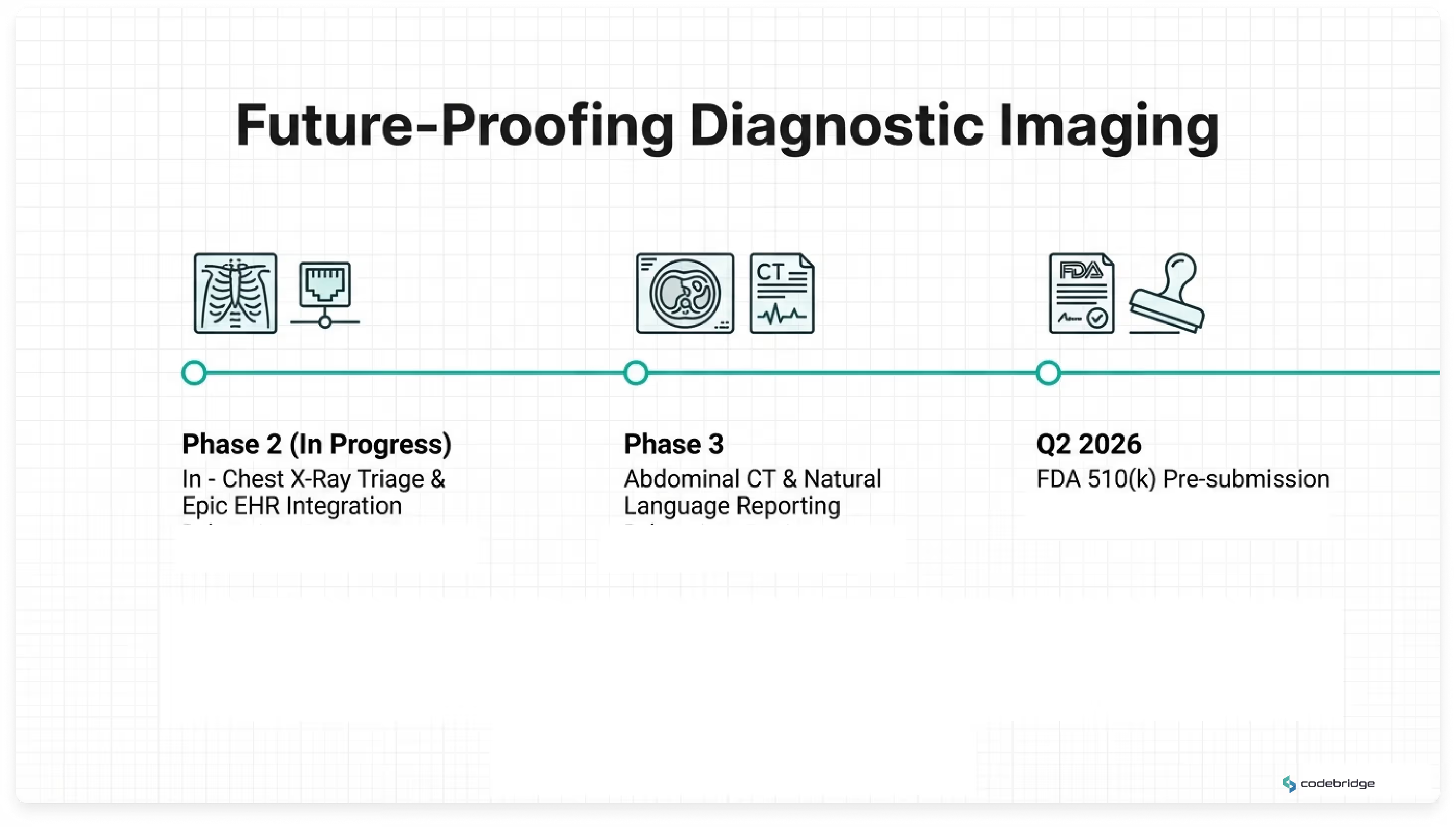
Phase 2 — Aktive Entwicklung
- Erweiterung der KI-Triage-Funktionen auf Thorax-Röntgenuntersuchungen
- Integration der automatisierten Lung-RADS-Bewertung
- Nachverfolgung von Folgemaßnahmen im geschlossenen Kreislauf über die Epic EHR-Integration
Phase 3 — Strategische Erweiterung
- Unterstützung für Abdomen-CT (Erkennung von Leberläsionen, Charakterisierung von Nierensteinen)
- Studienübergreifende Längsschnitt-Dashboards für die Onkologie-Überwachung
- Generierung von Berichten in natürlicher Sprache zur Unterstützung strukturierter Berichterstattungsworkflows
Regulierungspfad
Die gesammelte IEC 62304-Dokumentation, unabhängige klinische Validierungsdaten und die Design-History-Datei für die Regulierung belegen die Bereitschaft für einen FDA 510(k) Pre-Submission-Weg. Eine Pre-Submission-Einreichung ist für das 2. Quartal 2026 geplant, vorbehaltlich der Prüfzeiten der Aufsichtsbehörden.
*Hinweis: Aufgrund von NDA-Beschränkungen wurden der Kundenname und spezifische institutionelle Kennungen anonymisiert. Alle Leistungsmetriken und Validierungsergebnisse basieren auf realen Produktionsdaten.
FAQ-Bereich (Technischer Einblick)
Wie haben Sie in einem browserbasierten CT-Viewer eine Performance auf dem Niveau nativer PACS-Systeme erreicht?
Hochauflösende Thorax-CT-Untersuchungen können mehr als 600 Dünnschichtbilder umfassen. Für das diagnostische Scrollen im Cine-Modus ist eine Wiedergabe von 30–60 Bildern pro Sekunde ohne wahrnehmbare Latenz erforderlich – ein Schwellenwert, der bisher nur auf dedizierten PACS-Workstations erreicht werden konnte.
Um diese Anforderung in einer installationsfreien Browser-Umgebung zu erfüllen, haben wir eine WebGL-Rendering-Architektur mit doppeltem Puffer implementiert. Während das aktuelle Bild aus einem GPU-Texturpuffer angezeigt wird, werden nachfolgende Bilder parallel mittels WebWorkers dekodiert und in einen zweiten GPU-Puffer vorgeladen. Beim Scrollen wechseln die Puffer verzögerungsfrei.
Dieser Ansatz ermöglicht eine konstante Leistung von 60 fps im Cine-Modus, selbst bei 300–500 MB großen CT-Datensätzen, und bietet damit eine Reaktionsgeschwindigkeit auf Workstation-Niveau in einer sicheren Web-Umgebung.
Wie wurde die Falsch-Positiv-Rate von 4,1 auf 0,4 pro Scan reduziert?
Falsch-positive Ergebnisse waren bei früheren KI-Pilotprojekten das Haupthindernis für die klinische Einführung. Anstatt uns allein auf eine allgemeine Modelloptimierung zu verlassen, haben wir eine dedizierte Pipeline zur Reduzierung falsch-positiver Ergebnisse entwickelt.
In Regionen mit einer erhöhten Prävalenz gutartiger granulomatöser Erkrankungen stellten verkalkte Knötchen eine Hauptquelle für Fehlklassifizierungen dar. Wir haben einen Post-Processing-Klassifikator entwickelt, der auf einem kuratierten Datensatz bestätigter gutartiger Fälle aus dem anonymisierten Archiv des Kunden trainiert wurde. Dieser Klassifikator fungiert als sekundärer Filter, der dem primären Erkennungsnetzwerk nachgeschaltet ist.
Das Ergebnis war eine Reduzierung der falsch-positiven Ergebnisse um 90 % bei gleichzeitiger Beibehaltung einer Sensitivität von 96 % für Knötchen unter 4 mm – wodurch das Vertrauen der Kliniker wiederhergestellt wurde, ohne die diagnostische Genauigkeit zu beeinträchtigen.
Wie unterstützt die Plattform HIPAA-konformes Active Learning?
Die kontinuierliche Modellverbesserung erfordert eine sorgfältige Trennung von klinischen Abläufen und der Verarbeitung von Forschungsdaten.
Wir haben eine mehrschichtige Compliance-Architektur implementiert:
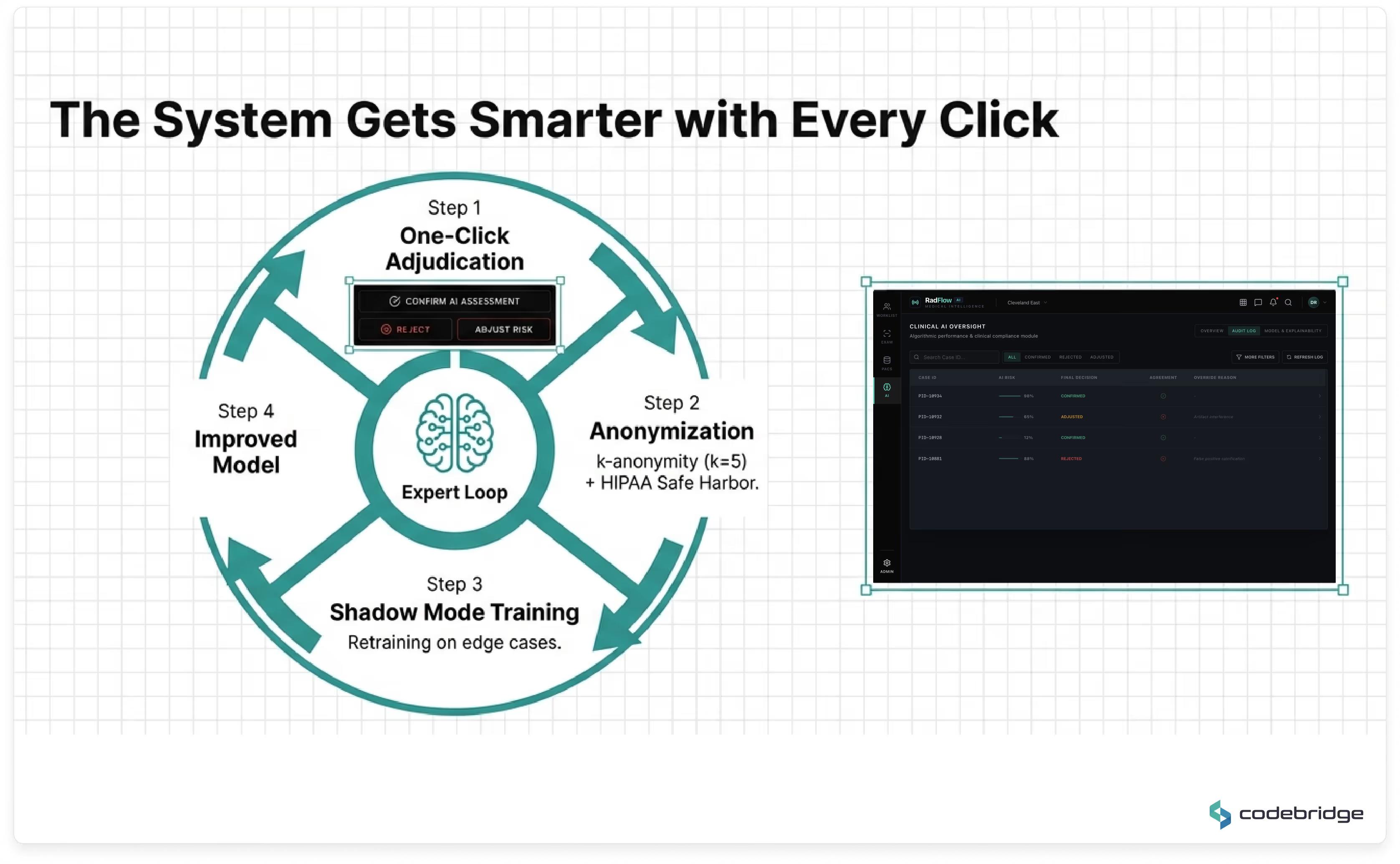
- DICOM-De-Identifizierung gemäß der HIPAA Safe Harbor-Methode (Entfernung von 18 Identifikationskategorien)
- k-Anonymisierung (k=5) für strukturierte demografische Attribute
- Getrennter, verschlüsselter Data Lake für Annotationen
- Isolierte VPC-Umgebung für Retraining-Pipelines
- Kein öffentlicher Internetzugang für die Infrastruktur des Modelltrainings
Ein unabhängiges Compliance-Audit durch Dritte hat bestätigt, dass die Architektur die HIPAA-Vorgaben sowie interne Governance-Anforderungen erfüllt und gleichzeitig strukturiertes Active Learning ermöglicht.
Warum eine vollständige Diagnose-Umgebung aufbauen, anstatt ein eigenständiges KI-Plugin zu integrieren?
Frühere KI-Pilotprojekte haben gezeigt, dass der ständige Wechsel zwischen verschiedenen Benutzeroberflächen die kognitive Belastung erhöht und die Akzeptanz verringert. Radiologen mussten Befunde aus mehreren Systemen zusammenführen, was zu Reibungsverlusten im Arbeitsablauf und Unklarheiten bei der Haftung führte.
Die Entscheidung war daher architektonischer und nicht algorithmischer Natur.
Durch die direkte Integration der KI in einen einheitlichen diagnostischen Arbeitsplatz – mit Overlay-Steuerelementen, Erklärbarkeit, Audit-Tracking und Triage-Anbindung – verbessert das System die Befundung, ohne etablierte Arbeitsabläufe zu verändern.
Diese Designentscheidung war maßgeblich dafür verantwortlich, dass der Radiologist Trust Score innerhalb von sechs Monaten von 27 % auf 89 % gestiegen ist.
Wie wird die regulatorische Rückverfolgbarkeit bei Modellaktualisierungen sichergestellt?
Der Entwicklungslebenszyklus wurde von Projektbeginn an auf die Prozesse nach IEC 62304 und ISO 13485 ausgerichtet.
Jede Modellversion ist verknüpft mit:
- Nachverfolgung des Datensatz-Hashes
- Metadaten der Trainingskonfiguration
- Unveränderlichkeit der Bereitstellungsdatensätze
- Rückverfolgbarkeits-Gates in der CI/CD-Pipeline
- Audit-Protokolle zum Inferenzverhalten und zu klinischen Korrekturen
Diese Struktur unterstützt einen zukünftigen FDA 510(k)-Zulassungsprozess durch die Pflege einer vollständigen Design-Historie und einer verifizierbaren Modell-Abstammung.
Ist die Plattform von einem bestimmten PACS-Anbieter abhängig?
Nein.
Die Architektur ist von Grund auf herstellerneutral konzipiert und arbeitet über offene Standards:
- DICOMweb (WADO-RS, QIDO-RS, STOW-RS)
- HL7 FHIR R4
- DICOM Structured Reports
- Sichere Authentifizierung via SAML 2.0
Dies gewährleistet die Kompatibilität mit PACS-Unternehmensökosystemen und verhindert gleichzeitig eine Abhängigkeit von proprietären Anbietern.
Wie stellt das System die Performance bei saisonalen Lastspitzen sicher?
Die KI-Inferenzschicht läuft auf GPU-beschleunigten Knoten innerhalb einer HIPAA-konformen Cloud-Umgebung und wird über Kubernetes mit Auto-Scaling-Richtlinien orchestriert.
Während saisonaler Spitzen bei Atemwegserkrankungen skalieren die GPU-Ressourcen dynamisch basierend auf der Warteschlangentiefe und der Arbeitslast. Die durchschnittliche Inferenzlatenz liegt bei ca. 47 Sekunden pro CT-Untersuchung, ohne dass die Reaktionsfähigkeit des Viewers beeinträchtigt wird.
Diese Trennung von Rendering und Inferenz stellt sicher, dass die UI-Performance nicht durch die Ausführung des Backend-Modells beeinträchtigt wird.

“This initiative was not about automation - it was about capacity expansion without compromising diagnostic integrity. The platform allowed us to increase throughput while strengthening compliance posture and long-term regulatory readiness.”
Willst du ähnliches erreichen Ergebnisse? Lass uns deine Idee entwickeln!