TokenVibe — NFT-Enabled Ticketing & Event Management Platform
A mobile-first case study on building a blockchain-backed ticketing platform that removes Web3 adoption friction through fiat payments, unified user roles, and token-gated fan engagement.


Music event organizers face ticket fraud, fragmented fan engagement, and significant operational barriers when adopting blockchain-based ticketing. This project addressed those challenges through the end-to-end delivery of a mobile-first NFT ticketing and event management platform. The initiative focused on transitioning traditional ticket sales to a blockchain-backed model while maintaining the accessibility of mainstream consumer applications.
Our delivery approach focused on integrating Web3 architecture with familiar fiat payment rails, removing the adoption friction that typically blocks non-crypto users from participating in blockchain-based event platforms. Within a five-month timeframe, we executed the full product lifecycle—from discovery and UI/UX design to the development of a secure wallet system and a centralized administration panel.
The engagement resulted in a production-ready platform that enables organizers to monetize events through NFT-based access while providing fans with secure ownership and token-gated social interactions.
Problem / Opportunity
The client identified a gap in the music industry where traditional ticketing lacked transparent ownership and failed to facilitate direct engagement between artists and fans. Existing solutions often required users to maintain separate accounts for organizing and attending events, creating a fragmented user experience.
Furthermore, the complexity of blockchain technology presented a significant barrier to entry. The primary challenge was to implement NFT-based access and secure wallet management without sacrificing the UX clarity required for mass-market adoption. There was also a critical need for robust moderation tools to manage social content and prevent abuse within a decentralized environment.
Before / After Framing

Before:
Event organizers relied on traditional barcode-based ticketing susceptible to fraud and lacked a direct secondary market for fan engagement. Fans had no verifiable proof of digital ownership, and social interactions with artists required fragmented external platforms. Launching a blockchain-based event was technically prohibitive for non-crypto native teams due to complex wallet management and token minting requirements.

After:
Organizers can now issue secure, non-fungible digital passes that serve as both tickets and social access keys. Users move seamlessly between fan and organizer roles within a unified interface, eliminating the need for multi-platform account management. Technical barriers to Web3 adoption are removed via integrated fiat payment gateways, allowing for a standard consumer checkout experience.
Scope of Work
Discovery
- Described the logic of events, ticket tokens, chats, wallets, and posts through user stories
- Defined the lifecycle of events and ticket tokens
UI/UX Design
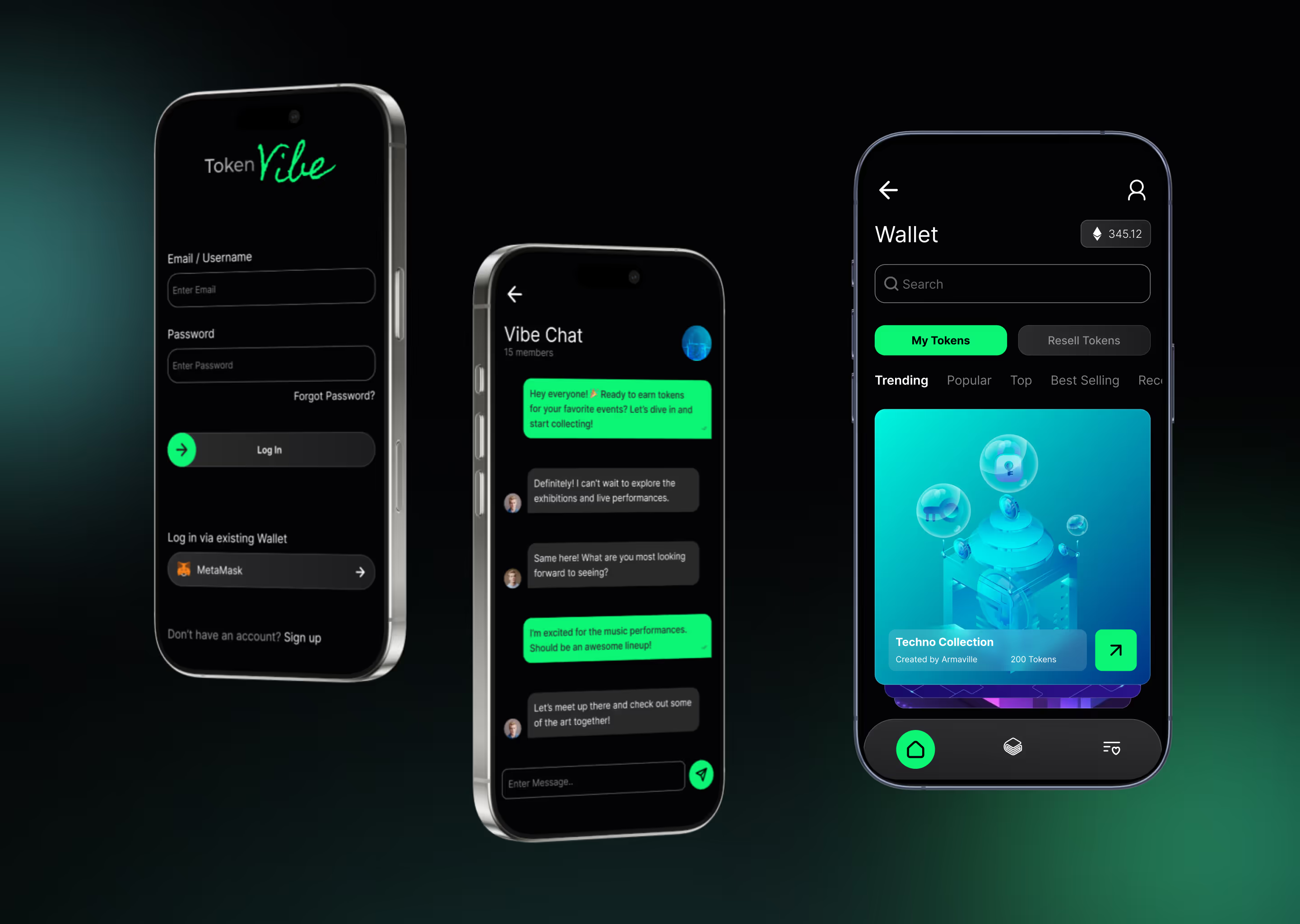
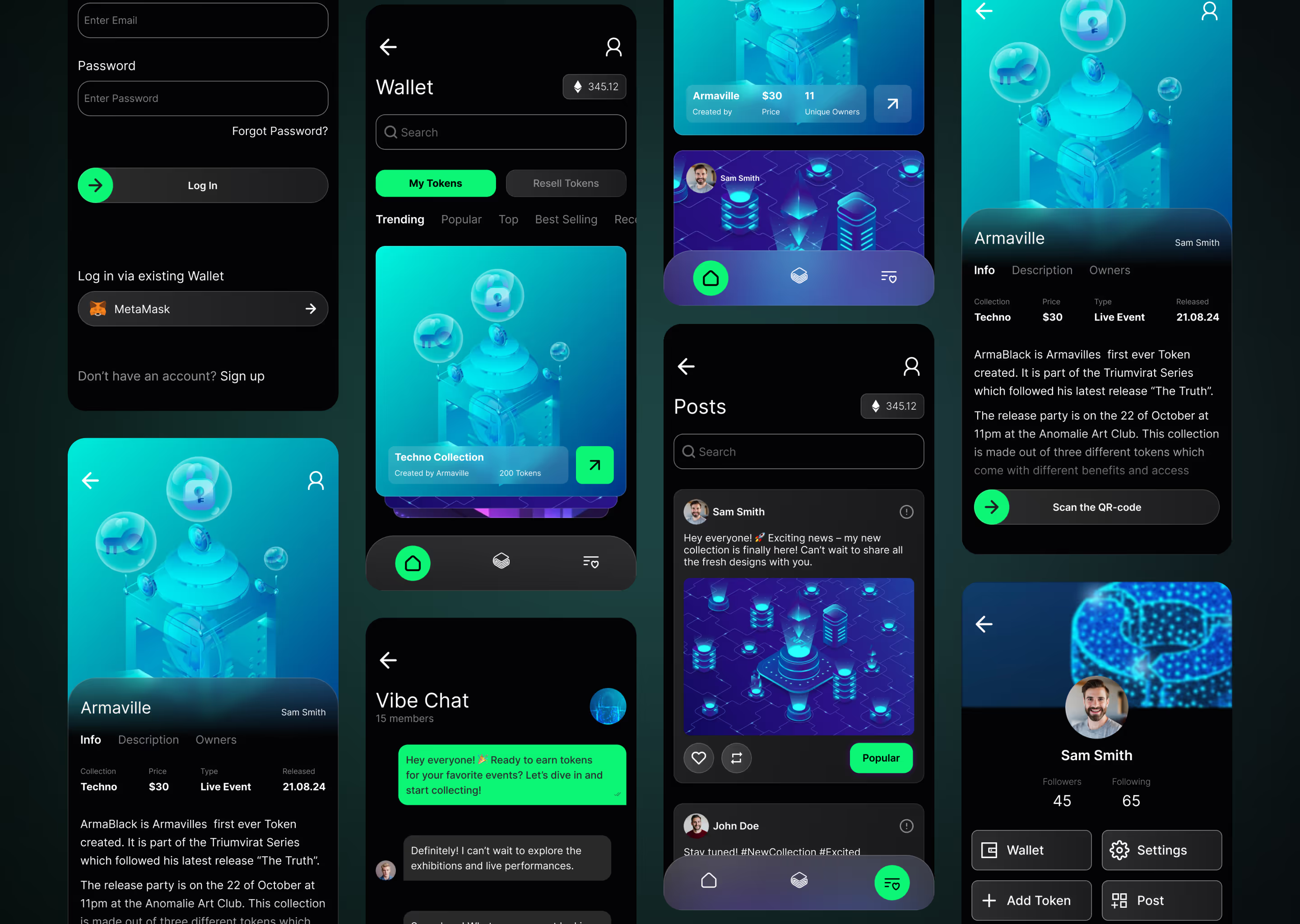
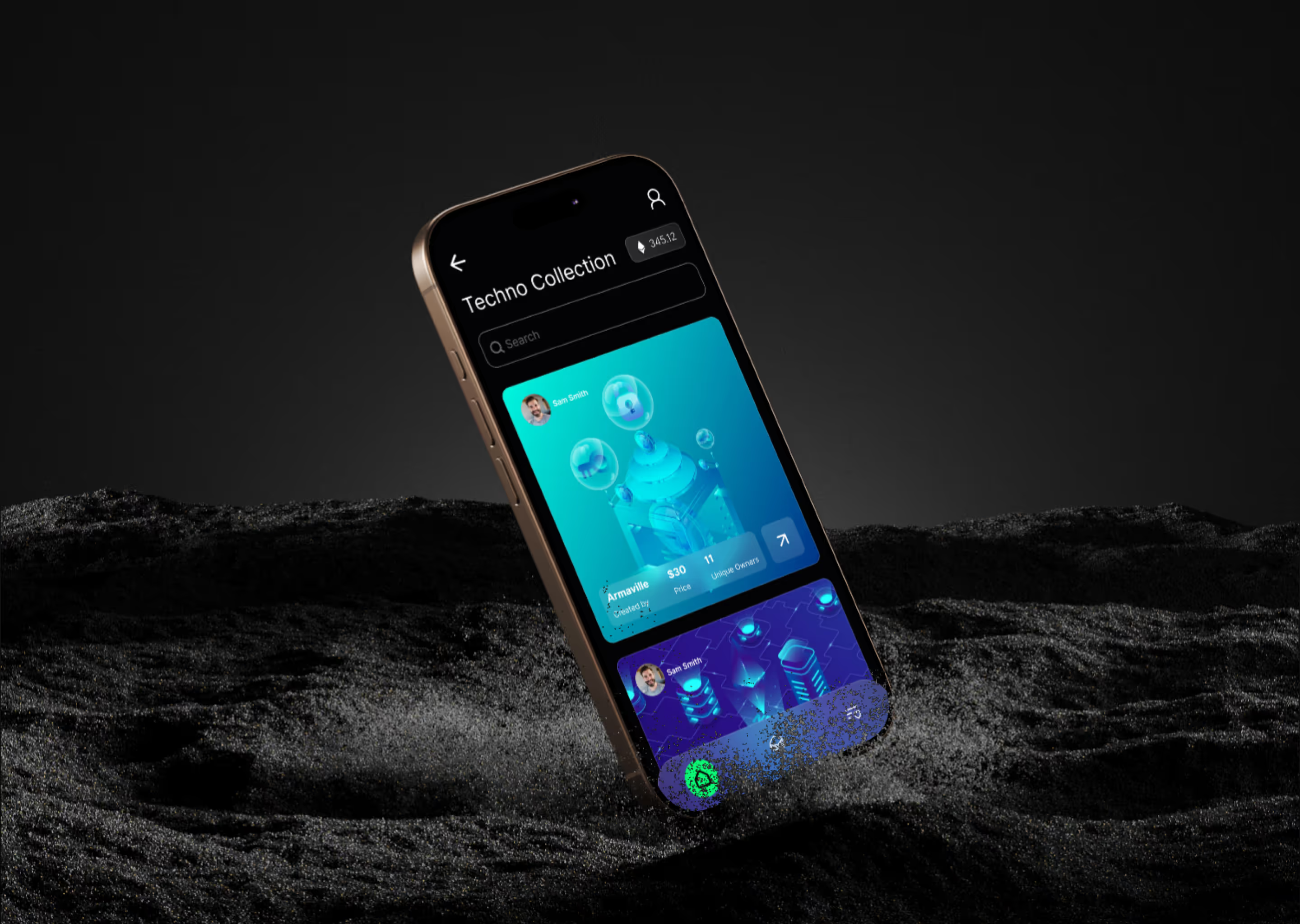
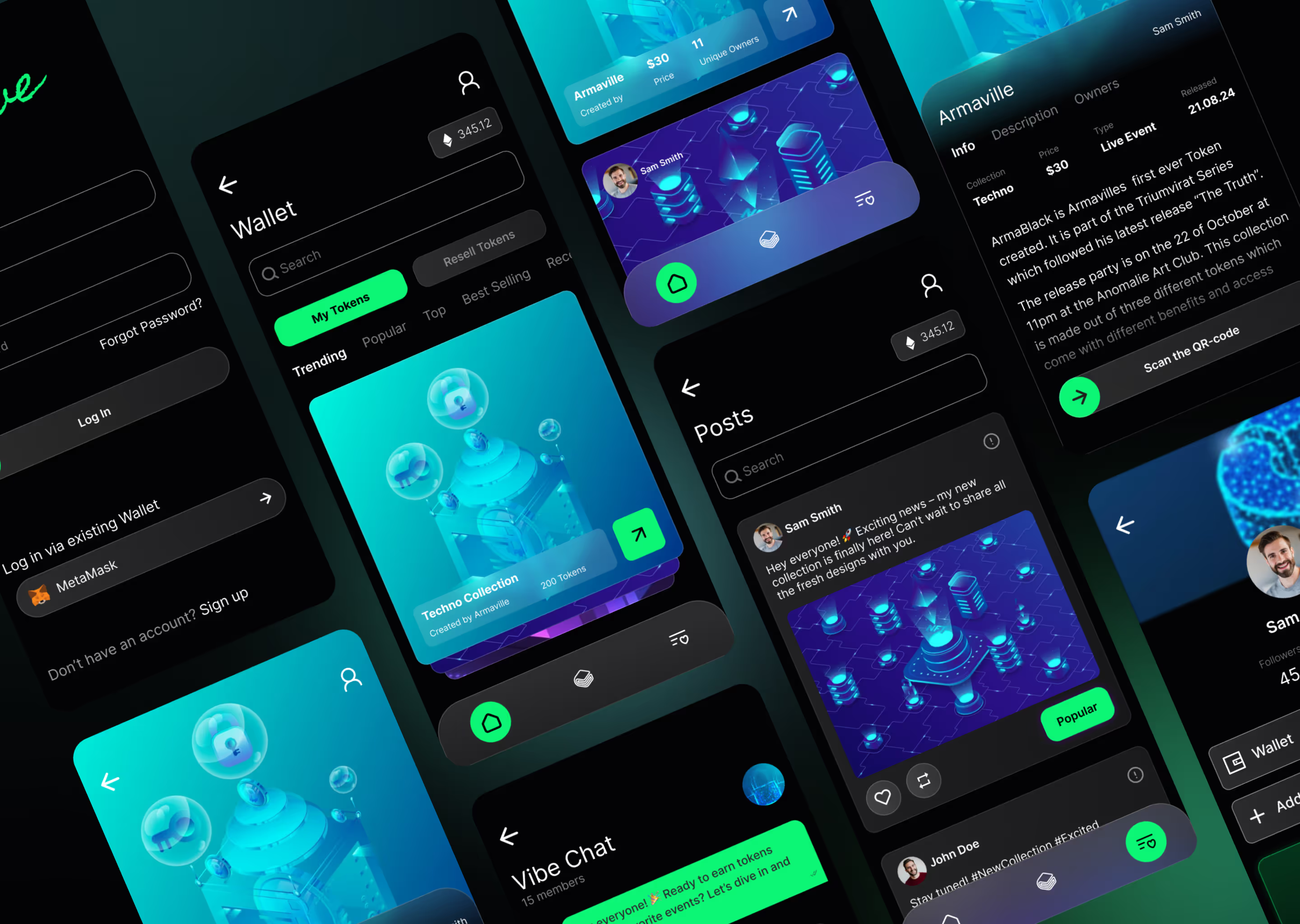
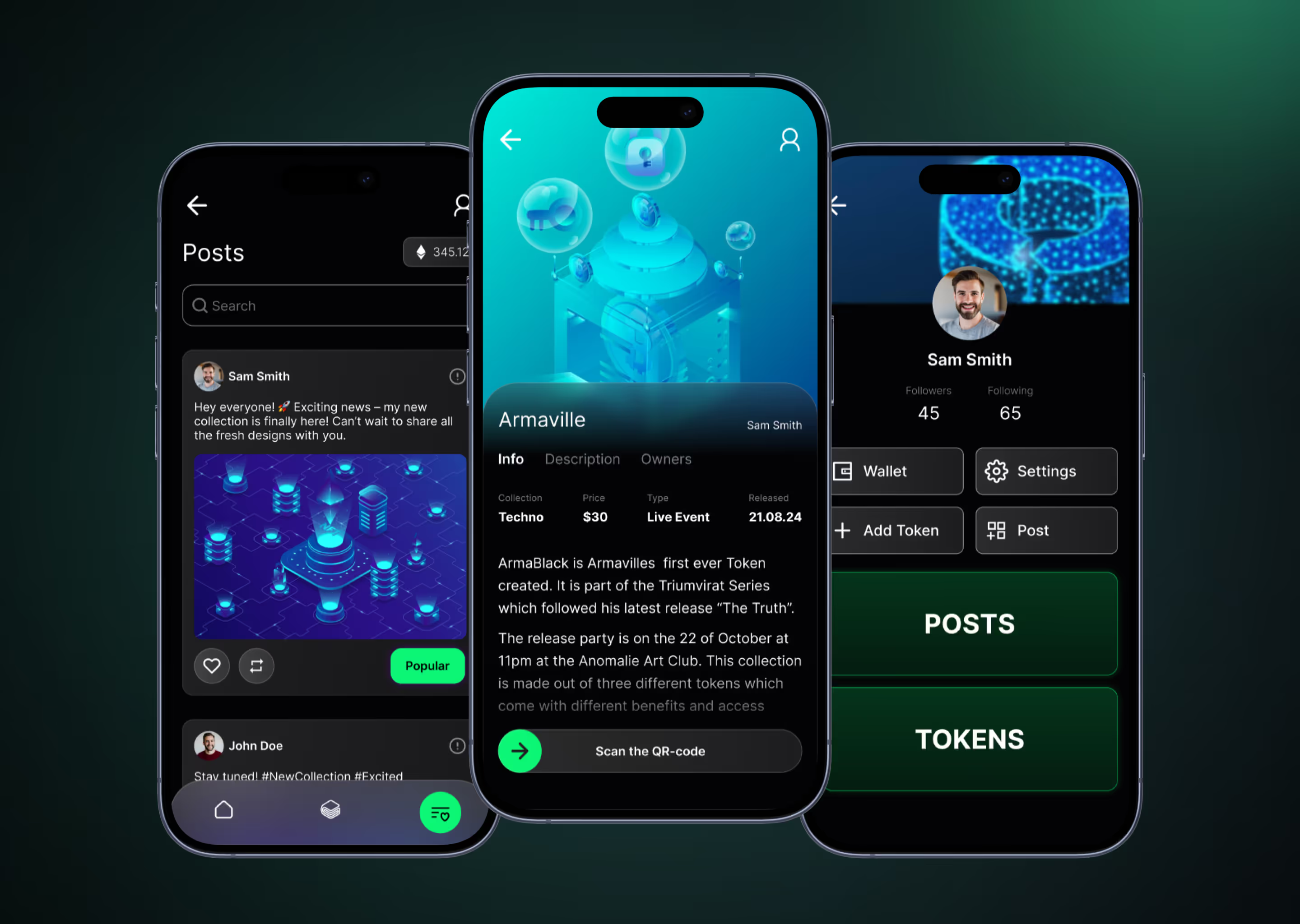
- Created full mobile UI/UX design in Figma for social and financial flows
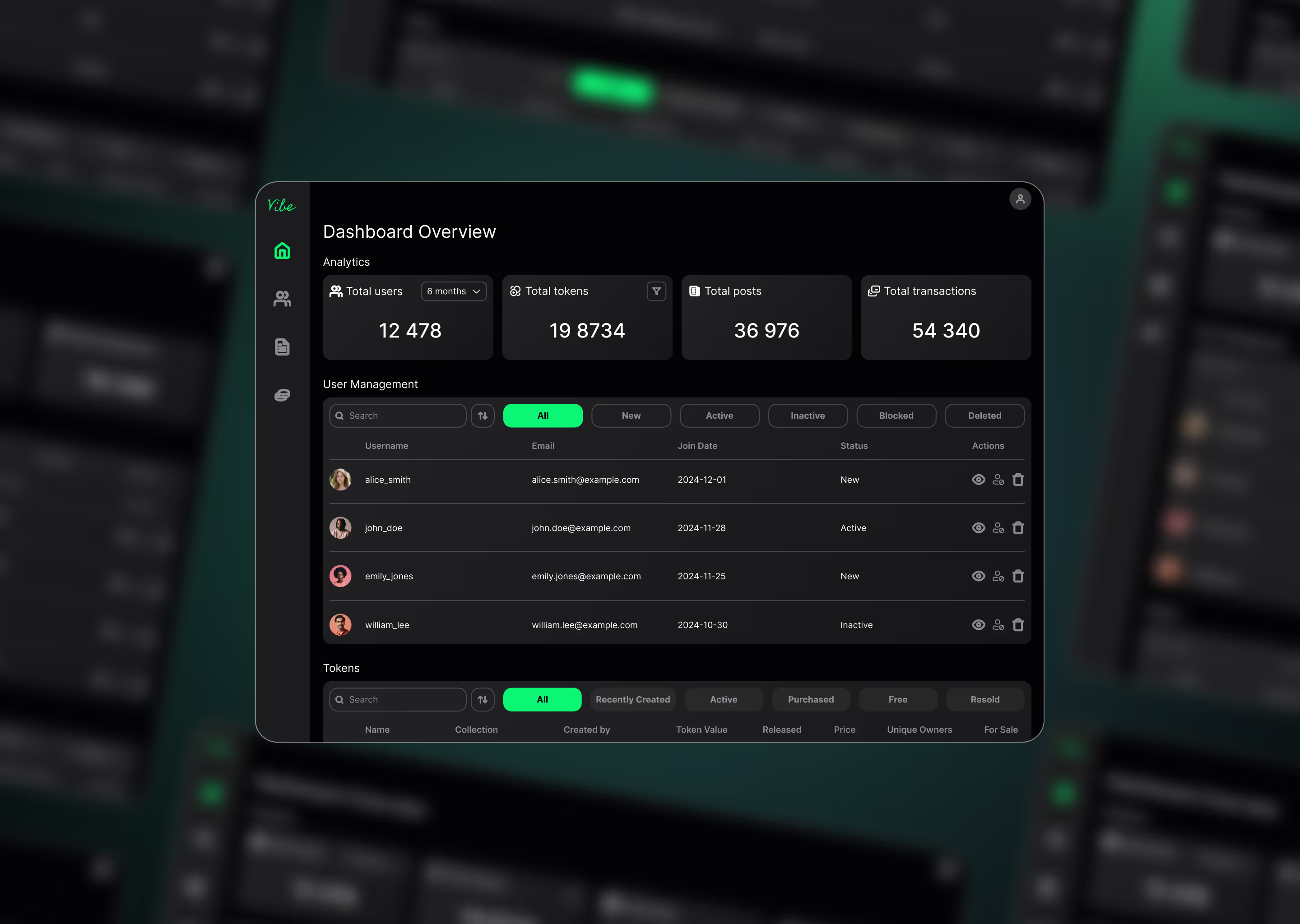
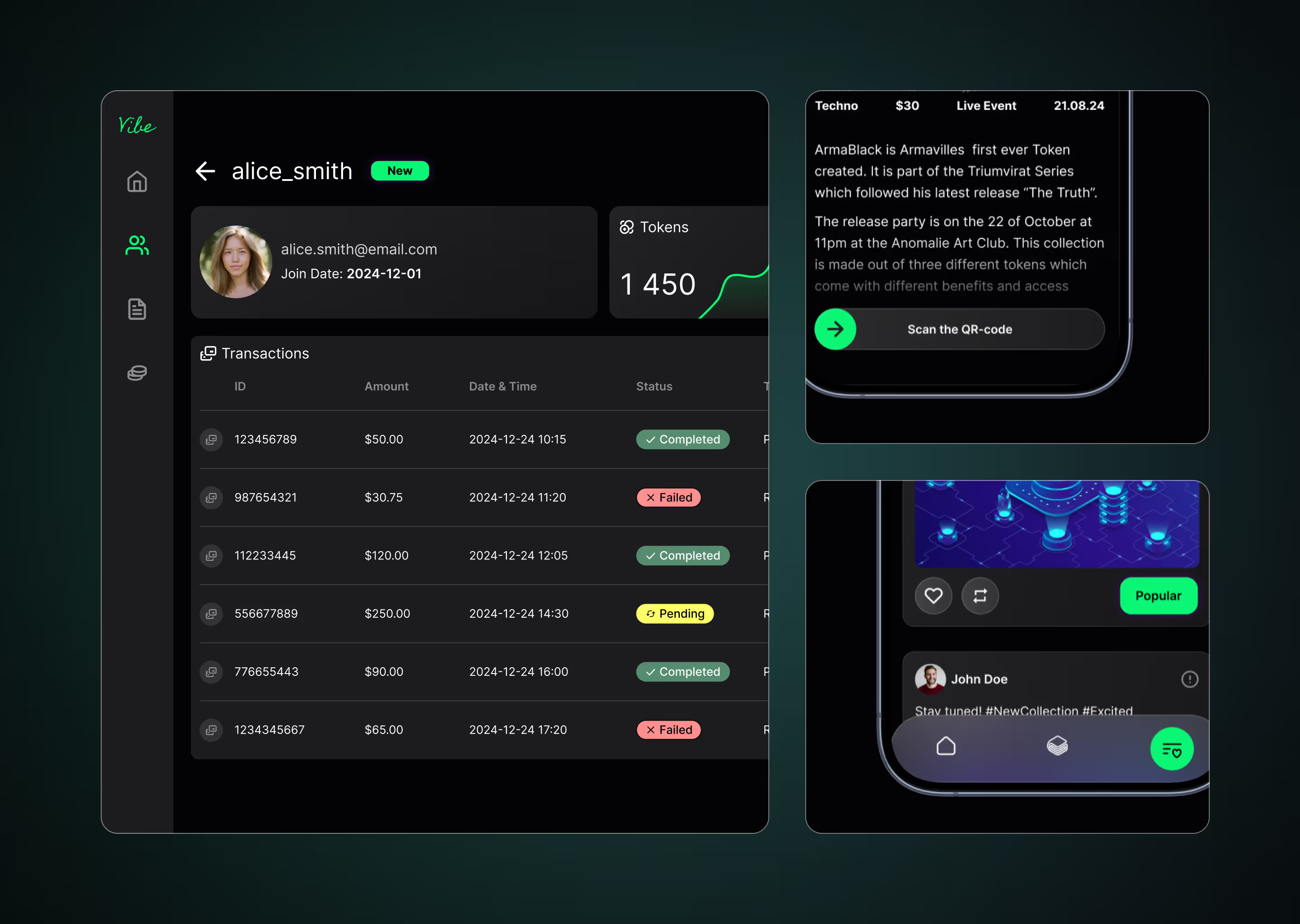
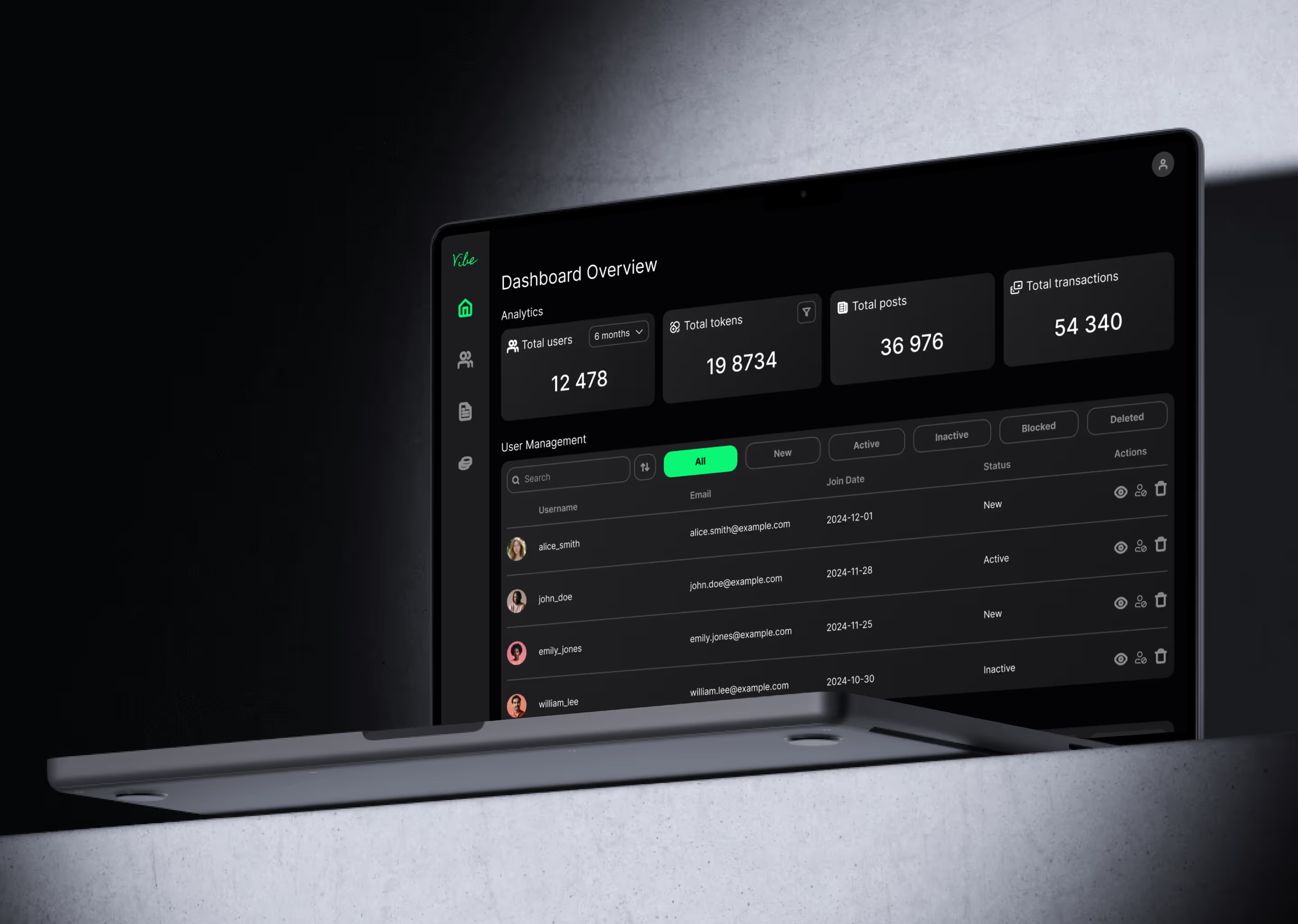
- Created complete UI/UX for the web-based Admin Panel, including moderation, user management, and activity overview tools
Development
- Built the wallet system with token display, refund logic, and fund extraction
- Implemented group and private chats, posts, and news feed
- Developed event creation flow, genre filters, and token publishing logic
- Built the web version of the Admin Panel
Integrations
- Stripe (fiat payments)
- Web3 (token creation and validation)
Admin Tools
- User and token analytics (via summary tables and filters)
- Moderation tools (block/unblock users, hide/delete posts)
What We Built (Capabilities & Complexity Removed)
• Automated NFT Lifecycle Management: This capability removes the technical burden of manual smart contract interaction and token minting. For organizers, it eliminates the risk of ticket duplication and fraud by replacing static barcodes with secure, blockchain-validated NFT tokens.
• Integrated Fiat-to-Web3 Payment Gateway: By bridging Stripe with Web3 validation, we removed the "crypto-only" UX barrier. This eliminates the risk of high user drop-off by allowing fans to purchase NFT tickets using credit cards, Apple Pay, or Google Pay without needing prior blockchain knowledge.
• Unified Dual-Role Architecture: Our engineering approach consolidated fan and organizer functionalities into a single account logic. This removes the operational complexity of managing separate administrative and consumer profiles, reducing the burden of multi-account synchronization for the end user.
• Token-Gated Social Verification: We implemented automated access controls that grant entry to artist group chats based on NFT ownership. This removes the manual overhead of verifying ticket holders for exclusive content, ensuring that community moderation and access are handled programmatically.
• Centralized Governance for Decentralized Assets: While the ticketing is decentralized, the Web-based Admin Panel provides centralized control. This removes the risk of unmoderated content or abuse, allowing platform owners to block users, hide posts, and manage analytics through a familiar, unified dashboard.
Architecture & Integrations
The platform’s architecture was designed to bridge the gap between high-trust decentralized assets and high-velocity consumer transactions. A primary technical constraint was the five-month delivery window, which necessitated the use of Thirdweb for NFT lifecycle management. By leveraging Thirdweb’s established framework for token creation and validation, the engineering team avoided the overhead of building a bespoke smart contract stack, focusing instead on the integration of these Web3 mechanics into a standard mobile-first user experience.
To eliminate the typical drop-off associated with Web3 onboarding, the architecture utilizes a hybrid payment bridge. While ticket ownership is recorded as an NFT on the blockchain, the front-end transaction layer integrates Stripe, Apple Pay, and Google Pay. This decision allows the system to process fiat payments and programmatically trigger NFT minting or transfer upon confirmation, removing the requirement for users to possess pre-funded crypto wallets at the point of sale.
The .NET backend and SQL Server database act as the primary coordination layer between the blockchain and the end-user experience. This layer is responsible for managing system state that cannot be reliably handled on-chain, including refund processing, earnings extraction, and the "dual-role" permissioning logic that allows a single account to toggle between organizer and fan identities. Using a relational SQL Server database ensured strict data integrity for the internal wallet system, which tracks both fiat balances and token inventories before finalizing on-chain actions.
A deliberate trade-off was made to introduce a Web-based Admin Panel alongside the decentralized ticketing assets. While the tickets themselves represent decentralized proof of ownership, the social features—such as community feeds and messaging—require proactive moderation to prevent abuse and ensure regulatory compliance. This operational control layer, deployed on Microsoft Azure, enables platform owners to moderate content, block users, and analyze transaction summary tables, ensuring the system remains secure and manageable during peak ticket sales, concurrent event check-ins, and high-traffic release windows without compromising the transparency of the blockchain-backed tickets.
Technologies We Use in This Project
Outcome & Readiness
The platform is fully delivered and optimized for production use within a mobile-first music ecosystem.
• Production Enablement: The system is now capable of supporting end-to-end event lifecycles, including event creation, NFT ticket publishing, secure check-in via QR scanning, and financial payout extraction.
• Risk Reduction: Early discovery phases successfully defined the financial logic for refunds and wallet storage, ensuring that the platform adheres to stable transaction flows even when interacting with blockchain layers.
• Operational Readiness: The delivery included a robust Admin Panel, enabling platform owners to handle user reports, moderate social feeds, and monitor token analytics immediately upon launch.
• Architecture Scalability: Built on .NET and Microsoft Azure, the backend is engineered to handle concurrent ticket sales and real-time social interactions across diverse music genres and geographic locations.
FAQ: Custom Blockchain Ticketing and NFT Event Management Software Development
What is an NFT ticketing platform and how does it work?
An NFT ticketing platform replaces traditional tickets with blockchain-based digital tokens. Each ticket is unique, cannot be duplicated, and provides secure access to concerts or events. It also allows additional features like token-gated chats, fan communities, and secondary ticket sales with full transparency.
How much does it cost to build a custom online ticketing app for events?
The cost of developing a custom ticketing application depends on the required features: NFT integration, wallet system, payment gateways (Stripe, Apple Pay, Google Pay), event management tools, and admin dashboards. On average, building an MVP takes 4–6 months and costs around $30,000–$50,000. A full-featured solution with advanced scalability, analytics, and integrations may require higher investment.
What are the benefits of a music blockchain platform for event organizers and fans?
A music blockchain solution helps event organizers reduce fraud, automate resale royalties, and gain direct fan engagement. Fans get verified access, the ability to connect with artists in private chats, and own digital assets that can hold long-term value.
Why choose a software development company to build a custom NFT ticketing solution?
Off-the-shelf SaaS tools have limited flexibility. Partnering with a professional software development company ensures you get a custom NFT ticketing platform designed to your business needs, including event management software, analytics dashboards, secure wallets, and mobile-first design.
Can you integrate blockchain ticketing with regular fiat payments?
Yes. A modern event ticketing platform can unify both worlds: NFT-based smart tickets for security and ownership, and fiat payment options for convenience. We typically integrate Stripe, Apple Pay, and Google Pay for traditional payments alongside blockchain wallets.
Want to achieve similar results? Let’s develop your idea!


oTHER case studies