When it comes to web design, color is not just about aesthetics; it's a powerful tool that can significantly influence consumer behavior. Fun fact: the decision to buy or not to buy a product depends on the color by 62%-90%. Everything we see and perceive in advertisements is intended to attract the public's attention and awaken certain emotions toward a specific product. Here, we delve into the psychological impact of different colors and how they can be effectively used in web design.
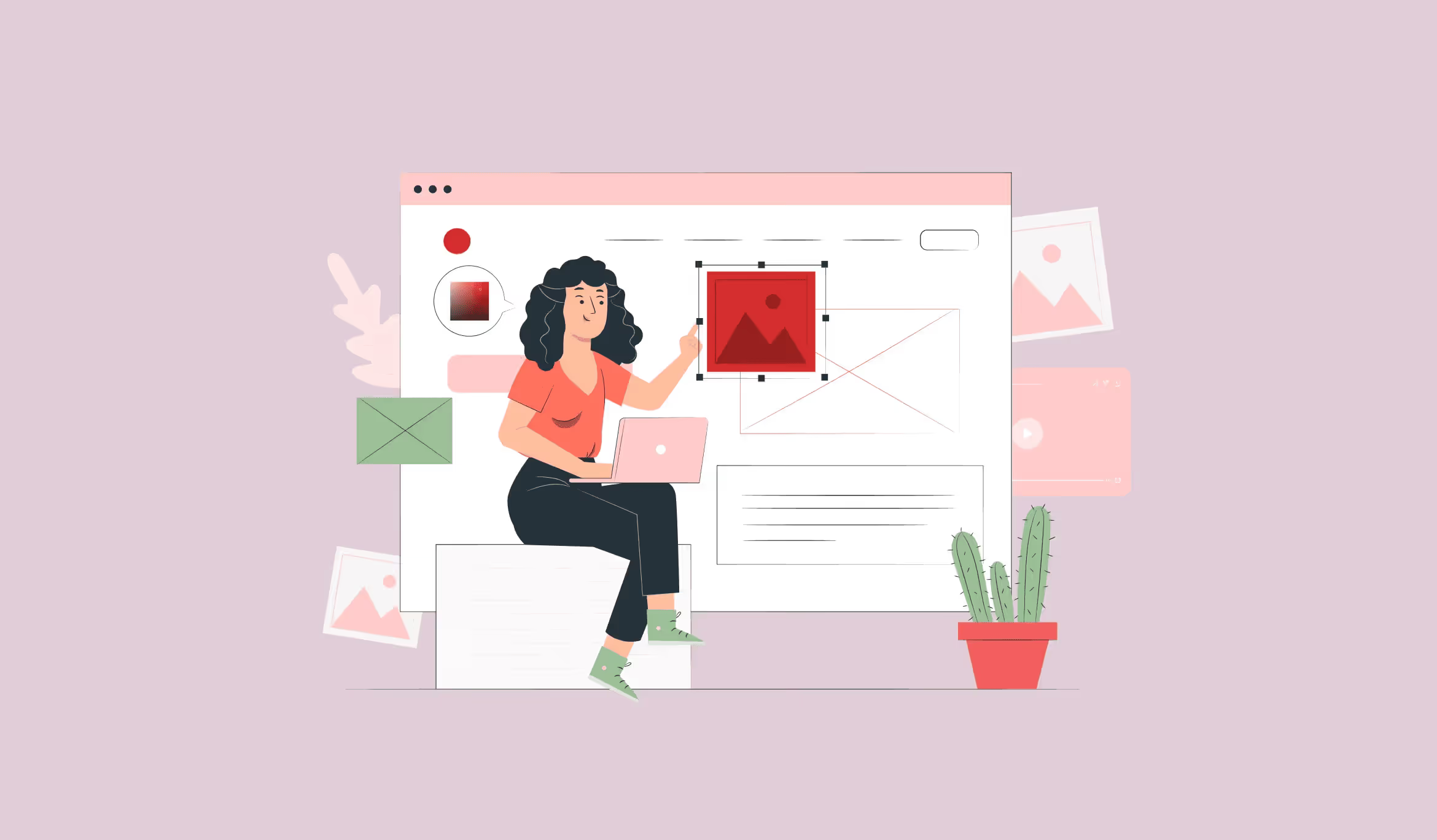
Understanding the Impact of Colors on Consumer Behavior
Pink: The Color of Femininity and Playfulness
If your target audience is primarily women, pink is an ideal choice. This color is often associated with female youth, innocence, romance, and lightness. It exudes a playful vibe reminiscent of chewing gum and can make your website appealing to a female demographic looking for youthful and light-hearted products.
Blue: The Symbol of Reliability and Coolness
Blue conveys a sense of reliability and coolness. It's an excellent color for websites related to education, finance, or government services, as it instills trust and calmness. The color blue is also associated with professionalism and dependability, making it a popular choice for businesses aiming to establish credibility.
Red: The Color of Passion and Action
Red is a powerful color associated with passion, power, and sometimes anger. It can serve as a warning or indicate danger, but it also symbolizes strength, determination, and courage. Red is particularly effective for call-to-action buttons as it grabs attention and encourages immediate response from users.
Green: The Hue of Peace and Growth
Green is the color of peace, tranquility, and nature. It can give users a sense of calm and optimism. Dark shades of green are often associated with money and stability, making them suitable for financial websites. Lighter shades of green evoke feelings of spring, relaxation, freshness, and honesty, ideal for sites focused on wellness and environmental topics.
Yellow: The Color of Cheerfulness and Curiosity
In marketing, yellow represents a healthy mind free from worries and depressive thoughts. It's best suited for online stores selling children's clothing and toys. Yellow is associated with the sun from an early age, evoking warmth and happiness. Darker shades of yellow can symbolize wisdom and curiosity, appealing to an audience seeking enlightenment and knowledge.
Purple: The Essence of Elegance and Sophistication
Purple is synonymous with elegance and sophistication. It’s perfect for niche websites offering luxury products. Purple can create an upscale atmosphere, making it ideal for brands that want to convey a sense of exclusivity and high quality.
Gold: The Symbol of Power and Prestige
Gold, like the metal, signifies power and prestige. It pairs well with other colors that symbolize elegance, such as green and purple. Using gold in your web design can elevate the perception of your brand, suggesting that your products or services are of the highest quality.
Applying Color Psychology to Web Design
Understanding the psychological effects of color can significantly impact your web design strategy. By choosing colors that align with the emotions and perceptions you want to evoke in your audience, you can create a more engaging and effective website. Here are some practical tips for applying color psychology to your web design:
- Identify Your Target Audience: Choose colors that resonate with your demographic. For example, use pink for a female audience or blue for a professional, trustworthy feel.
- Consider the Emotional Impact: Think about the emotions you want to evoke. Use green for calmness and growth, or red for urgency and action.
- Balance and Contrast: Ensure your color scheme is balanced and provides enough contrast to make important elements like call-to-action buttons stand out.
- Test and Iterate: Test different color combinations to see which ones perform best with your audience. Gather feedback and make adjustments as needed.
Conclusion
Color is a powerful tool in web design that can influence consumer behavior and decision-making. By understanding the psychological impact of different colors, you can create a web design that not only looks appealing but also resonates with your target audience and drives engagement. Whether you're aiming to evoke trust, excitement, calmness, or luxury, the right color palette can make all the difference in achieving your business goals.
Ready to transform your website with the power of color psychology? Contact us today to learn how we can help you create a visually stunning and emotionally engaging web design that captivates your audience and boosts your sales.
FAQ
What is the psychology of color in web design?
Color psychology explores how different colors influence human emotions, perceptions, and behaviors. In web design, it helps guide user attention, communicate brand values, and influence decision-making.
How do different colors affect user behavior?
Colors evoke specific emotions, for example, blue often conveys trust and reliability, red creates urgency, green suggests growth and balance, and yellow evokes optimism. These responses impact how users interact with a website
How should brands choose a color palette for their website?
Brands should align colors with their identity, target audience, and industry norms. Testing color combinations and considering cultural differences ensures the palette resonates with users.
How can color be used to improve conversions?
Color can highlight calls-to-action, guide navigation, and create visual hierarchy. Strategic contrast helps important elements stand out and encourages users to take action.
What accessibility considerations are important when using color?
Designers must ensure sufficient color contrast, avoid relying on color alone to convey information, and support users with visual impairments by following accessibility guidelines.
How can teams test the effectiveness of color choices in web design?
A/B testing, heatmaps, and user feedback help evaluate how color changes affect engagement, usability, and conversion rates, enabling data-driven design decisions.












Heading 1
Heading 2
Heading 3
Heading 4
Heading 5
Heading 6
Lorem ipsum dolor sit amet, consectetur adipiscing elit, sed do eiusmod tempor incididunt ut labore et dolore magna aliqua. Ut enim ad minim veniam, quis nostrud exercitation ullamco laboris nisi ut aliquip ex ea commodo consequat. Duis aute irure dolor in reprehenderit in voluptate velit esse cillum dolore eu fugiat nulla pariatur.
Block quote
Ordered list
- Item 1
- Item 2
- Item 3
Unordered list
- Item A
- Item B
- Item C
Bold text
Emphasis
Superscript
Subscript