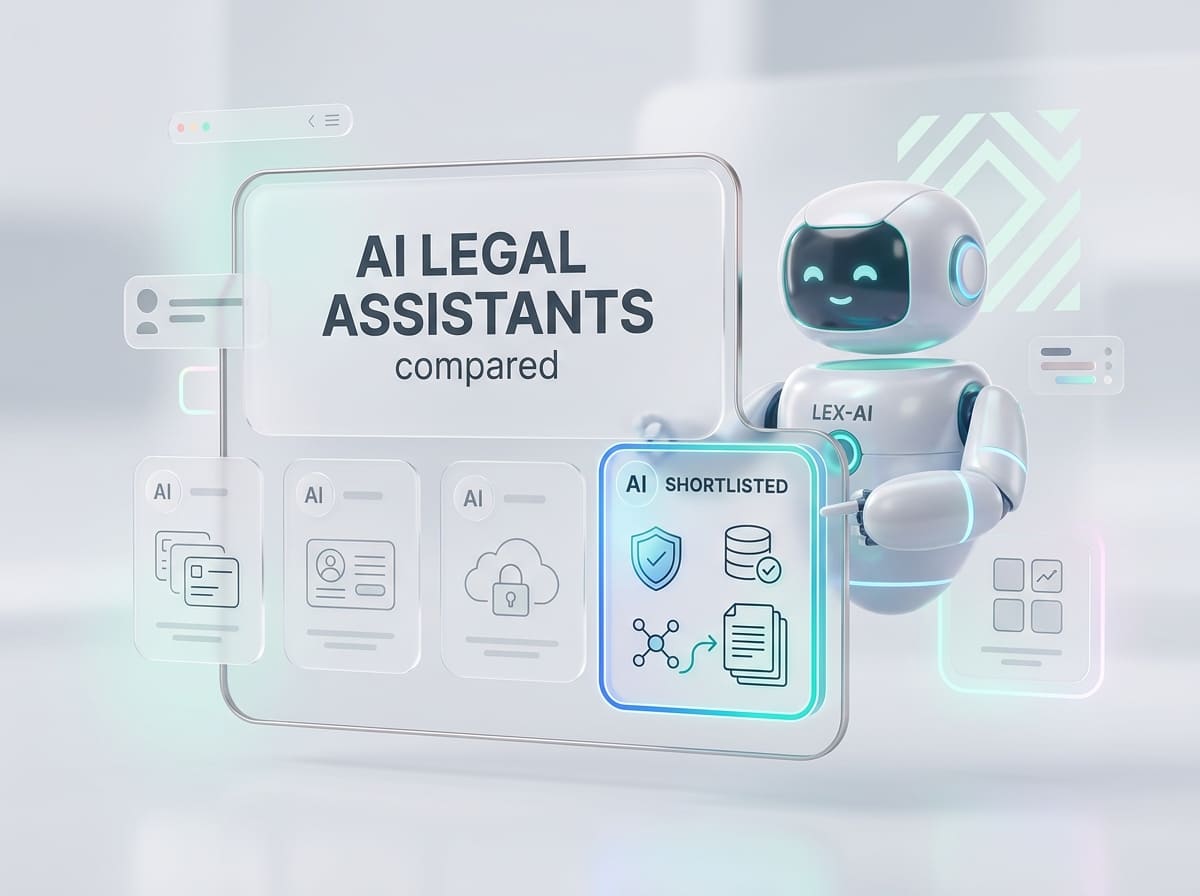
In the fast-evolving tech landscape, companies constantly seek innovative ways to streamline their operations and accelerate software delivery. DevOps as a Service (DaaS) emerges as a pivotal solution, providing organizations with the necessary tools and practices to integrate development and operations seamlessly. This article explores ten compelling reasons why embracing DaaS can transform your software development lifecycle and drive your business forward.

1. Accelerated Time-to-Market
DevOps as a Service enables faster software development and deployment cycles by automating and optimizing processes. By integrating continuous integration (CI) and continuous delivery (CD) pipelines, DaaS allows teams to deliver new features and updates more frequently and reliably. This rapid release cycle helps organizations stay competitive, meet customer demands, and respond to market changes promptly.
2. Enhanced Collaboration and Communication
DaaS breaks down the traditional silos between development and operations teams, fostering a culture of collaboration and shared responsibility. With integrated tools and platforms, team members can communicate more effectively, share knowledge, and work towards common goals. This collaborative environment reduces misunderstandings, speeds up problem-solving, and enhances overall productivity.
3. Improved Quality and Reliability
By incorporating automated testing and continuous monitoring, DevOps as a Service ensures that code changes are thoroughly tested before deployment. This approach minimizes the risk of introducing bugs and vulnerabilities into production environments. Additionally, continuous feedback loops enable teams to identify and address issues quickly, improving the overall quality and reliability of software releases.
4. Cost Efficiency
DaaS can significantly reduce operational costs by automating repetitive tasks and optimizing resource utilization. By leveraging cloud-based infrastructure and services, organizations can scale their operations as needed, avoiding the costs associated with maintaining on-premises hardware. Furthermore, the pay-as-you-go model of many DaaS providers allows companies to manage their budgets more effectively.
5. Scalability and Flexibility
One of the key advantages of DevOps as a Service is its scalability. Organizations can easily scale their infrastructure and resources up or down based on demand. This flexibility ensures that businesses can handle peak loads without over-provisioning resources during quieter periods. As a result, companies can maintain optimal performance and cost-efficiency at all times.
6. Enhanced Security
Security is a critical concern for any organization, and DaaS addresses this by integrating security practices into the DevOps pipeline. Known as DevSecOps, this approach embeds security checks and controls at every stage of the development lifecycle. Automated security testing, vulnerability scanning, and compliance monitoring help ensure that applications are secure and meet regulatory requirements.
7. Streamlined Processes with Automation
Automation is at the heart of DevOps as a Service, driving efficiency and consistency across the software development lifecycle. From code integration and testing to deployment and monitoring, DaaS automates repetitive tasks, reducing the potential for human error and freeing up teams to focus on more strategic activities. This streamlined approach leads to faster, more reliable releases.
8. Continuous Improvement and Innovation
DaaS fosters a culture of continuous improvement by encouraging teams to experiment, learn from failures, and iterate on their processes. With continuous feedback and performance metrics, organizations can identify areas for improvement and implement changes swiftly. This iterative approach not only enhances software quality but also drives innovation and keeps businesses at the forefront of technological advancements.
9. Simplified Infrastructure Management
Managing infrastructure can be complex and time-consuming, but DaaS simplifies this by providing automated provisioning and configuration management. Infrastructure as Code (IaC) tools enable teams to define, deploy, and manage infrastructure using code, ensuring consistency and repeatability. This automation reduces the burden of manual management and allows teams to focus on delivering value to customers.
10. Competitive Advantage
In today’s rapidly changing market, businesses must be agile and responsive to stay ahead. DevOps as a Service provides the tools and practices needed to achieve this agility, enabling faster time-to-market, higher quality releases, and continuous innovation. By adopting DaaS, organizations can differentiate themselves from competitors and deliver exceptional value to their customers.
DevOps as a Service is more than just a trend; it’s a transformative approach that enables organizations to achieve greater efficiency, quality, and agility in their software development processes.
Conclusion
DevOps as a Service is more than just a trend; it’s a transformative approach that enables organizations to achieve greater efficiency, quality, and agility in their software development processes. By leveraging DaaS, companies can accelerate their time-to-market, enhance collaboration, improve security, and drive continuous improvement. As the demand for faster, more reliable software delivery grows, adopting DevOps as a Service will be essential for businesses looking to thrive in the digital age.
FAQ
What is DevOps as a Service (DaaS)?
DevOps as a Service is a managed approach where external experts handle DevOps tools, processes, and infrastructure. It enables organizations to adopt DevOps practices without building and maintaining in-house expertise.
How does DevOps as a Service accelerate software delivery?
DaaS providers implement automated CI/CD pipelines, infrastructure as code, and monitoring solutions that streamline development and deployment, significantly reducing release cycles.
What cost benefits does DevOps as a Service offer?
DaaS reduces costs by eliminating the need for dedicated DevOps teams, minimizing infrastructure overhead, and preventing expensive deployment failures through automation and best practices.
How does DevOps as a Service improve scalability and reliability?
Managed DevOps solutions use cloud-native architectures and automated scaling to handle traffic growth. Continuous monitoring and proactive issue resolution improve system reliability.
Is DevOps as a Service suitable for small and mid-sized businesses?
Yes, DaaS is ideal for small and mid-sized businesses that need enterprise-grade DevOps capabilities without the cost and complexity of building in-house teams.
How can organizations choose the right DevOps as a Service provider?
Organizations should evaluate provider expertise, security practices, toolsets, scalability options, and support models to ensure alignment with business goals and technical needs.














Heading 1
Heading 2
Heading 3
Heading 4
Heading 5
Heading 6
Lorem ipsum dolor sit amet, consectetur adipiscing elit, sed do eiusmod tempor incididunt ut labore et dolore magna aliqua. Ut enim ad minim veniam, quis nostrud exercitation ullamco laboris nisi ut aliquip ex ea commodo consequat. Duis aute irure dolor in reprehenderit in voluptate velit esse cillum dolore eu fugiat nulla pariatur.
Block quote
Ordered list
- Item 1
- Item 2
- Item 3
Unordered list
- Item A
- Item B
- Item C
Bold text
Emphasis
Superscript
Subscript